Programmes

Six areas of work. Every module starts from a behaviour.

Each area holds a set of modules: starting designs that we shape to your brief at the Diagnose stage. Modules are labelled honestly: Delivered (run for a client), Designed (ready to run) or Pilot (new, run first at a reduced fee). Delivered so far: Voice and Agency, The Company Song, and the Sound and Creative Coding Lab.

01 · Self and well-being

Attention, recovery and steadiness under pressure.

Fatigue at work is rarely about one long week. It is the habit of never fully stopping, never listening fully, and carrying tension nobody notices. Movement artists, sound practitioners and makers work on these habits through the body and the senses, so people leave with practices they can use on a Tuesday afternoon.

  • Teams under sustained pressure
  • Managers
  • Wellness and EX teams
  • After a restructure
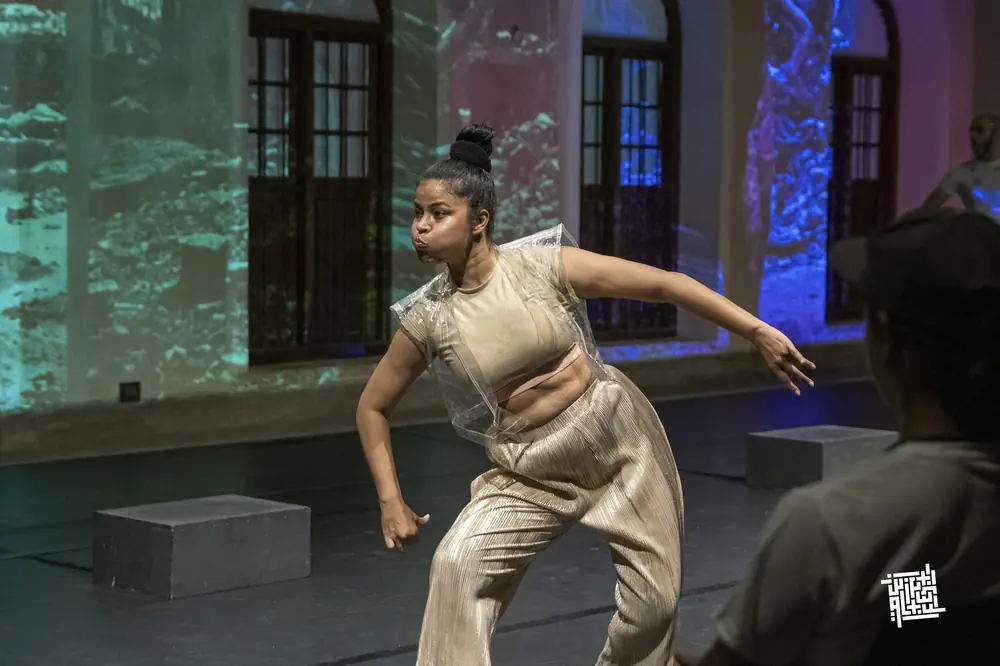
A dancer mid-movement in a dim hall
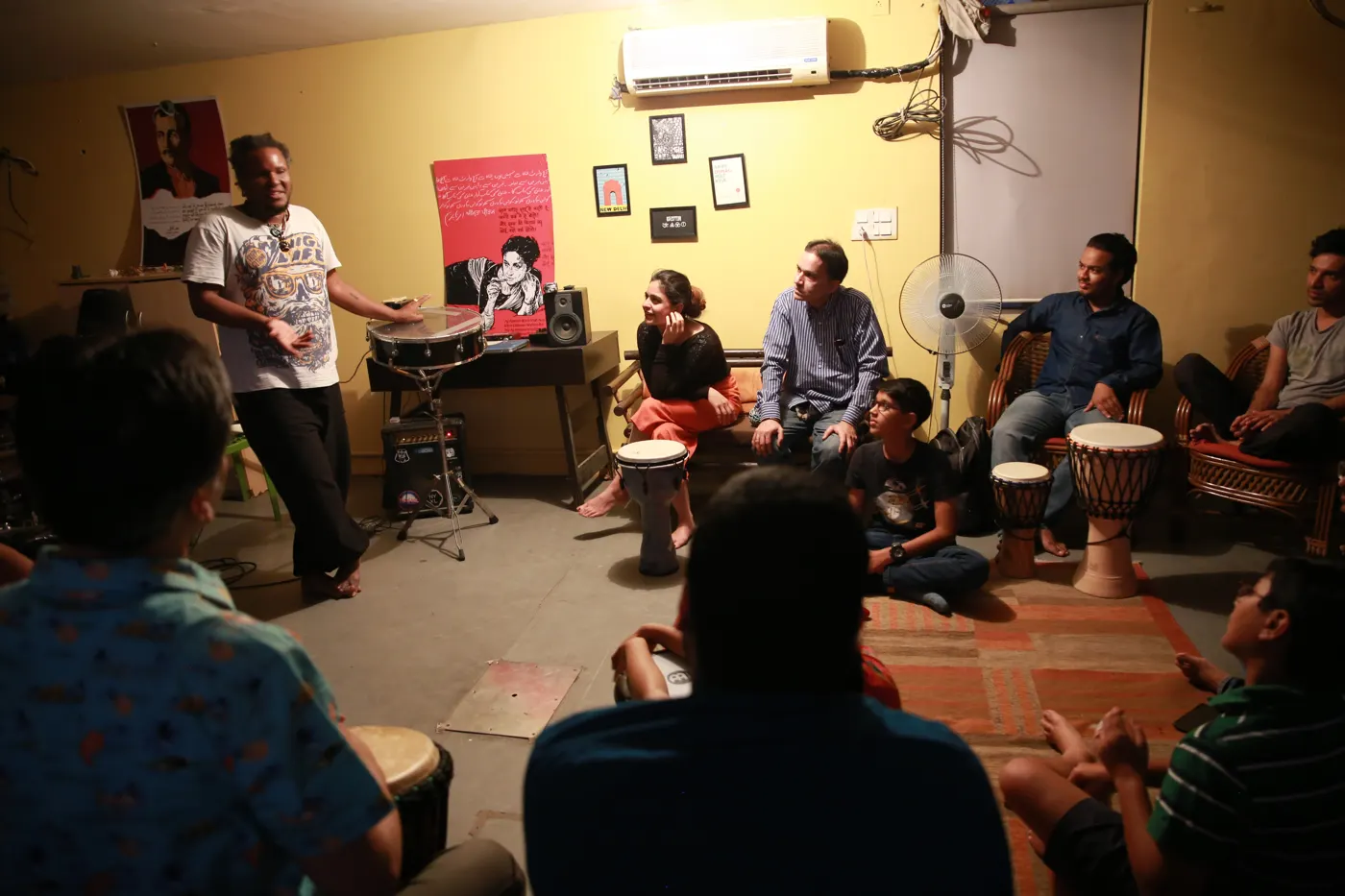
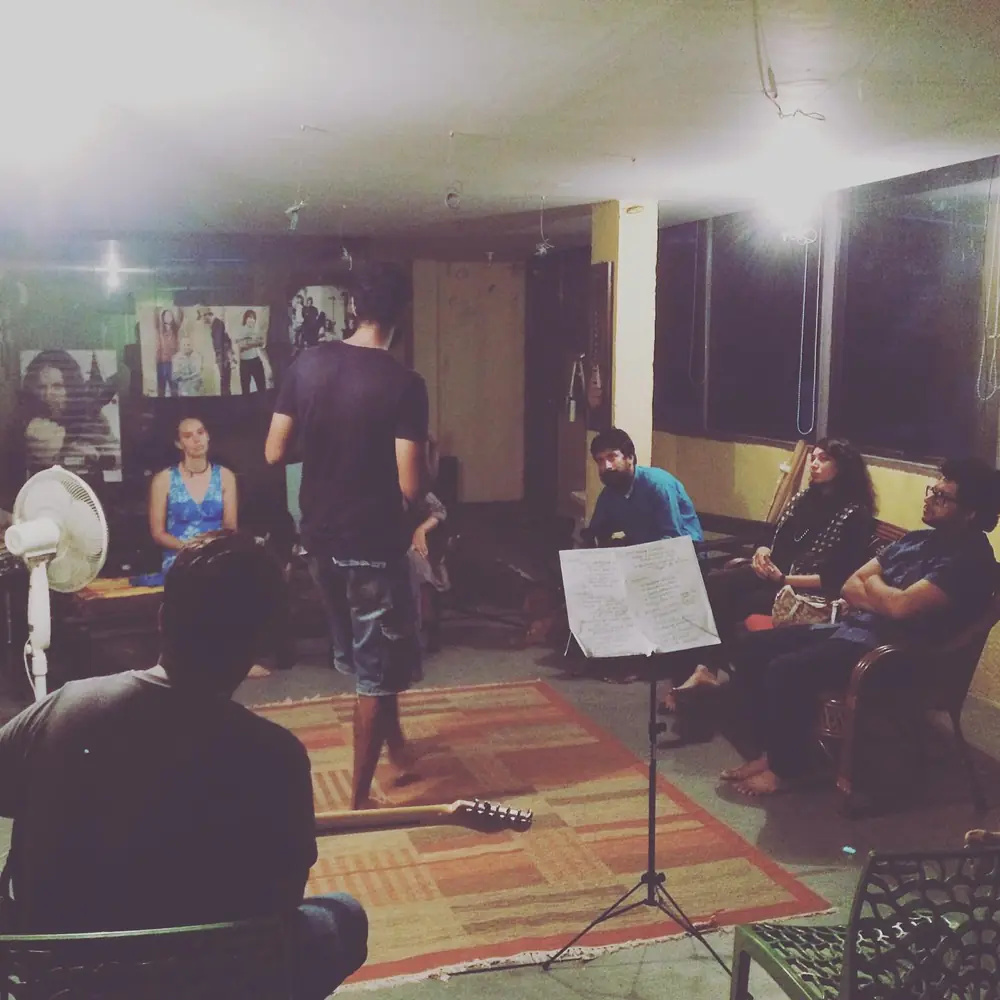
A movement session in a studio, participants seated around the room

Skills people build

  • Breath and pacing they can use before a hard conversation
  • Noticing stress in the body early, before it shows in their work
  • Short attention and listening practices that fit a working day
  • Making something by hand, start to finish, without a screen

Attitudes that shift

  • Pausing is part of performing well, not a break from it
  • Attention is a resource the team can protect together
  • A calmer relationship with being watched and judged
  • Rest can be planned, not only recovered from

Modules

Delivered run for a client Designed ready to run Pilot new, run first at a reduced fee

Grounded

Pilot
Discipline
Movement, Kalaripayattu, somatic practice
Duration
Half-day to 1 day
For
Teams in long, high-pressure stretches

Breath, weight and balance work, then simple partner exercises that show people how tension travels through a group. The session ends with a five-minute practice each person can run at their desk.

What we trackSelf-rated stress in three named work situations, before and at 30 days; use of the practice, reported in a short pulse.
Deep Listening

Designed
Discipline
Sound practice, ensemble music
Duration
Half-day to 1 day
For
Cross-functional teams

Sound practitioners train attention to what is actually heard, including silence and timing. Listening exercises lead into structured pair and group work where people restate each other's points before adding their own.

What we trackParaphrase accuracy at start and end; a team pulse question on feeling heard, before and 60 days after.

Making Together

Pilot
Discipline
Clay, bamboo, puppetry, visual art
Duration
Half-day to 1 day
For
Teams that have lost a shared sense of purpose

A team makes one object together with a master maker, by hand. Who leads, who waits and who rescues the work becomes visible, and the finished piece stays in the office as a reference point.

What we trackFacilitator observation of participation patterns; a team pulse on belonging at 60 days.

The Reset Residency

Pilot
Discipline
Movement, sound, food and landscape
Duration
3 to 5 days, away
For
Teams after a merger, restructure or rapid growth

Mornings of practice, afternoons applying it to the team's real working patterns, unstructured late afternoons, and evenings with working artists. It ends with team agreements on pace and recovery, written as behaviours.

What we trackThe agreements themselves, and how many are still in use at the 90-day review.

This is not therapy and not a wellness retreat. We work on attention and recovery habits in a group. Where a diagnosis shows clinical needs, we say so and point to the right professional help.

Precedent

  • World Health Organization

    More than 3,000 studies on the arts and health.

    Arts engagement is low-cost and multi-modal, which suits complex problems.

  • EPFL+ECAL Lab × Pro Senectute Vaud

    Design against loneliness.

    Design that starts from how people feel gets used.

All precedents

From our own work

Our movement, sound and making practitioners run W.I.P's festivals, the AutumnSKUL residency in the Kangra Valley, and W.I.P aDDa in Delhi.

Talk to us about well-being Often paired with a residency.

02 · Mindful AI and technology

Use the tools. Keep the judgement.

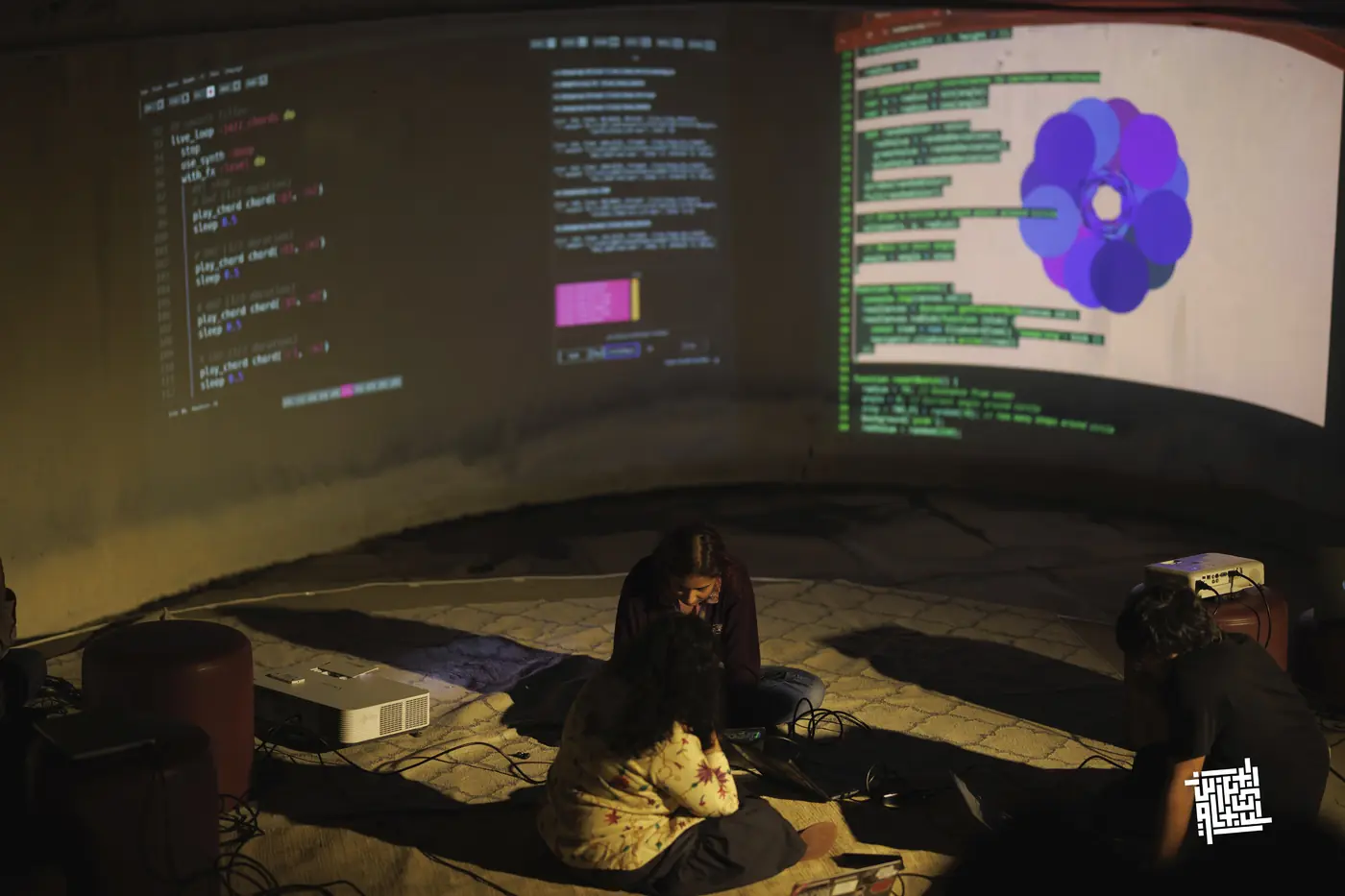
Teams are adopting generative AI faster than they are agreeing how to use it. The risk is quiet: drafts nobody owns, a house voice that sounds like everyone else's, and decisions handed to a system nobody questioned. Artists who work with code, sound and generative systems have been dealing with this for years. Our live coders, sound designers and writers bring that practice to your teams, as hands-on skill and as a change in attitude.

  • Teams adopting GenAI
  • Product and innovation
  • Marketing and content
  • Leadership teams setting AI policy
A live coding performance, code projected on the wall above the performer
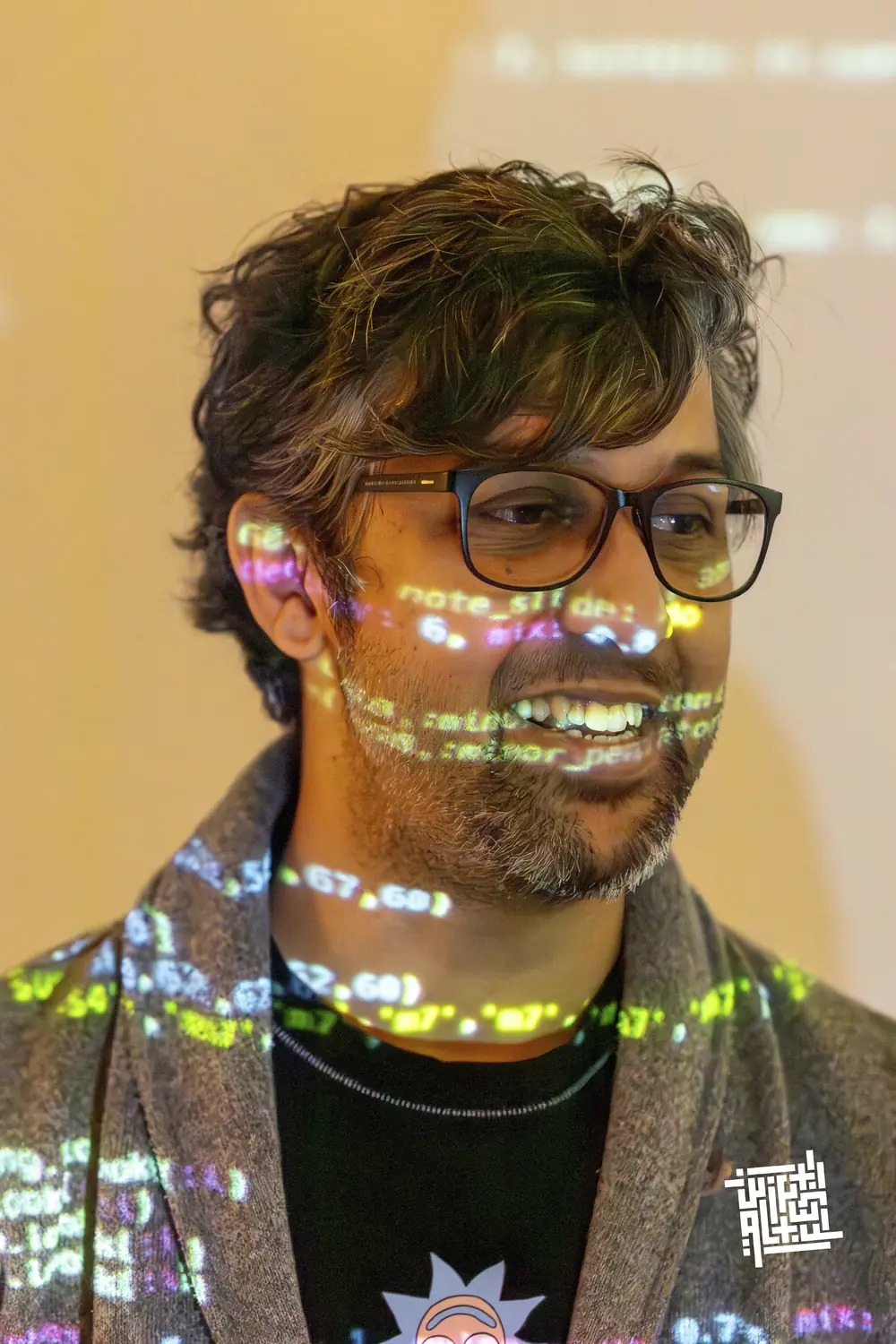
A face lit by projected code
  • Art

    Authorship

    Artists know where their own voice lives in a piece of work, and when a tool has taken over.

  • Technology

    Making with code

    Creative coding turns software into something you shape by hand, with immediate feedback.

  • Culture

    House voice

    Every organisation has a way it sounds and decides. AI can flatten it or carry it.

Skills people build

  • Prototyping an idea in code in an afternoon, with tools such as p5.js and Strudel
  • Treating AI output as a draft to critique, not an answer to accept
  • Giving a generative tool clear constraints, then judging what came back
  • Writing a team norm: where AI helps, where a person must decide

Attitudes that shift

  • Curiosity about the tools instead of fear or blind enthusiasm
  • Ownership: my name on it means my judgement is in it
  • Comfort with ambiguity and with early, rough versions
  • Knowing which parts of the work carry the organisation's voice

Modules

Delivered run for a client Designed ready to run Pilot new, run first at a reduced fee

Sound and Creative Coding Lab

Delivered
Discipline
Sound design, creative coding
Duration
2 to 3 days
For
Innovation and product teams, graduate cohorts

Deep listening, then modelling a real system in sound, then rapid prototypes in Processing, p5.js and Strudel, ending in a showing. Adapted from the three-day lab we ran at a leading Indian business school.

What we trackNumber and range of prototypes; a before-and-after self-assessment of comfort with ambiguity.

Human in the Loop

Pilot
Discipline
Live coding, algorithmic music
Duration
1 day
For
Teams building AI into their workflows

Live coders make music by writing code in real time, deciding second by second when to let the system run and when to step in. Teams learn the basics and play together, then map the same decisions onto one of their own AI-assisted processes.

What we trackA written set of intervention rules for the chosen process, and whether the team still uses it at 60 days.

Authorship and AI

Pilot
Discipline
Writing and sound practice
Duration
Half-day
For
Teams producing content, reports or proposals

Participants make the same piece of work with and without AI tools, then critique what was gained and what was lost. Writers and sound artists show how they keep their voice when they work with generative tools.

What we trackA team norm on where human judgement is required, written in the session; adoption checked at 60 days.

The Culture Brief

Pilot
Discipline
Artists working with generative systems
Duration
Half-day
For
Leadership teams setting AI direction

Leaders see and discuss work by artists who use generative systems, then name what their own organisation's voice and judgement consist of. The output is a short brief that sits alongside your AI policy and says what must stay human.

What we trackThe brief itself, and how it is used in the next AI decision the team makes.

Pilot modules are new designs built on our artists' existing practice. We run them first with a small group at a reduced fee and share the results with you before scaling.

Precedent

  • Stanford University × Yamaha

    A composer in an AI lab changed the sound of pop music.

    The licence earned Stanford more than $20 million, its second most lucrative ever at the time.

  • MIT Media Lab, Opera of the Future

    Instruments built for musicians became a games industry.

    Research led by an artistic question produced products, companies and new forms of participation.

All precedents

From our own work

W.I.P ran a three-day Sound and Creative Coding Lab at a leading Indian business school, and programmes live coding at W.I.P alt.FEST.

Talk to us about AI and technology

03 · Leadership and presence

Hold a room. Pass the lead. Make strategy repeatable.

Senior people are skilled at giving the right answer in a discussion. In rehearsal, the right answer doesn't help; only the behaviour does. Directors, voice and movement practitioners, musicians and filmmakers work on how leaders sound, stand, listen and tell the story of where the organisation is going.

  • New and mid-level leaders
  • Senior leadership teams
  • Leadership development cohorts
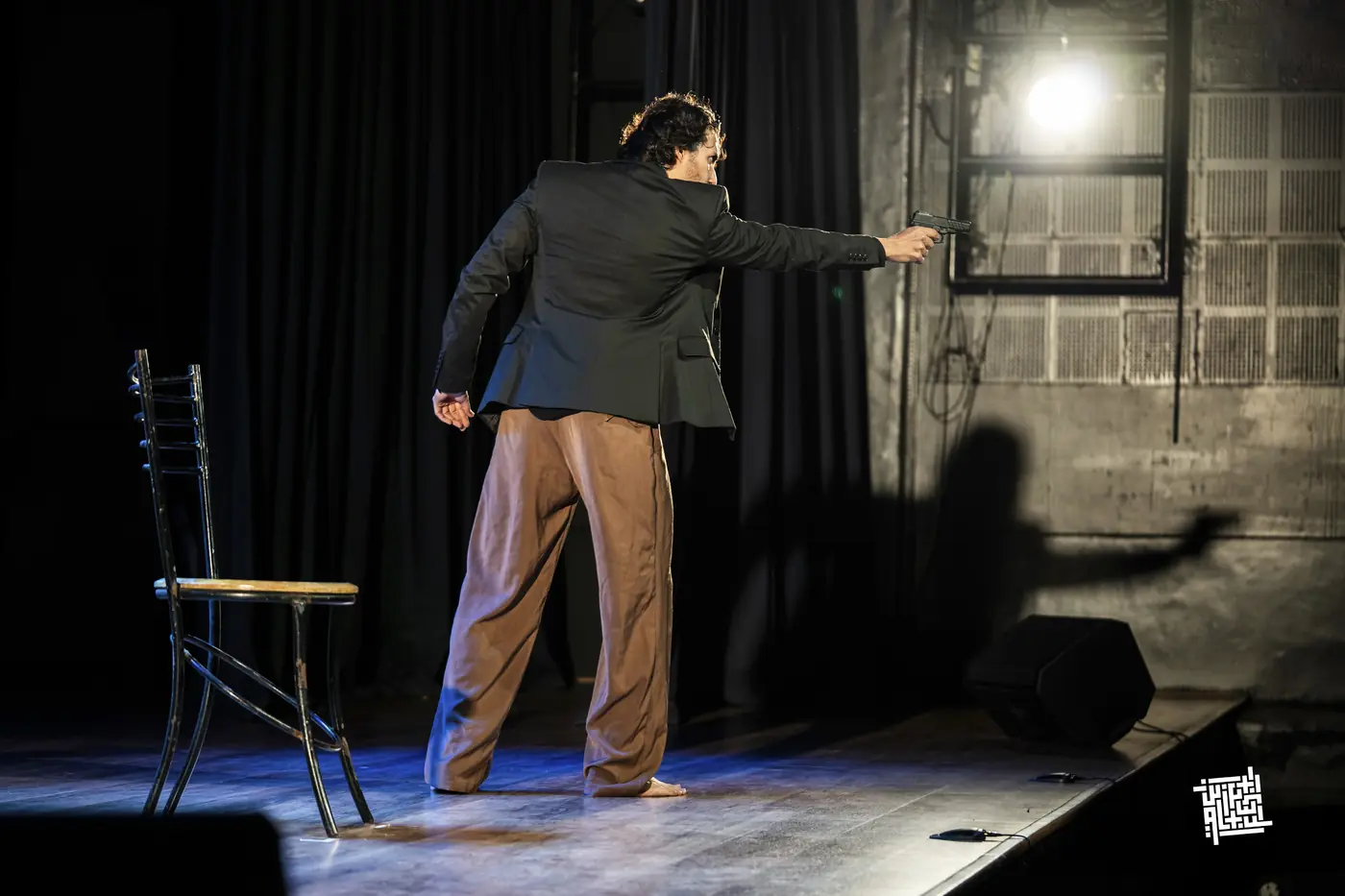
A performer alone on a dark stage under a single lamp
Two performers in close conversation, smiling

Skills people build

  • Steady pace, audible voice and grounded posture in high-stakes moments
  • Handing over the lead deliberately in a meeting
  • Shaping strategy into a story people can repeat accurately
  • Starting hard conversations earlier, with more than one way in

Attitudes that shift

  • Seniority creates space rather than filling it
  • Presence is practised, not a personality trait
  • Difficult conversations are a skill to rehearse, not avoid

Modules

Delivered run for a client Designed ready to run Pilot new, run first at a reduced fee

Holding the Room

Designed
Discipline
Voice, movement, theatre
Duration
1 to 2 days
For
New and mid-level leaders

Voice work and status exercises, then a rehearsal of a real moment coming up: a town hall, a board update, a difficult announcement.

What we trackA short talk on video at start and end, rated against a simple rubric; peer feedback from the real event.

Leading in Ensemble

Designed
Discipline
Music improvisation
Duration
1 day
For
Leadership teams

In ensemble improvisation nobody can hold the music alone. Structured exercises make leading, following and handover explicit, then the team debriefs against its own meeting habits.

What we trackA Floor Audit of a real leadership meeting before and after.

Narrative Leadership

Designed
Discipline
Storytelling, film
Duration
1 to 2 days
For
Senior leaders

Leaders find the story in their strategy, then tell it and are coached through several runs by storytellers and filmmakers.

What we trackHow accurately teams restate the message two weeks later.

The Difficult Scene

Designed
Discipline
Forum theatre
Duration
1 day
For
Managers

A realistic scene from your context is played, stopped, and replayed with a different move. Options are tested, not discussed.

What we trackSelf-reported avoided conversations before and after; direct-report feedback at 90 days.

Precedent

  • RADA Business, London

    A drama school's methods in boardrooms.

    Presence and communication can be trained the way actors train them.

  • The Music Paradigm

    Executives sit inside a working orchestra.

    Leadership becomes visible when you sit inside the ensemble.

All precedents

From our own work

Our theatre, voice and film faculty includes a Sangeet Natak Akademi awardee and a National Award-winning filmmaker.

Talk to us about leadership For top teams, see Leadership Studio.

04 · Inclusion and voice

Behaviour, not blame.

Awareness training tells people what they already know. The everyday patterns that shape inclusion (who interrupts whom, whose idea gets credited, who is quietly protected from difficult assignments) are automatic. In male-majority workplaces they are nearly invisible to the people who benefit from them. Theatre, movement and live observation let a room see its own patterns, without anyone being accused and without asking the few women in the room to testify.

  • DEI leaders
  • Women in male-majority roles
  • Mixed-gender teams and their managers
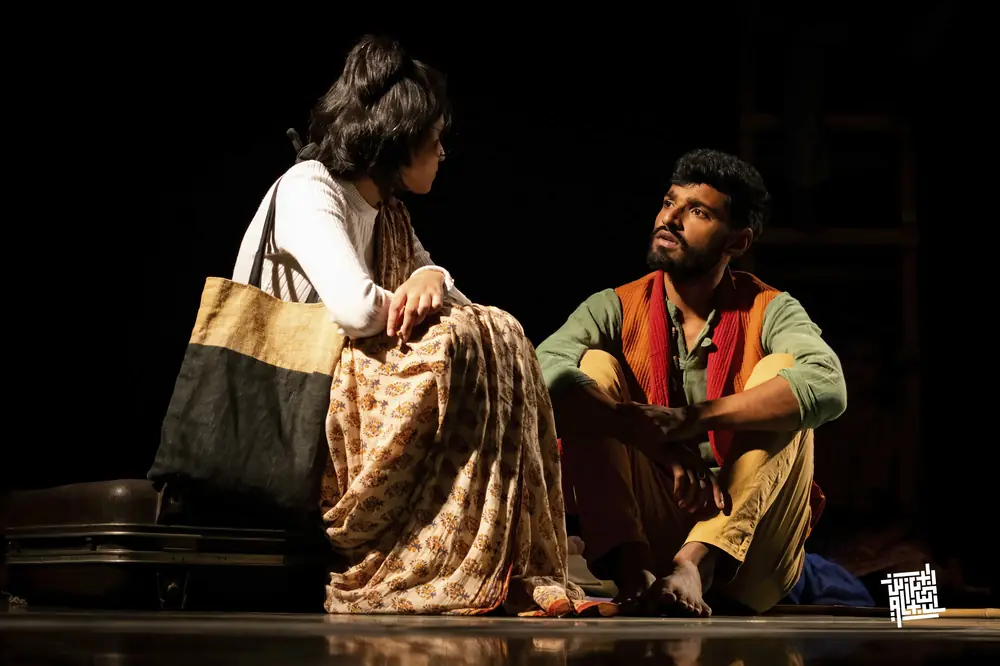
Two actors seated on stage in a scene
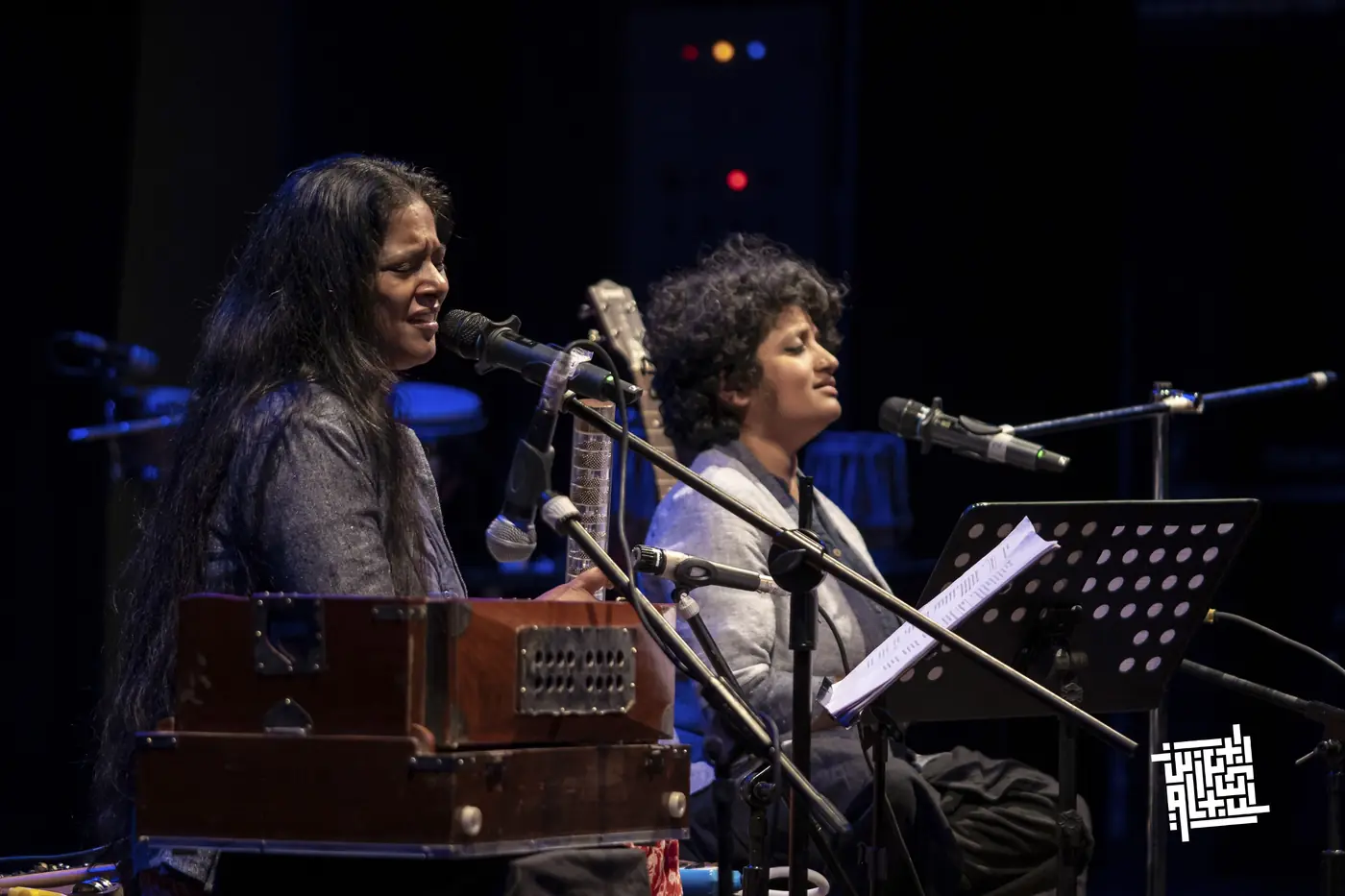
Two women singing at microphones

Skills people build

  • Clearer boundary-setting with colleagues and customers
  • A stronger voice in meetings, practised in real scenarios
  • Noticing and redistributing airtime and roles
  • Giving the same feedback well to different colleagues

Attitudes that shift

  • From fixing the people who are excluded to changing what everyone does
  • Speaking up, not only staying composed
  • Inclusion as a daily practice, not an annual session

Modules

Delivered run for a client Designed ready to run Pilot new, run first at a reduced fee

Voice and Agency

Delivered
Discipline
Physical theatre, vocal practice
Duration
2 days
For
Women in male-majority roles

Voice and body work, scenes built from participants' everyday interactions, rehearsal of assertive responses, and a peer support structure that continues after the programme. Delivered for women professionals at a large FMCG conglomerate.

What we trackBefore-and-after self-assessment on named situations; participation in team meetings at 60 days.

The Floor

Designed
Discipline
Forum theatre, rhythm, live observation
Duration
2 days, a week apart
For
Mixed-gender frontline teams and managers

Day one uses the Floor Audit and Nine Seconds to show the room its own patterns. Participants carry three observation prompts through a normal working week. Day two rebuilds real scenes from what they saw, rehearses alternatives, and logs commitments with HR.

What we trackAirtime spot audits in regular meetings; assignment distribution over a quarter; commitments completed at 90 days.

The Ground You Stand On

Designed
Discipline
Theatre, movement, visual mapping
Duration
1 day
For
Senior managers

Policy changes at the top, but culture changes in the middle, where unit heads decide who gets stretch assignments. The morning makes structural advantage physical through movement; the afternoon maps access in each manager's own team and rehearses an equitable meeting.

What we trackThe commitment log, one named person each manager sponsors for 90 days, and a follow-up Floor Audit in one of their meetings.

A module for all-male cohorts

In development
Discipline
To be cast at Diagnose
Duration
To be scoped
For
All-male teams

In development. Scope is set at the Diagnose stage.

What we trackSet at Diagnose.

Our design rules for this work: women are never made the evidence; data comes from observed behaviour; a separate women's caucus controls what reaches the main room; facilitation is always co-led by practitioners of different genders, so the room sees the dynamic it is working towards.

Precedent

  • IFAD (United Nations)

    Forum theatre on unconscious gender bias.

    People rehearse a better response before they need it.

  • WZB Berlin review

    What 268 studies say, and what they miss.

    They found success criteria were rarely set in advance. We do that first.

All precedents

From our own work

Two-day programmes for women professionals at a large FMCG conglomerate, followed by a mixed-gender design.

Talk to us about inclusion See the flagship case below.

05 · Teams and generations

Teams that actually listen to each other.

Four generations, three working styles and two offices make for meetings full of sequential monologues. Friction between managers and younger employees is usually misread as attitude; it is a collision of mental models. Musicians know this problem well: an ensemble only works when people listen while they play. We use music, sound and collective making to work on how teams think, decide and belong together.

  • Cross-functional teams
  • Managers with Gen Z teams
  • Whole sites and business units
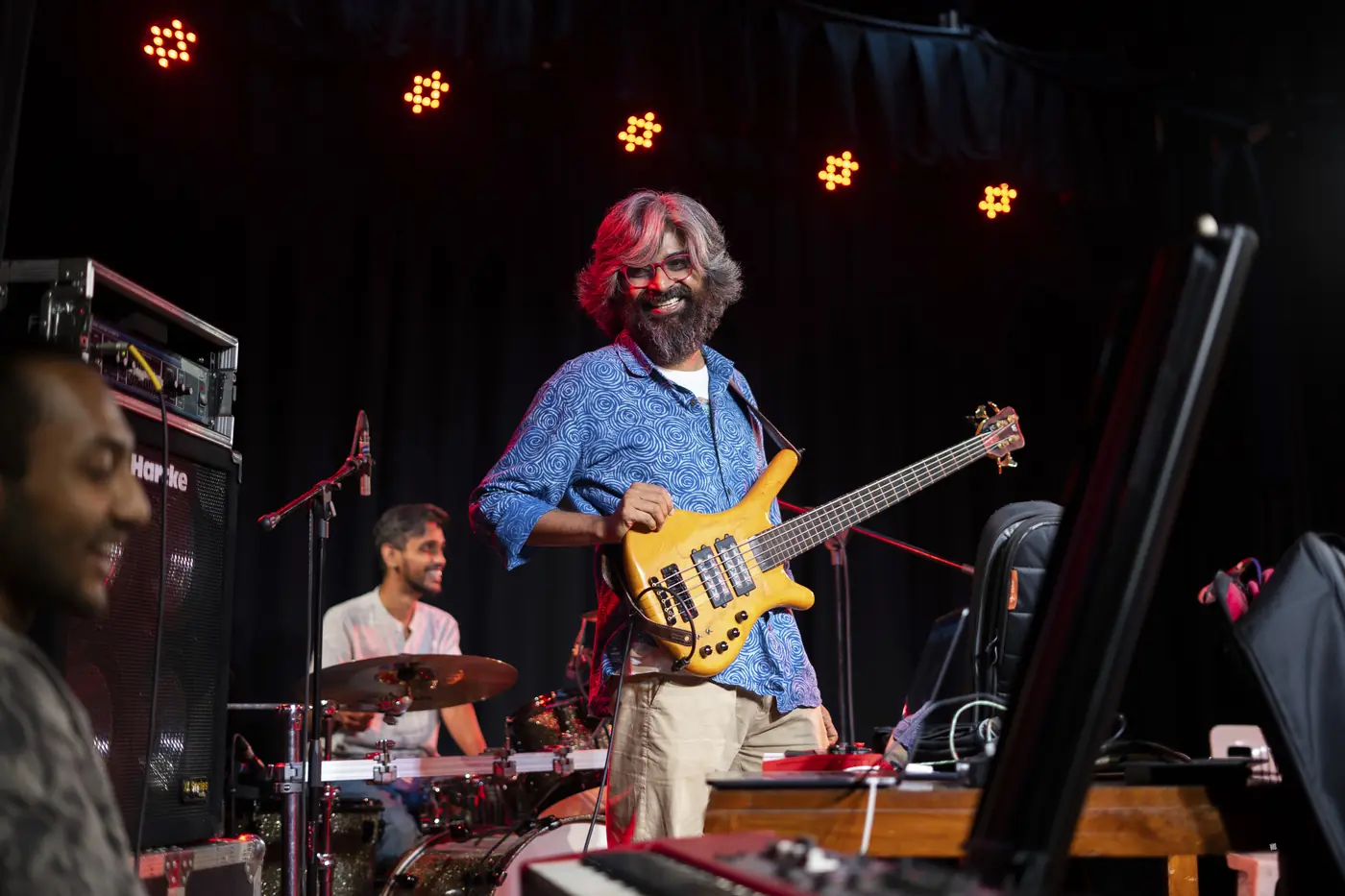
A band on stage, the bassist mid-song
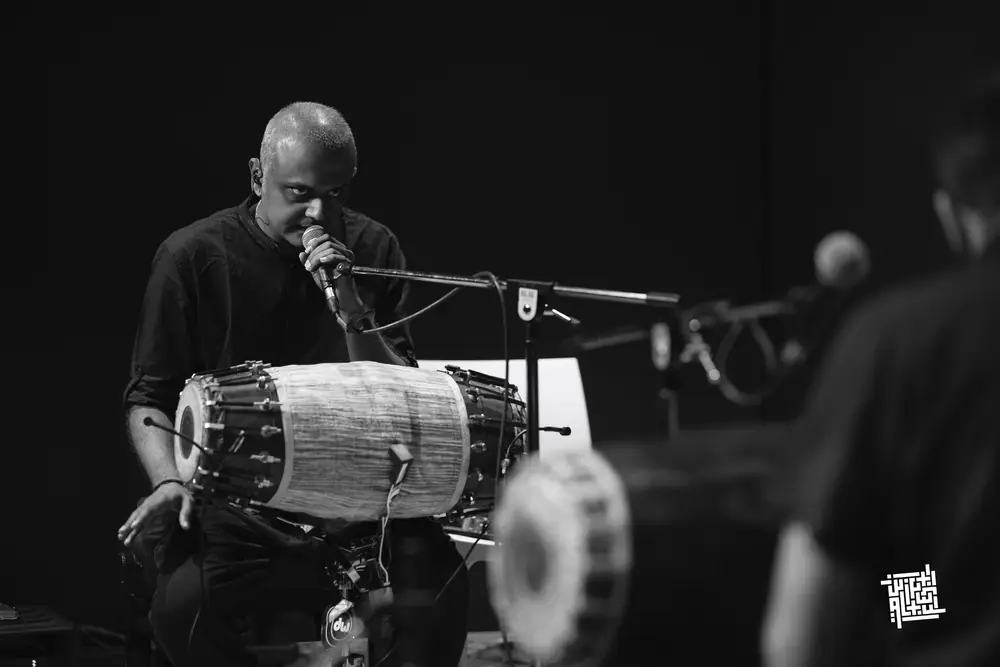
A percussionist playing in a darkened room

Skills people build

  • Building on others' ideas instead of waiting to speak
  • Translating between working styles across age groups
  • Exploring several options before converging on the first safe one

Attitudes that shift

  • Difference in style is information, not friction
  • Everyone contributes to the result, not only the loudest
  • A shared reason for the team to exist

Six tensions we often hear across generations

These are tensions teams describe to us, not traits of any age group. The diagnosis decides which, if any, apply to your team.

  • Authority is earned, not assumedManagers who explain their reasoning earn loyalty. Managers who invoke rank lose the room.
  • Work must have meaning“Why does this matter?” is a reasonable question, not a complaint.
  • Feedback is continuousFor some colleagues, silence from a manager reads as a problem, not as “all is well”.
  • Boundaries are a valueThe task is channelling performance within boundaries, not removing them.
  • They need to see a futureWithout a visible path or a role model, people leave, often as strategy rather than disloyalty.
  • Different, not worseVoice notes and short messages are a style, not a lapse in professionalism.

Modules

Delivered run for a client Designed ready to run Pilot new, run first at a reduced fee

The Company Song

Delivered
Discipline
Mass songwriting and performance
Duration
Half-day to 1 day, up to several hundred people
For
Whole sites or business units

Section-by-section songwriting, rehearsal, and a company-wide performance. Delivered in an aircraft hangar for a global life-sciences technology company. HR receives the patterns observed in the room, never notes on individuals. Participation in the performance is by invitation.

What we trackParticipation rate; how HR uses the participation patterns.

Different Frequencies

Designed
Discipline
Ensemble music, playback theatre, improvisation
Duration
1 to 2 days
For
Mixed cohorts of managers and Gen Z employees, 25 to 40

Both sides tell their stories in separate groups first. Playback theatre performs a manager's frustration from the younger employee's view, and the reverse, so nobody has to defend themselves. The group then makes music across its different rhythms and agrees a manager toolkit for the most common friction points.

What we trackA short pulse on cross-generation trust before and at 60 days; use of the toolkit.

Leading Across Difference

Designed
Discipline
Playback and forum theatre, storytelling
Duration
1 to 2 days
For
Managers only, 20 to 30

Without their teams in the room, managers can be honest about frustration. They test their hardest situations against the six patterns and rehearse the conversations until new responses feel usable. Each leaves with a personal communication card and two behaviour changes shared with a peer.

What we trackThe two behaviour changes, checked with the peer at 30 days.

Think in Sound

Pilot
Discipline
Improvisation, devising
Duration
1 day
For
Teams whose ideas die early

Improvisation and devising exercises that reward building on an offer. The team applies them to a live problem and generates options before choosing.

What we trackNumber of options generated on the live problem compared with the team's usual process.

Precedent

  • Orpheus Chamber Orchestra, New York

    An orchestra with no conductor.

    Shared, rotating leadership is a practice, not a slogan.

  • AIRIS, Sweden

    Artists in residence inside ordinary companies.

    It works when both sides commit, and effects need to be measured, not assumed.

All precedents

From our own work

A mass songwriting workshop in an aircraft hangar for a global life-sciences technology company, ending in a performance by the whole workforce.

Talk to us about your team

06 · Sales and the pitch

Bring the real pitch. We'll rehearse it until it survives the room.

Theatre rehearsal is a method for turning material into a performance that holds under pressure. Improvisation trains the one move every objection needs: accept the unexpected offer and build on it. Both are taught by directors and improvisers who do this for a living.

Both sales modules are designed and ready to run; neither has yet been delivered for a client.

  • Pitch and bid teams
  • Sales and client-facing teams
  • Founders before a raise
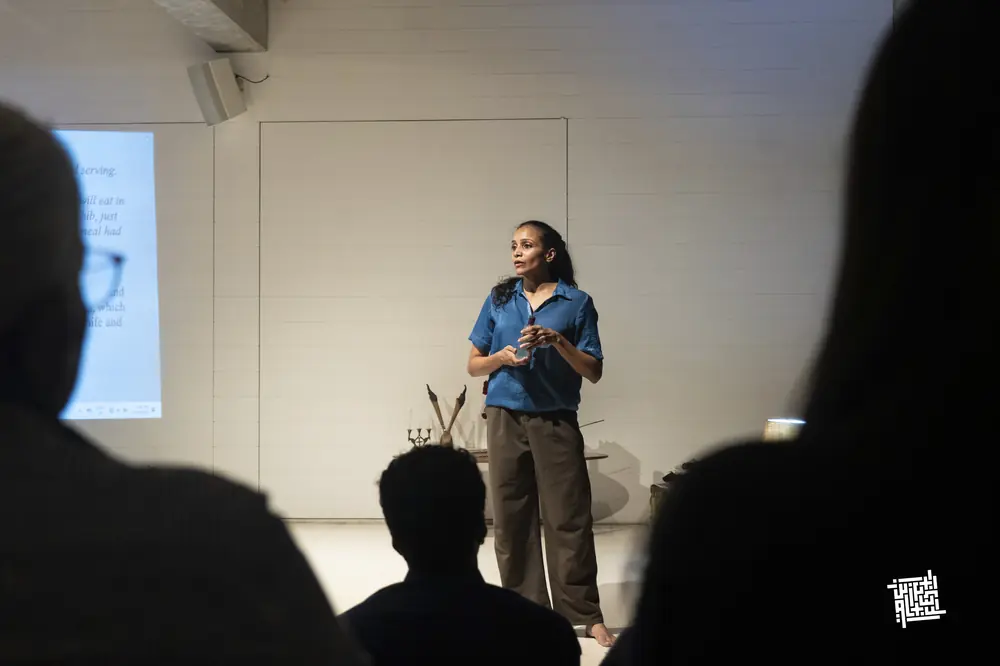
A speaker presenting to a seated audience
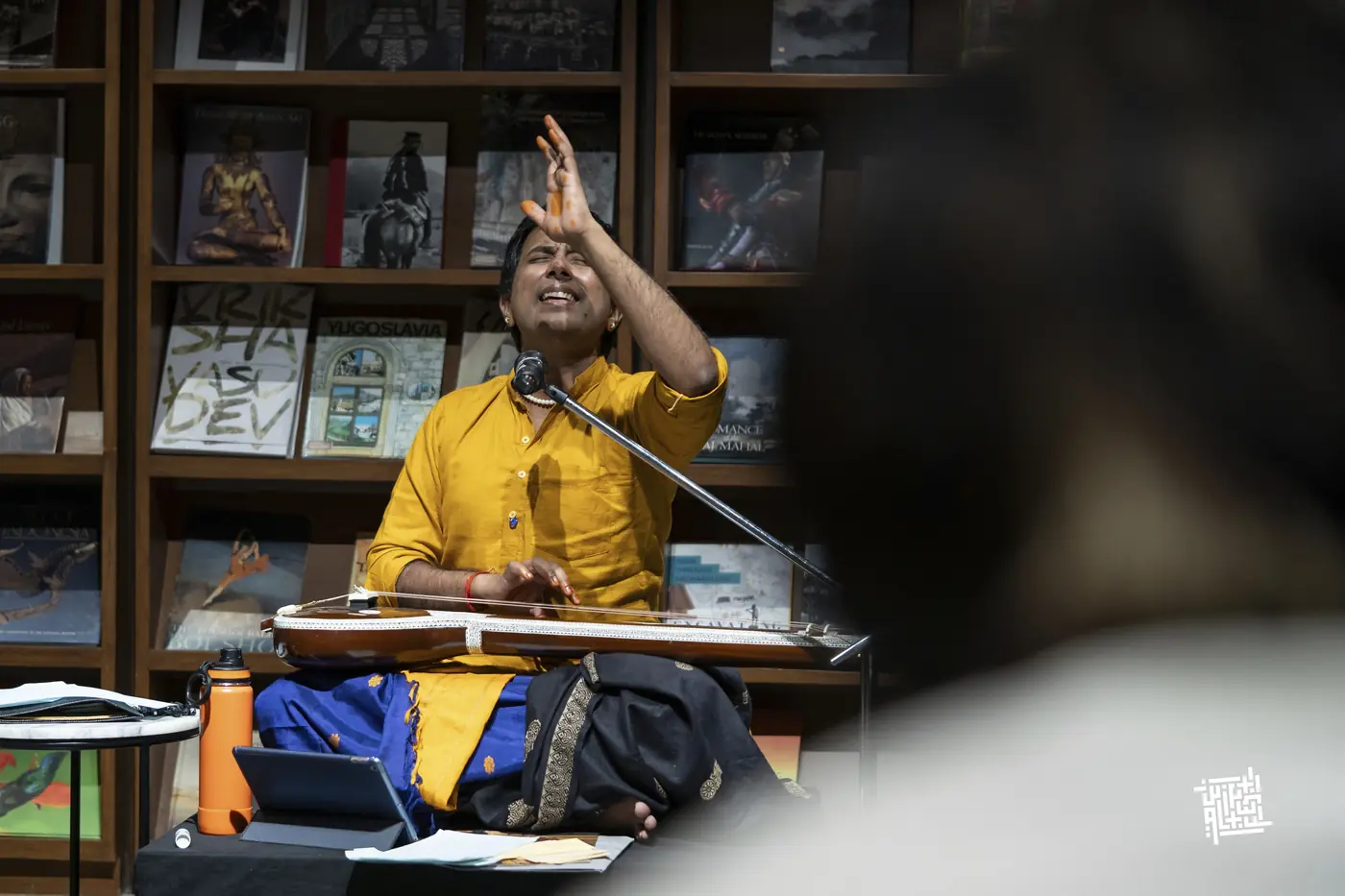
A performer at a bookshop reading, hand raised

Skills people build

  • Clean handovers, controlled pace and timing against the slot
  • Recovering from an interruption without losing the thread
  • Shorter, clearer answers to objections

Attitudes that shift

  • The pitch is a performance worth rehearsing, not just a deck
  • An objection is an offer to respond to, not an attack
  • Listening for intent before answering

Modules

Delivered run for a client Designed ready to run Pilot new, run first at a reduced fee

The Pitch Rehearsal

Designed
Discipline
Theatre rehearsal practice
Duration
1 day, or 2 half-days before a live pitch
For
Pitch and bid teams

The team runs its real pitch, takes notes from a director, and runs it again. A technical rehearsal covers handovers, clickers and what happens when something fails.

What we trackTimed run against the slot; handover stumbles from first to final run; the pitch result, reported by you.

Objection Room

Designed
Discipline
Improvisation
Duration
Half-day to 1 day
For
Sales and client-facing teams

Improvisation fundamentals, then escalating role-play using your team's real objections, collected at Diagnose.

What we trackFacilitator-coded responses across the day; manager observation of two live calls at 30 days.

Precedent

  • RADA Business, London

    A drama school's methods in boardrooms.

    Presence and communication can be trained the way actors train them.

All precedents

From our own work

Directors and improvisers from our theatre faculty run The Pitch Rehearsal on your real material.

Book a pitch rehearsal Women in field sales: see Voice and Agency.

Art is the wrong tool for skills gaps, process failures or policy questions. If a diagnosis points there, we will say so.

Recognise one of these behaviours in your own teams?

Tell us the behaviour in three lines. We'll reply with whether art is the right tool for it, and if it isn't, what is.

Describe your problem Download the brochure (PDF, 4 MB)

Three ways to bring us in.

Any programme area can run in any format. Most organisations start with an Intervention on their own turf. Residencies are for when a team needs distance from the office's routines to see its own patterns.

Start here

Interventions

A focused programme on one diagnosed behaviour.

Length
Half-day to 2 days, optionally split by an observation week
Group
12 to 30 per facilitation team; larger in pods
Where
Your site or W.I.P aDDa, Delhi
For
L&D, DEI and sales leaders

Away from the office

Residencies

A team leaves the workplace for an artistic environment built around its brief.

Length
3 to 5 days
Group
12 to 30
Where
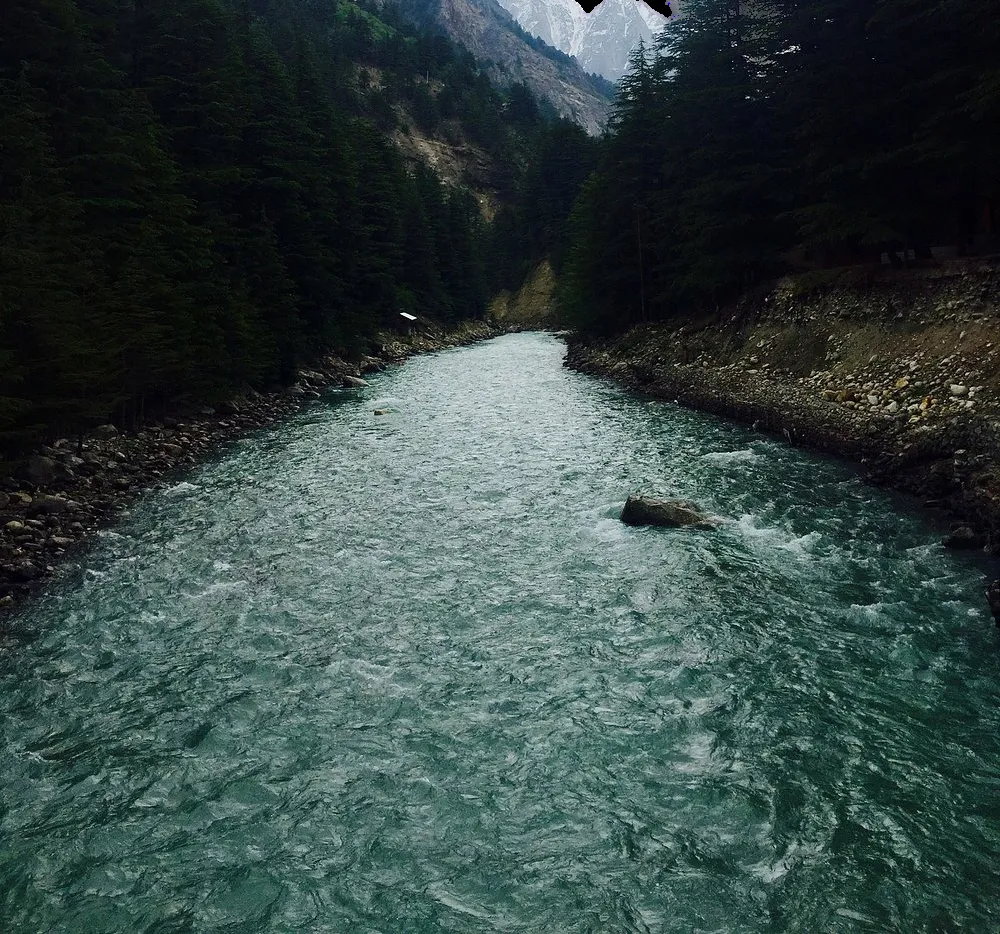
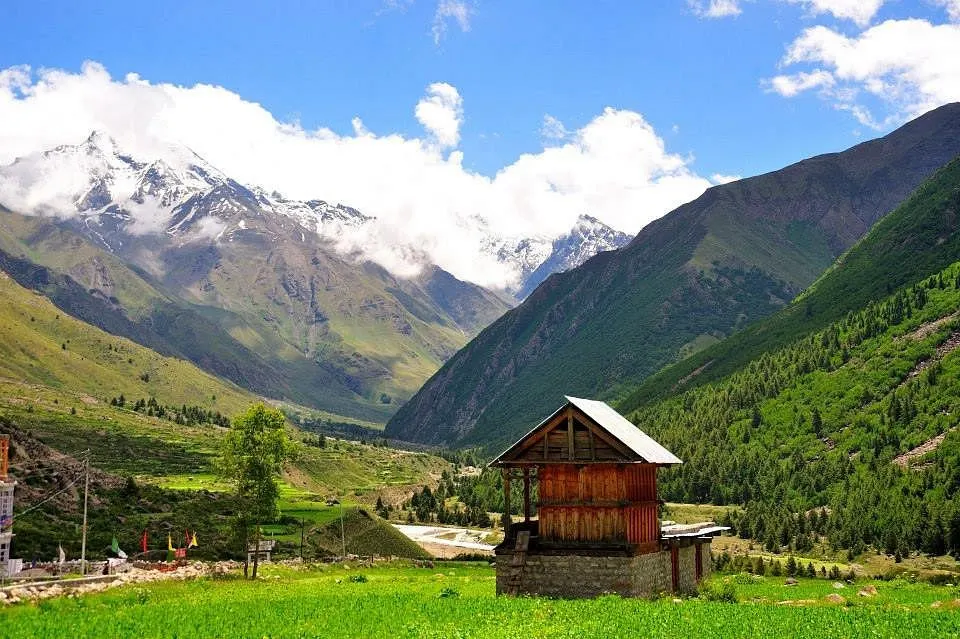
Venues in the Himalayas and beyond, chosen per brief
For
Culture heads; teams after change

For the top team

Leadership Studio

Senior teams working with senior artists, including international faculty, on how the top table actually runs.

Length
2 to 3 days, often residential, plus follow-up
Group
6 to 16
Where
Residential or private studio
For
CHRO, CEO, leadership development
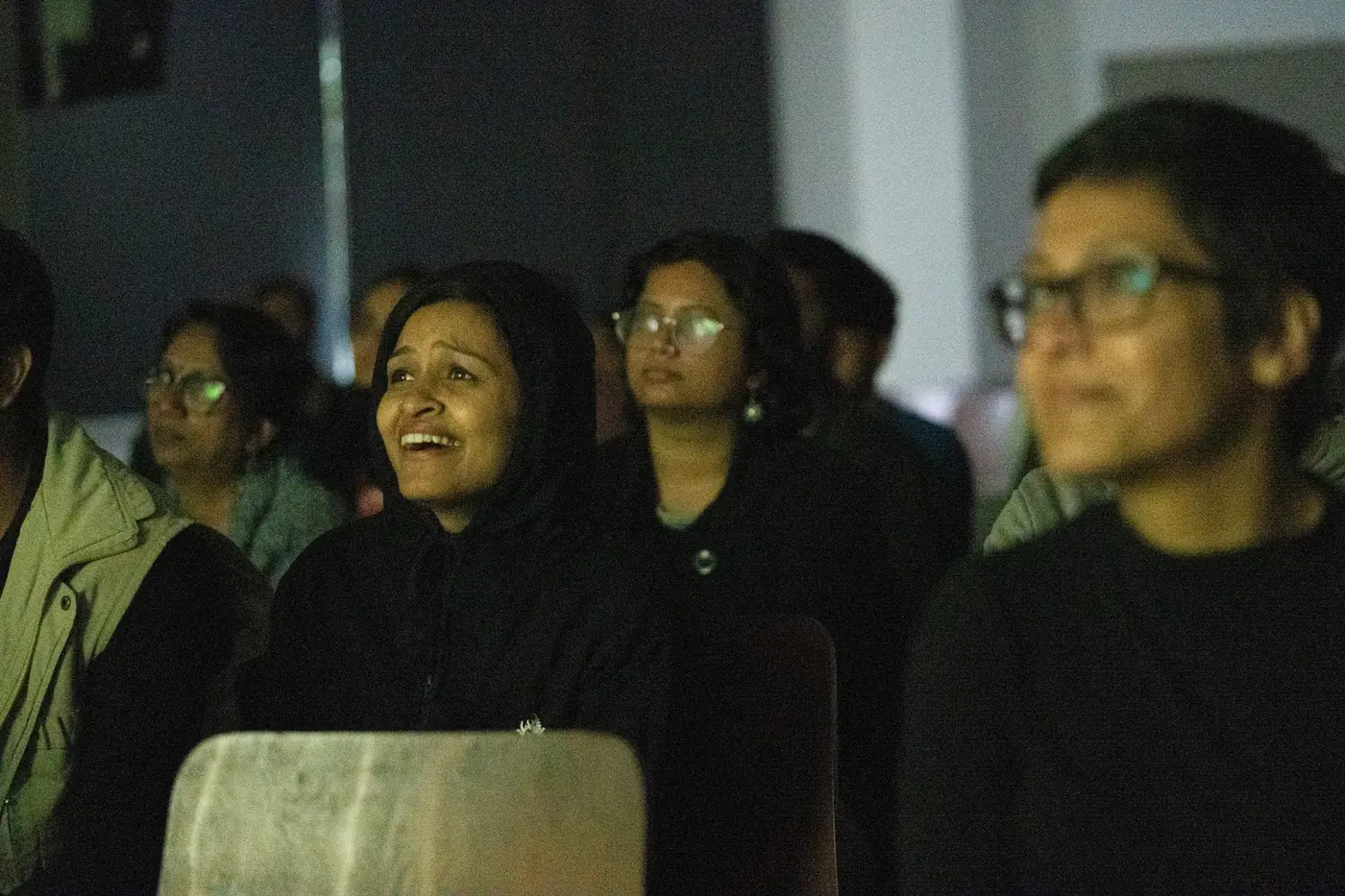
An audience watching a session in a dim room

In-office

  • In your office or a nearby space
  • No travel or logistics to coordinate
  • We adapt the creative environment to your setting
  • Ideal for first engagements and ongoing modules
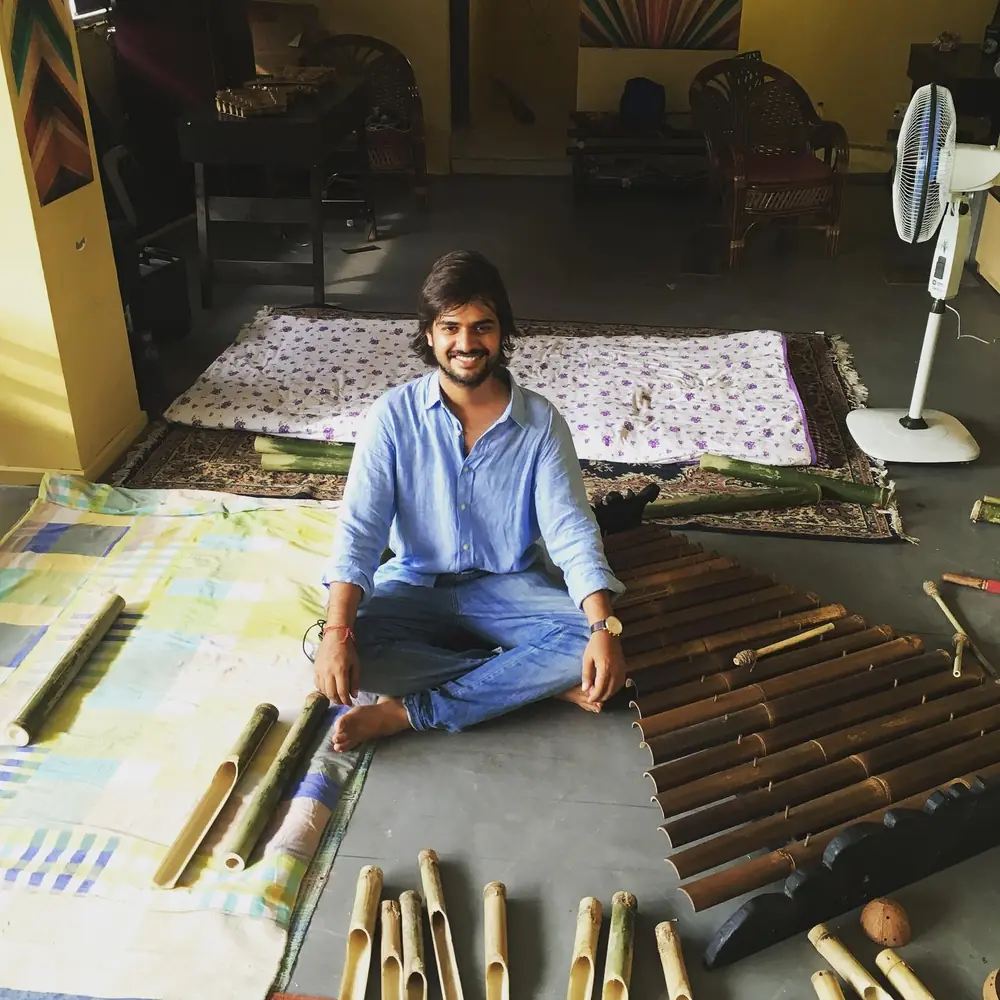
An instrument maker seated among bamboo instruments laid out on the floor

Outbound

  • A scenic, off-grid location chosen for your brief and budget
  • W.I.P handles travel, stay, food and beverage
  • Work happens in spaces set up for artistic practice
  • Best for intensive or multi-day programmes

A residency, not a resort.

One question, one lead discipline, one real decision. The team brings a live question it has to decide. The days repeat a pattern, because repetition is where behaviour changes. Scenery alone does not do that.

Mornings

Three hours of practice in the lead discipline, building across the days.

Afternoons

The same practice applied to the team's real material.

Late day

Unstructured time: walks and rest. Part of the design.

Evenings

Time with working artists: an intimate performance, a listening session, a meal built around a chef's practice.

After

A Review session at 30 to 90 days against the agreed indicators.

  1. WarmArrival, agreements, a first session together.
  2. WobbleThe team sees how it actually talks and decides.
  3. WorkPractising the alternative, with notes.
  4. ApplyWorking the real question under new norms.
  5. Walk-outA charter written as behaviours, and a date for review.

Where we take teams

Venues are chosen for each client's brief, group size and budget, from Himalayan mountain lodges to heritage palaces and luxury resorts. W.I.P handles travel, stay, food and beverage. We are not tied to any one property; these are the kinds of places we work in.

  • Mountain lodges

    Banjara Experiences

    Himachal Pradesh

    Lodges and retreats in less-visited Himachal valleys, including the Banjara Valley Retreat in an apple orchard on the Baspa river in Sangla.

  • Heritage boutique

    Brij Hotels

    Rajasthan, Himachal Pradesh, Uttarakhand

    Restored heritage properties, among them Brij Lakshman Sagar, a 19th-century hunting lodge by a lake in Pali, Rajasthan.

  • Luxury

    Wildflower Hall, an Oberoi resort

    Near Shimla

    A former Lord Kitchener estate at 8,250 feet in cedar and pine forest, suited to small executive retreats.

  • Luxury

    Ananda in the Himalayas

    Near Rishikesh

    A destination spa resort in the Himalayan foothills.

Around the work

Hosts who shape the time between sessions: meals and walks. They host the environment; they are not learning faculty.

  • Udit Maheshwari

    Chef and food researcher working at the intersection of culture and cuisine.

  • Kush Sethi

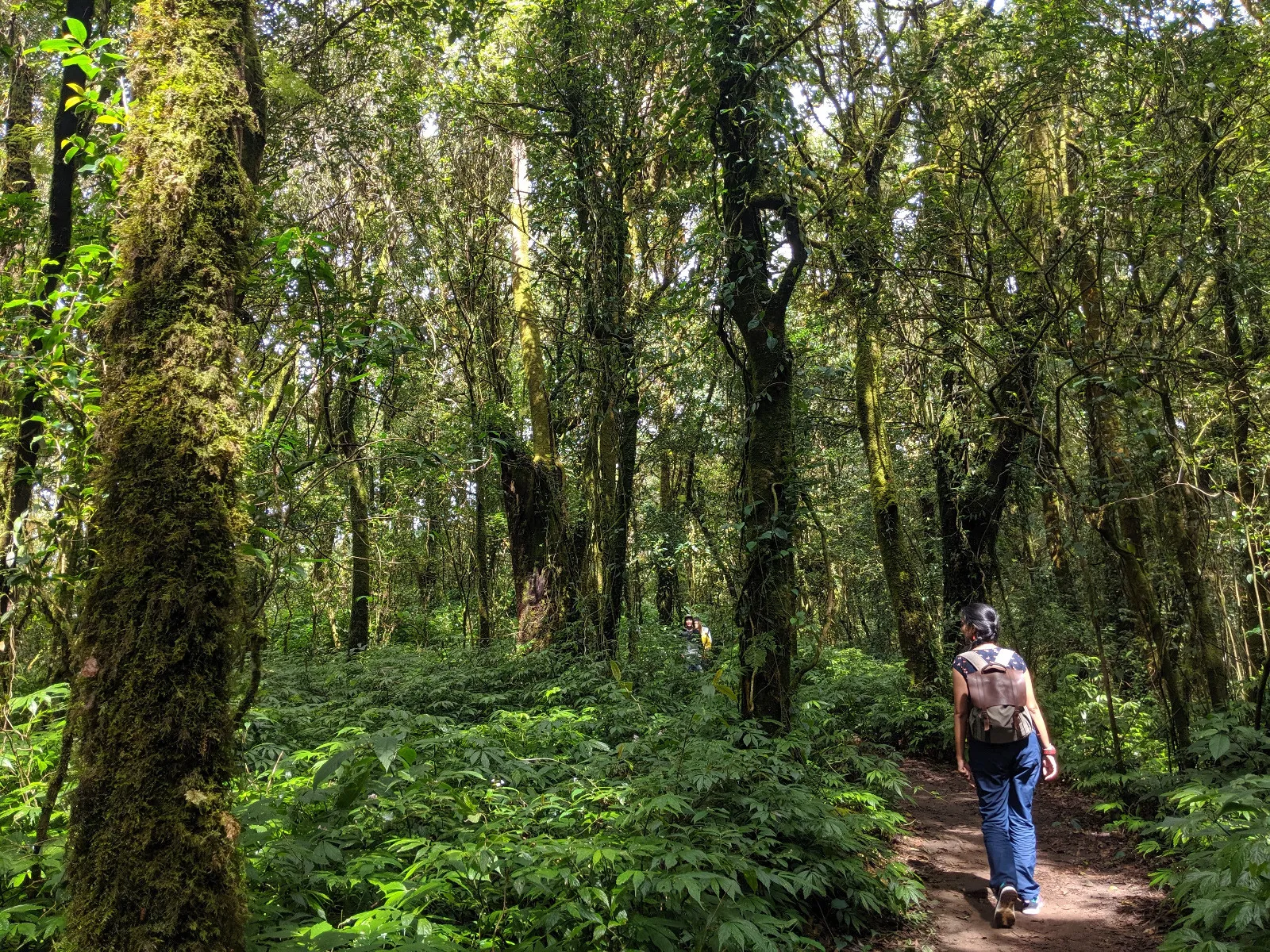
    Wilderness educator and forager across the Himalayas and the Western Ghats.

W.I.P Labs