Authentic
Not a forced combination of corporate training and art.
ART Immersion
A corporate training programme by W.I.P Labs
Working artists from theatre, music, movement, sound and code train your teams in leadership, inclusion, sales and mindful AI. Diagnosed with your HR team, built from your real work, measured after.
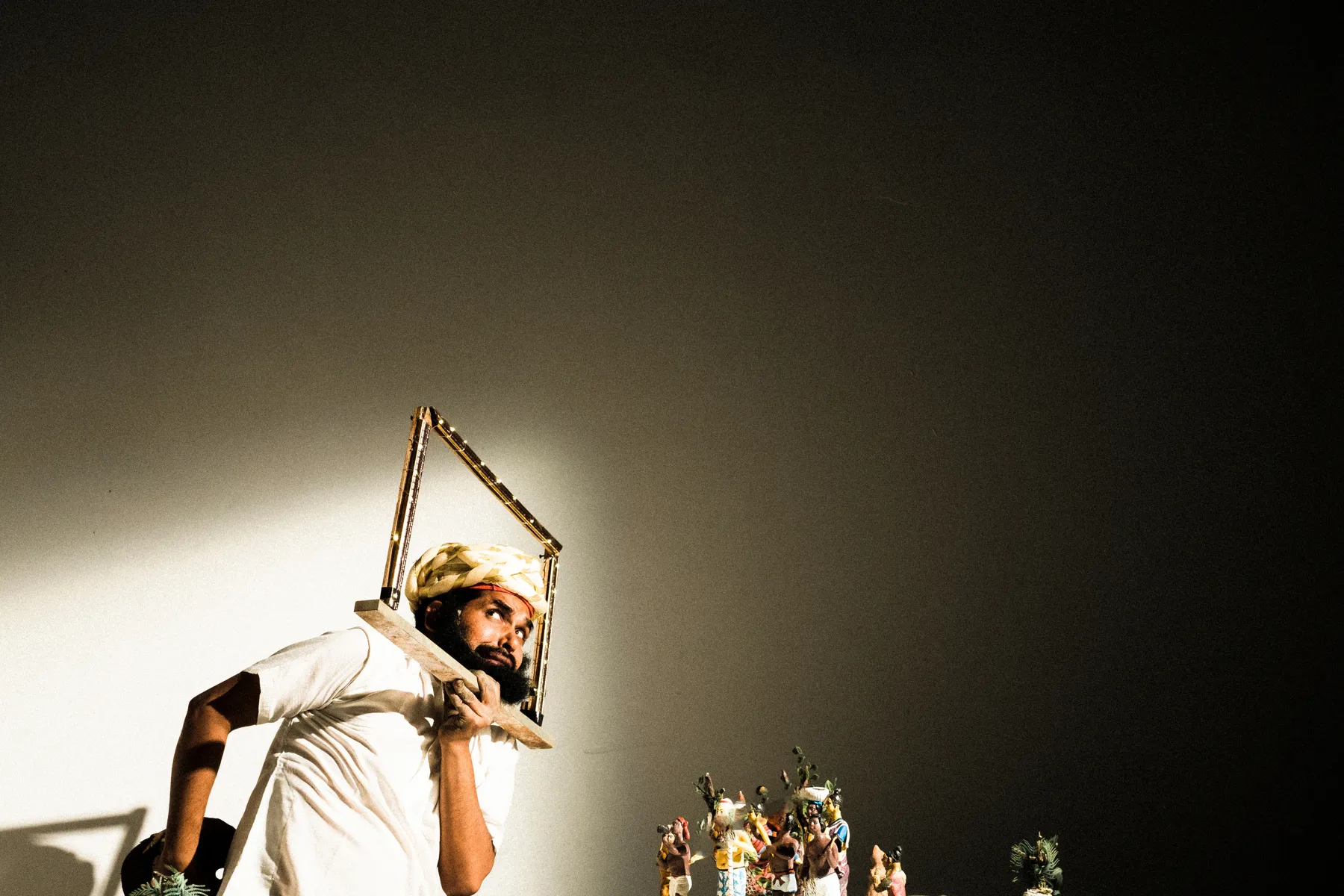
ART Immersion is the corporate training programme of W.I.P Labs, an artist-run collective in New Delhi whose founders and faculty bring more than twenty years of practice. We bring genuine artistic practice into organisational learning, rather than dressing corporate training up as art.
We name the behaviour before we design anything.
Practitioners of national standing, matched to your problem.
Your real meetings, pitches and scenes. No off-the-shelf content.
Indicators agreed up front, reviewed at 30 to 90 days.
Not a forced combination of corporate training and art.
Not superficial theatre games or generic team-building.
Not an introduction to an art form. We work at the depth artists train at.
Not art repackaged as corporate entertainment.
Who we are
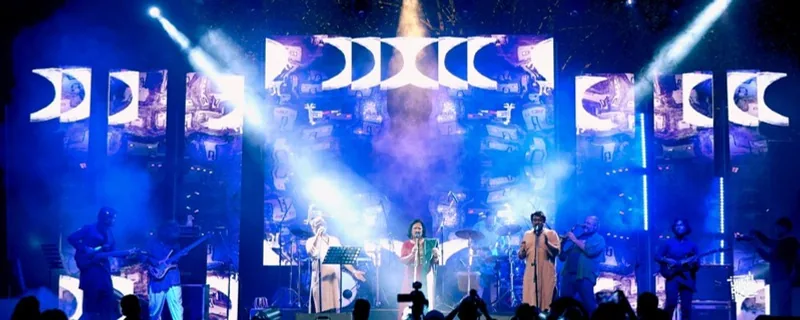
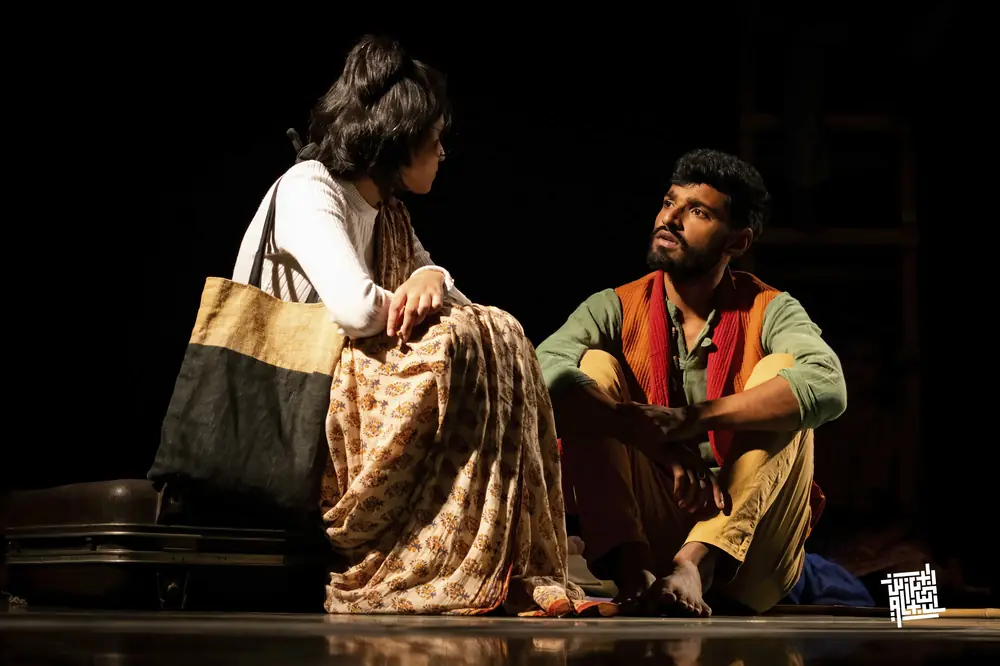
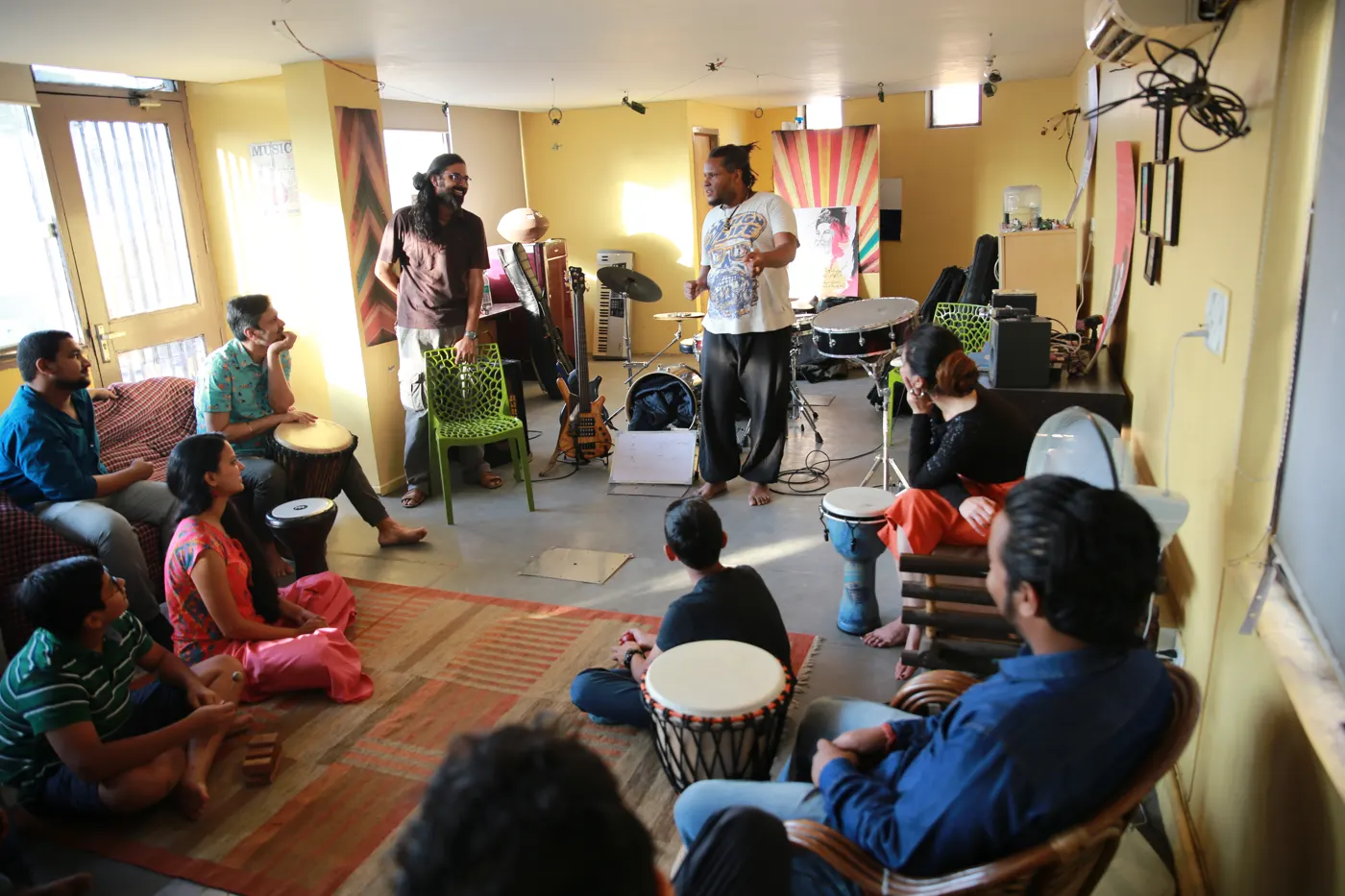
Practitioners, educators, producers and curators, with training in engineering, law and management too. This is what a W.I.P room looks like.
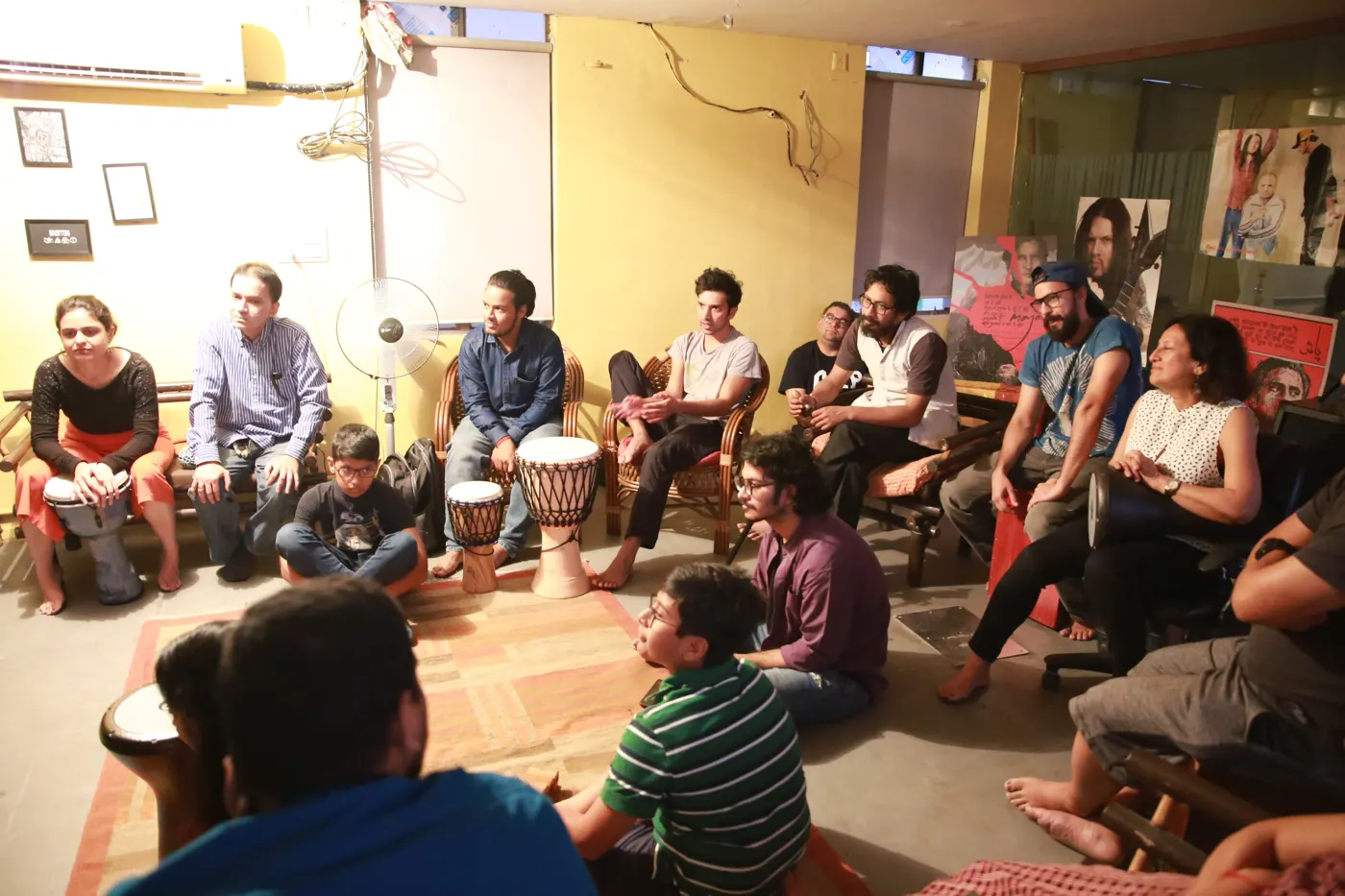
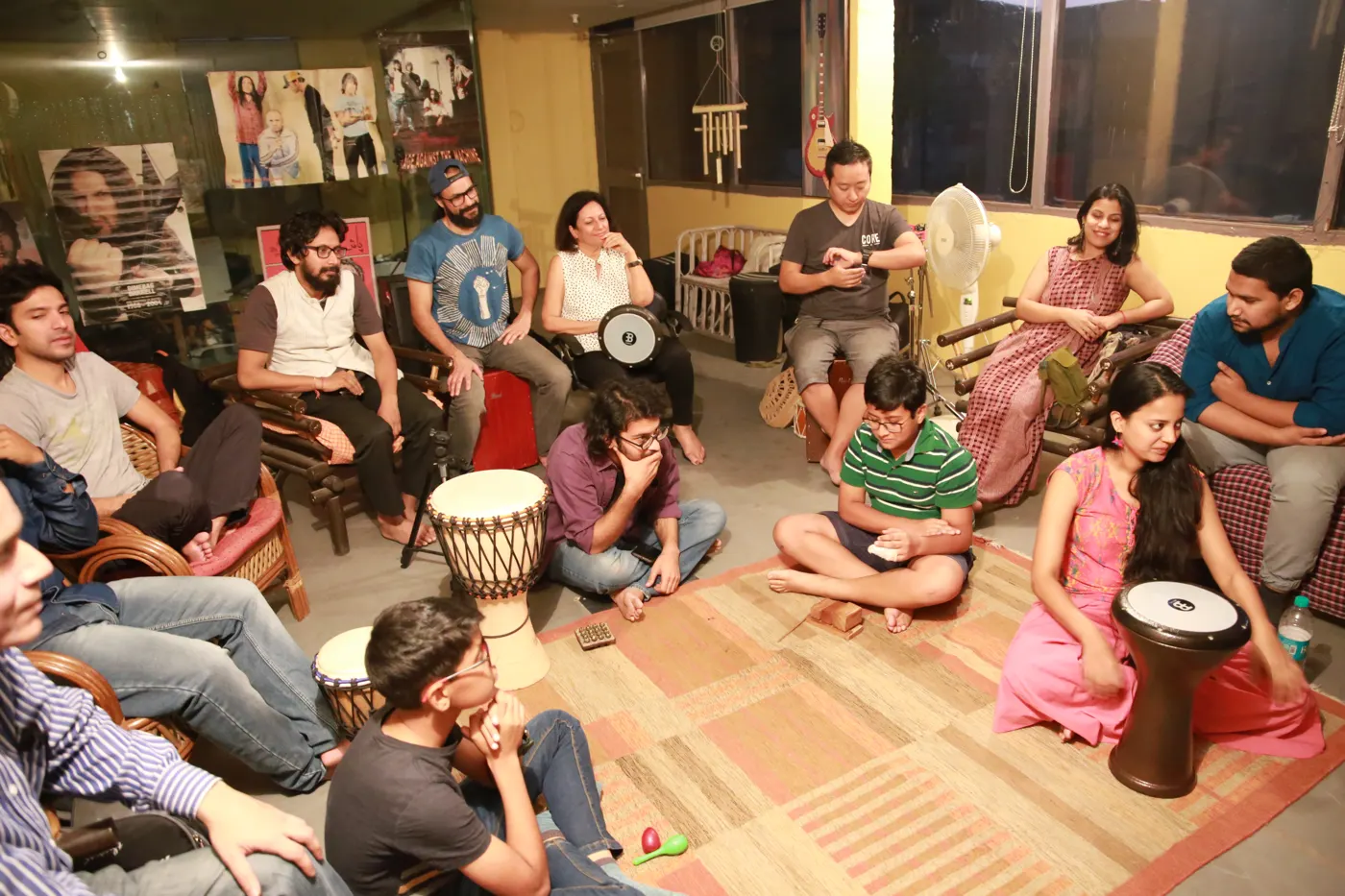
The behaviours that cost teams most happen faster than anyone can think about them. You can't lecture them away.
In the meetingThe same three people speak first.Some voices are interrupted, or their idea comes back later with someone else's name on it.
In the pitchSix weeks on the deck. No rehearsal.The content is right. The transitions, the timing and the recovery from a hard question were never practised.
In the teamNobody assigned the role.Someone takes the pen, the front and the summary within seconds. It is usually the same person.
Telling people about a dynamic rarely changes it. Making them experience it does.
Rehearsal, ensemble, listening, presence, status, improvisation. In a well-designed session, people watch themselves do the thing, then practise a different way of doing it, several times, before they take it back to work. We bring the practitioners, not a trainer who borrowed a few theatre games.
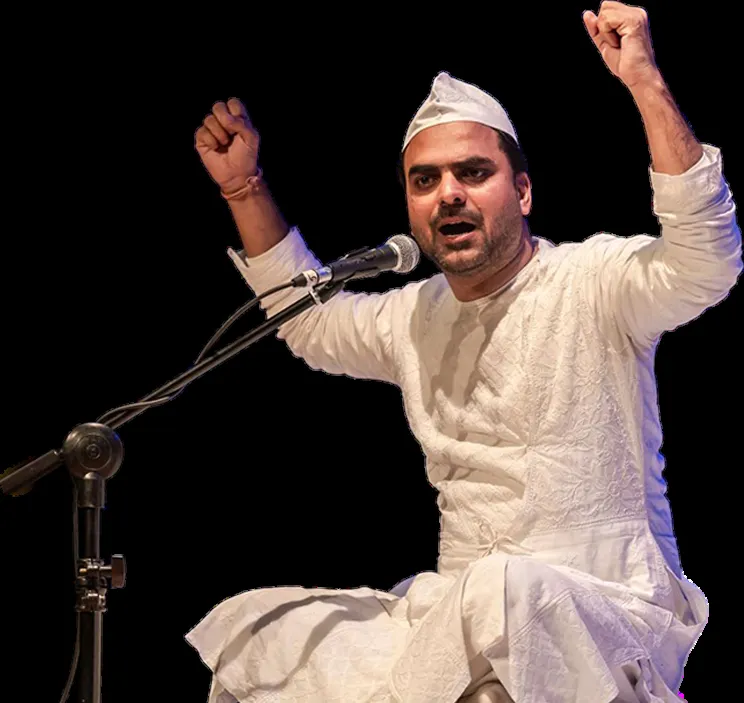
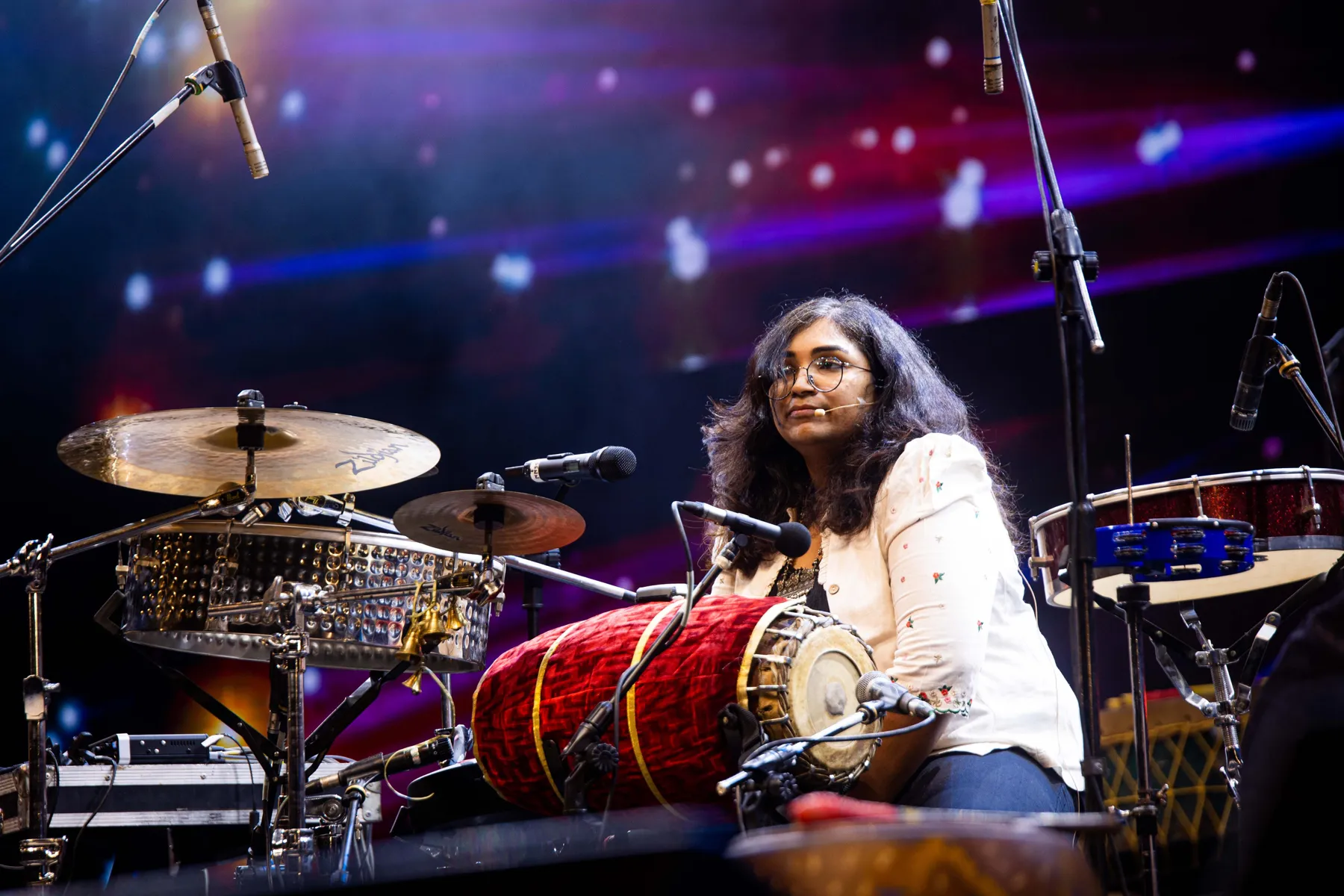
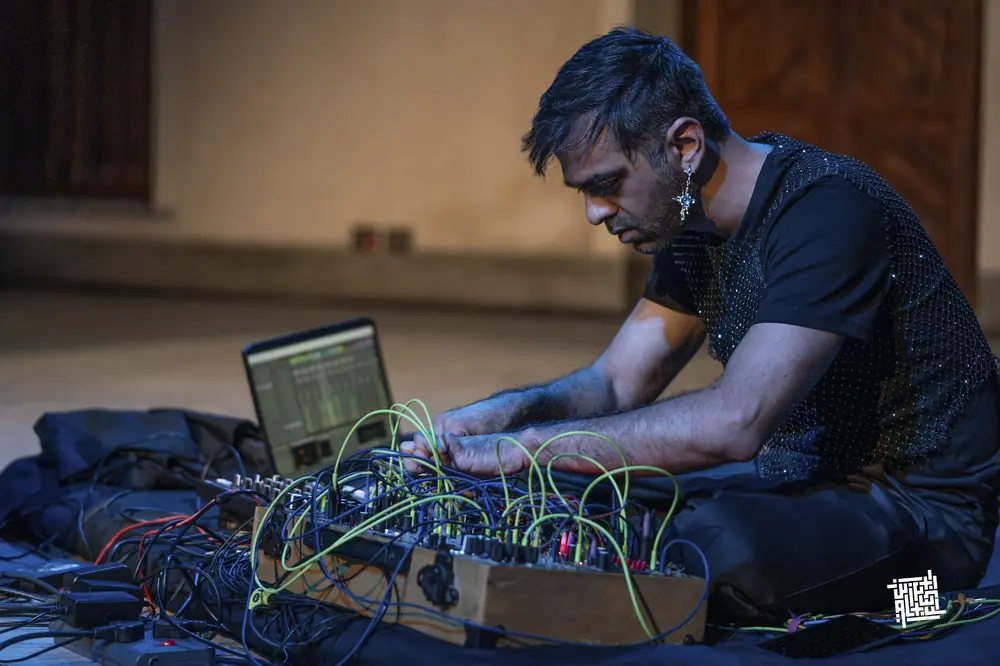
Never tell people something about themselves that the room can show them instead.
Programmes
 01
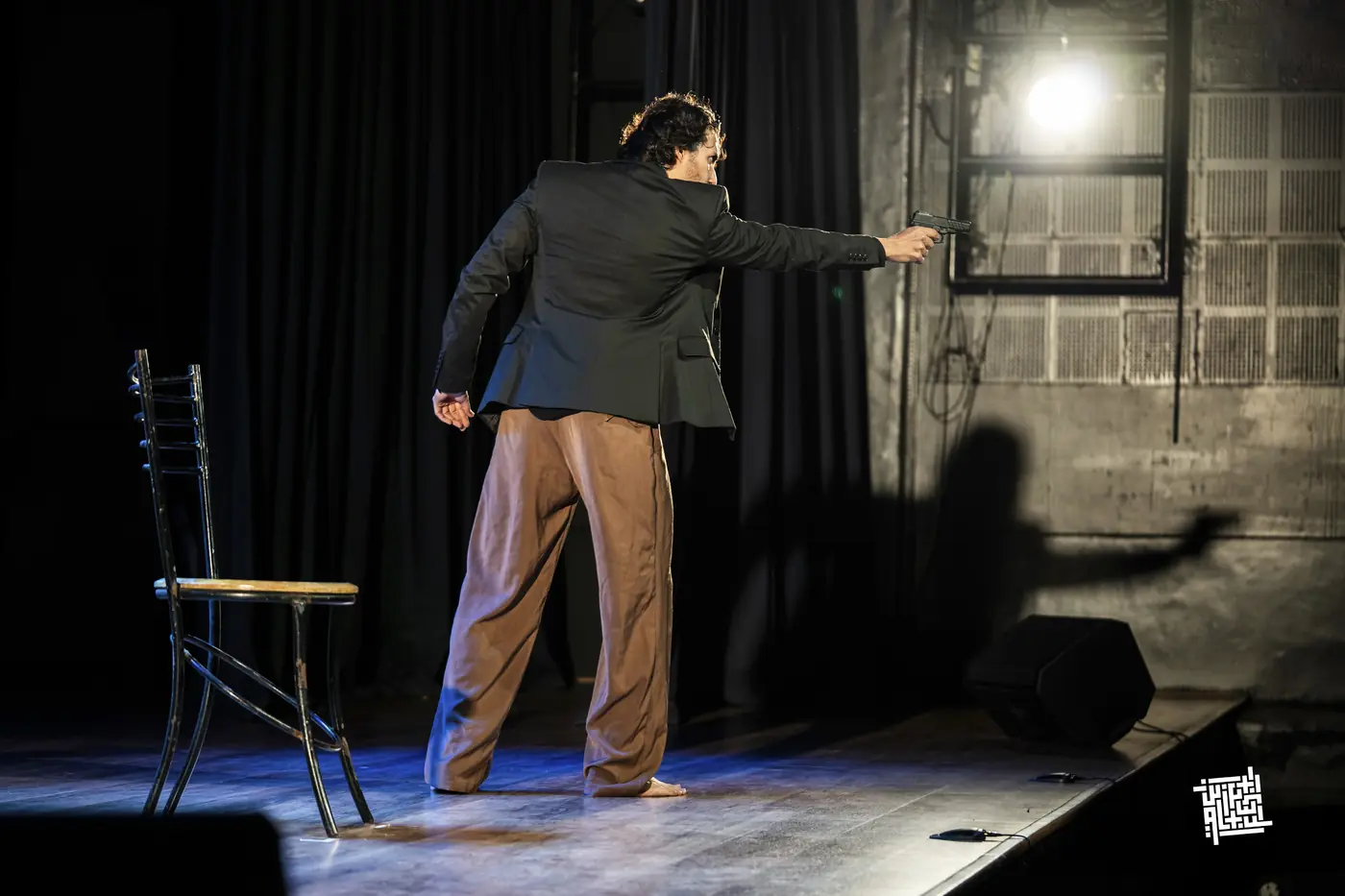
Who speaks, who is interrupted, who takes the notes.
 02
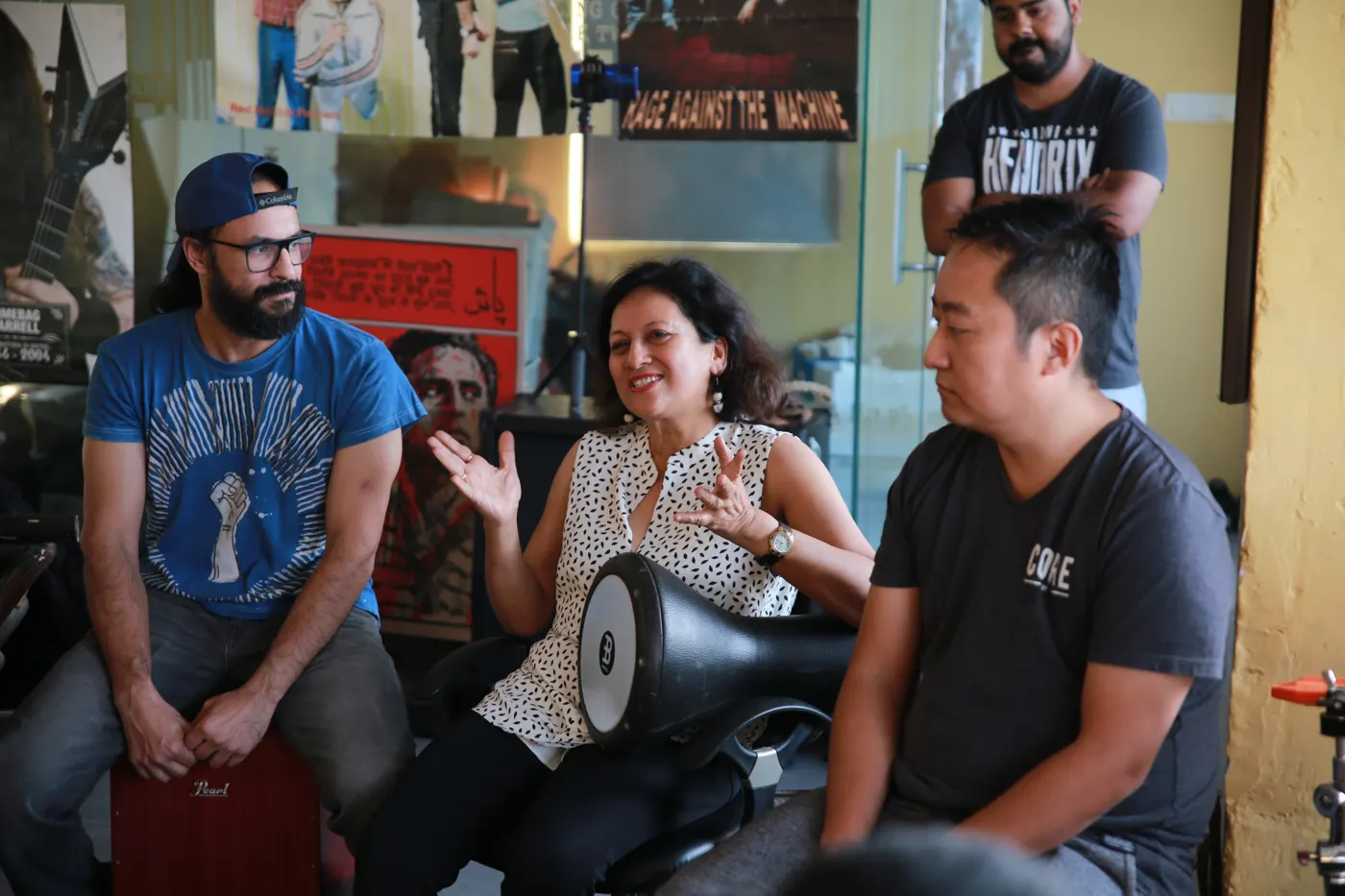
Hold a room. Pass the lead.
 03
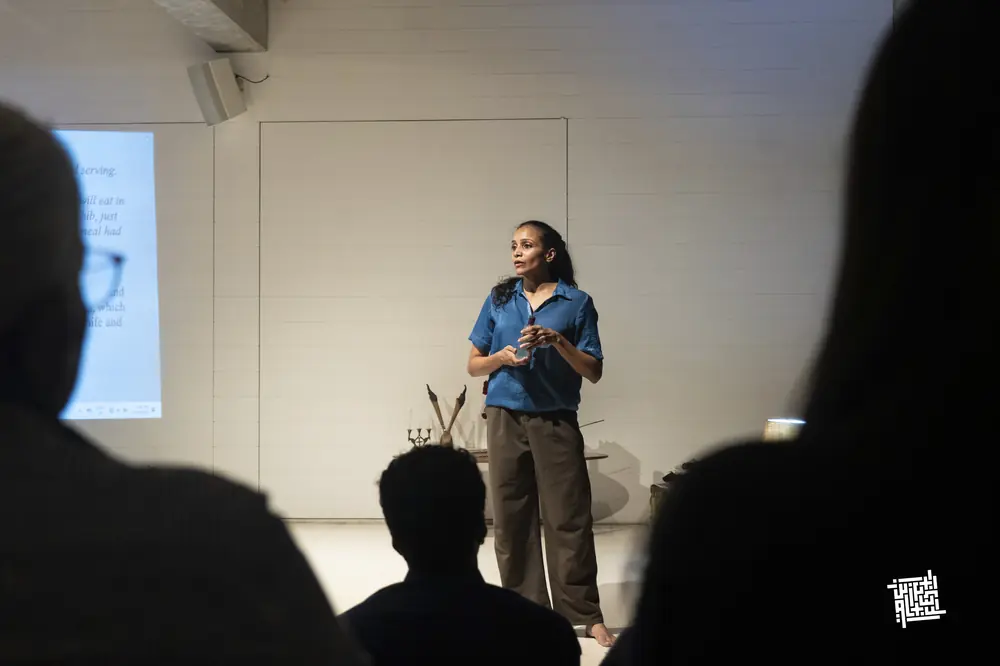
Silos and hierarchy that block honest talk.
 04
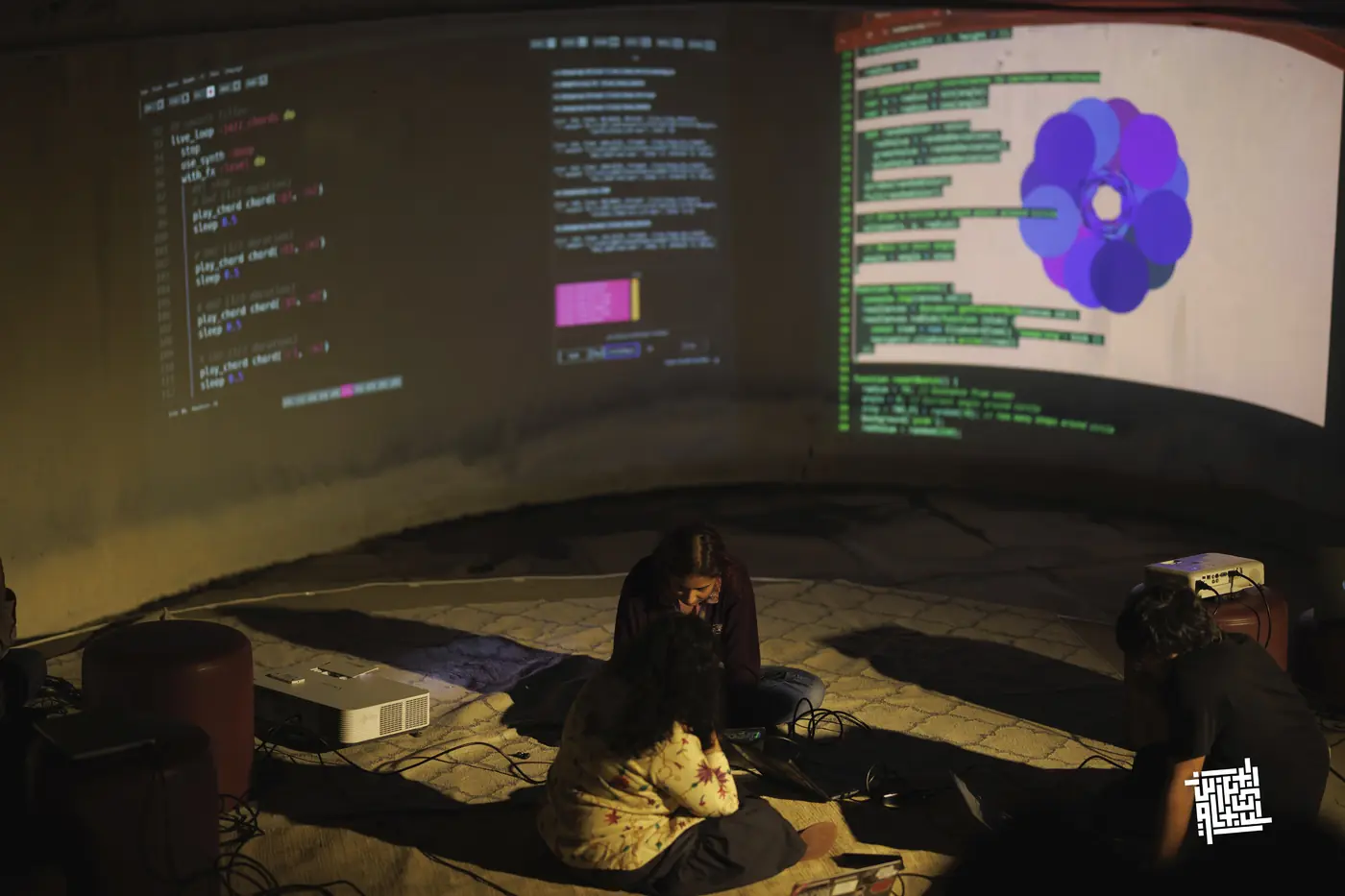
Pitches that survive the hard question.
 05
Use the tools. Keep the judgement.
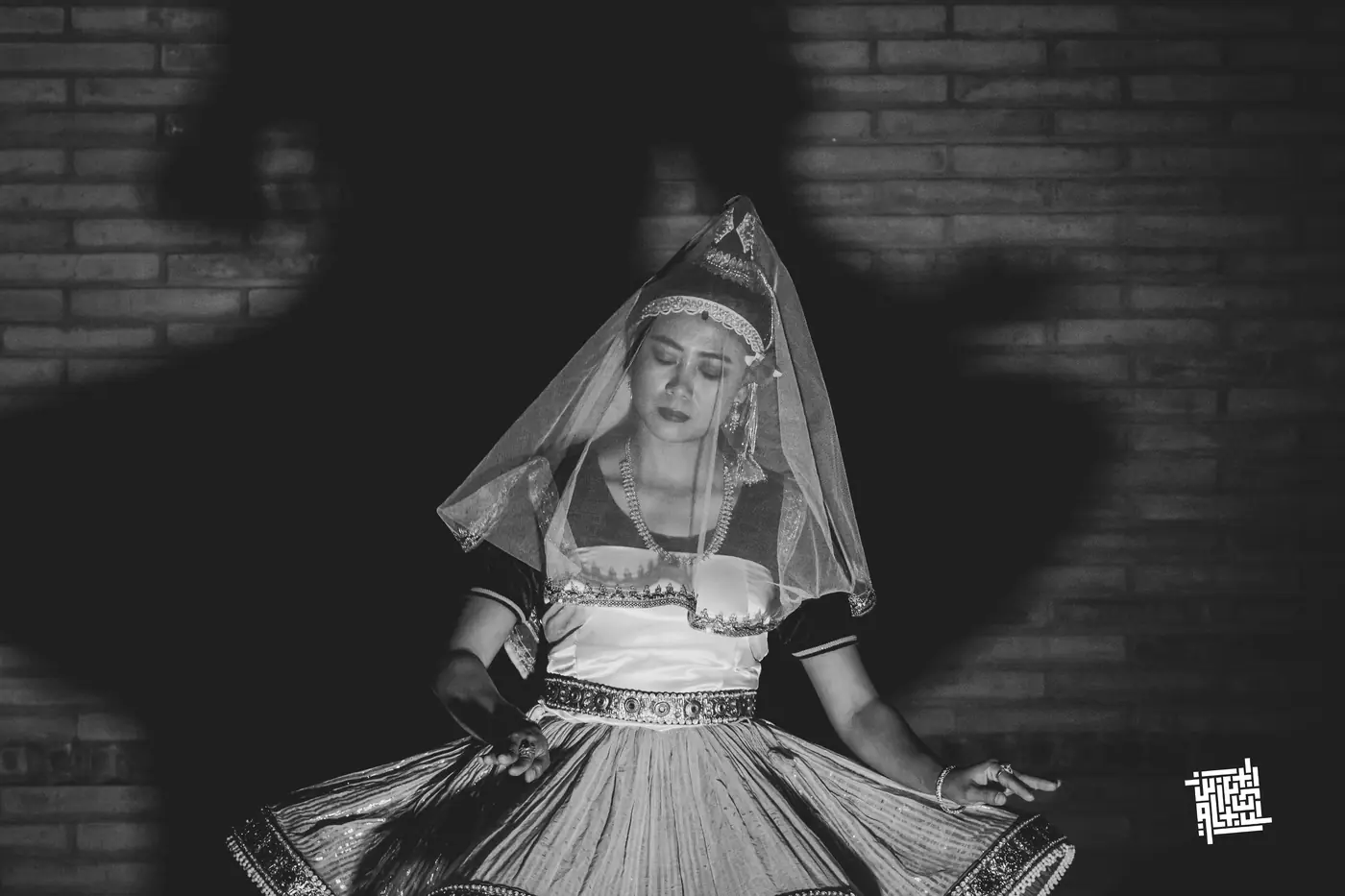 06
Attention, recovery, steadiness.
From the room
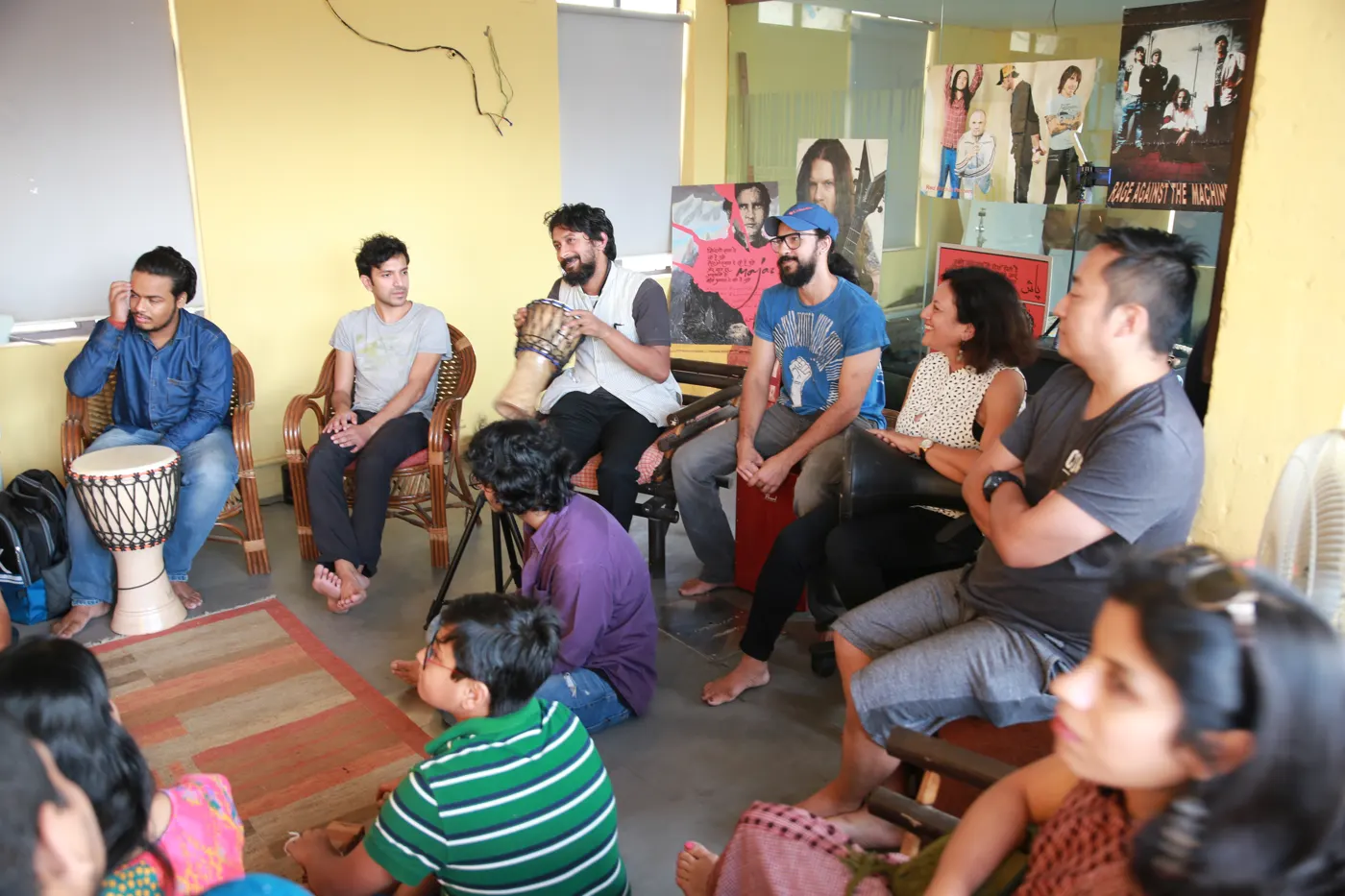
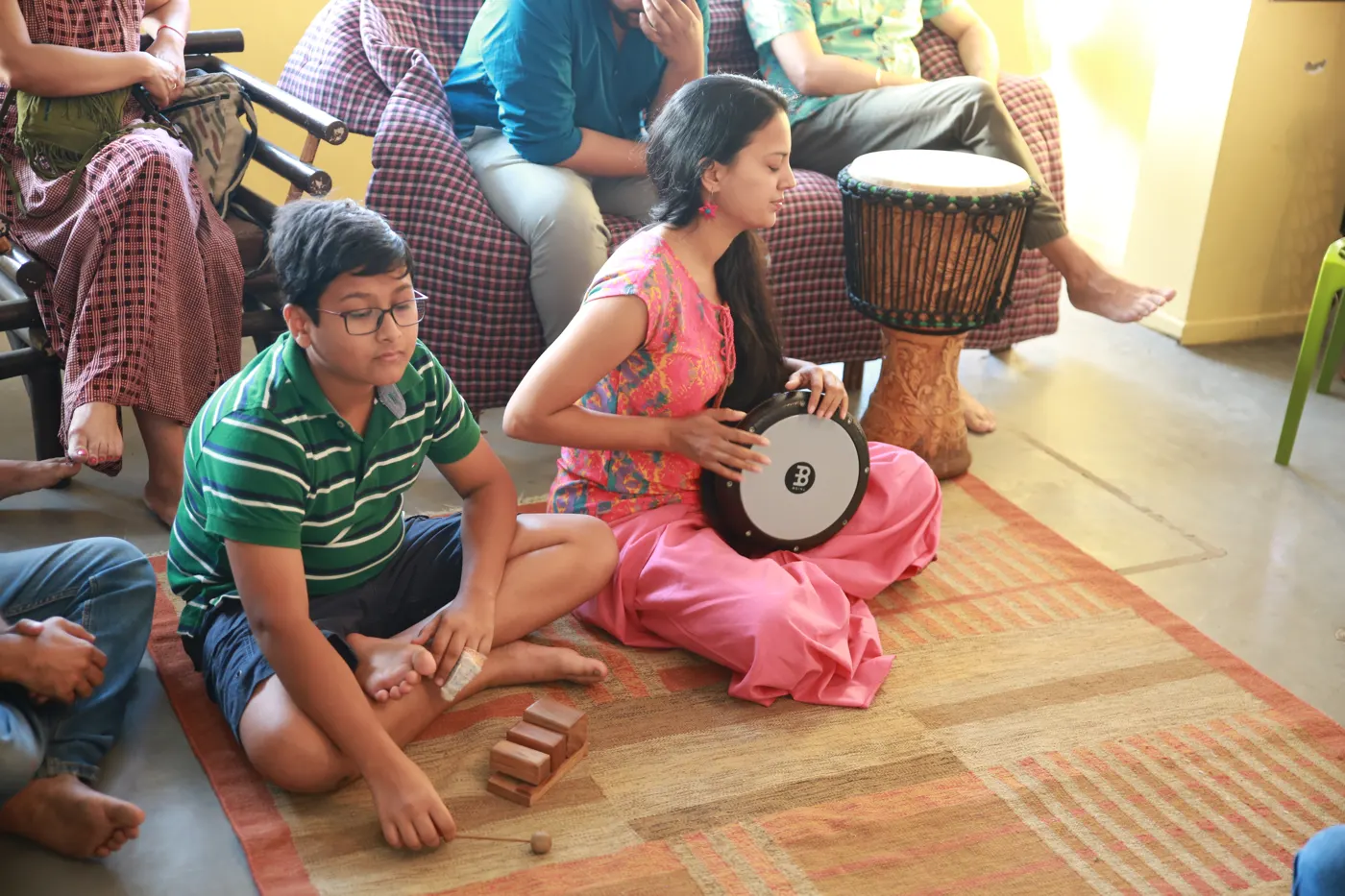
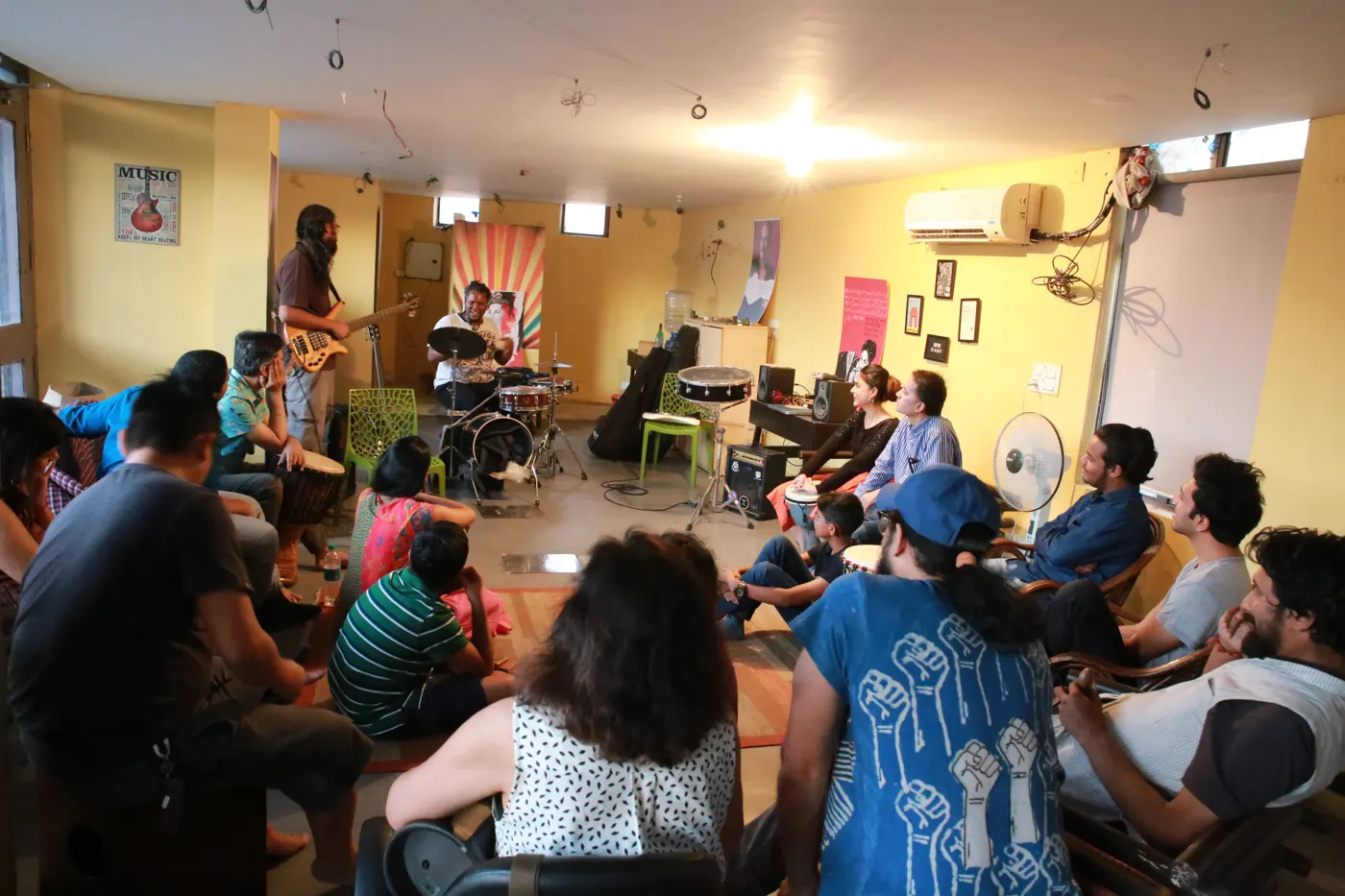
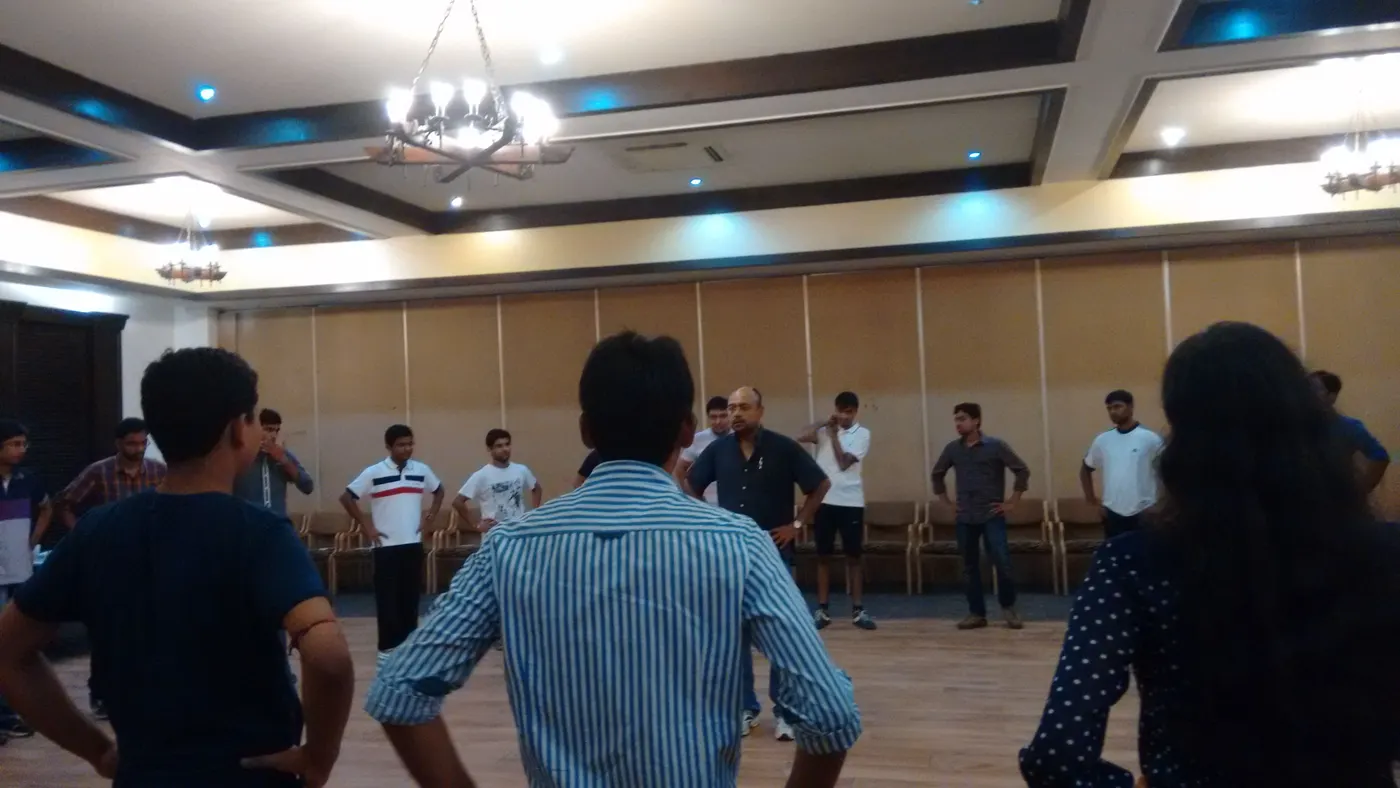
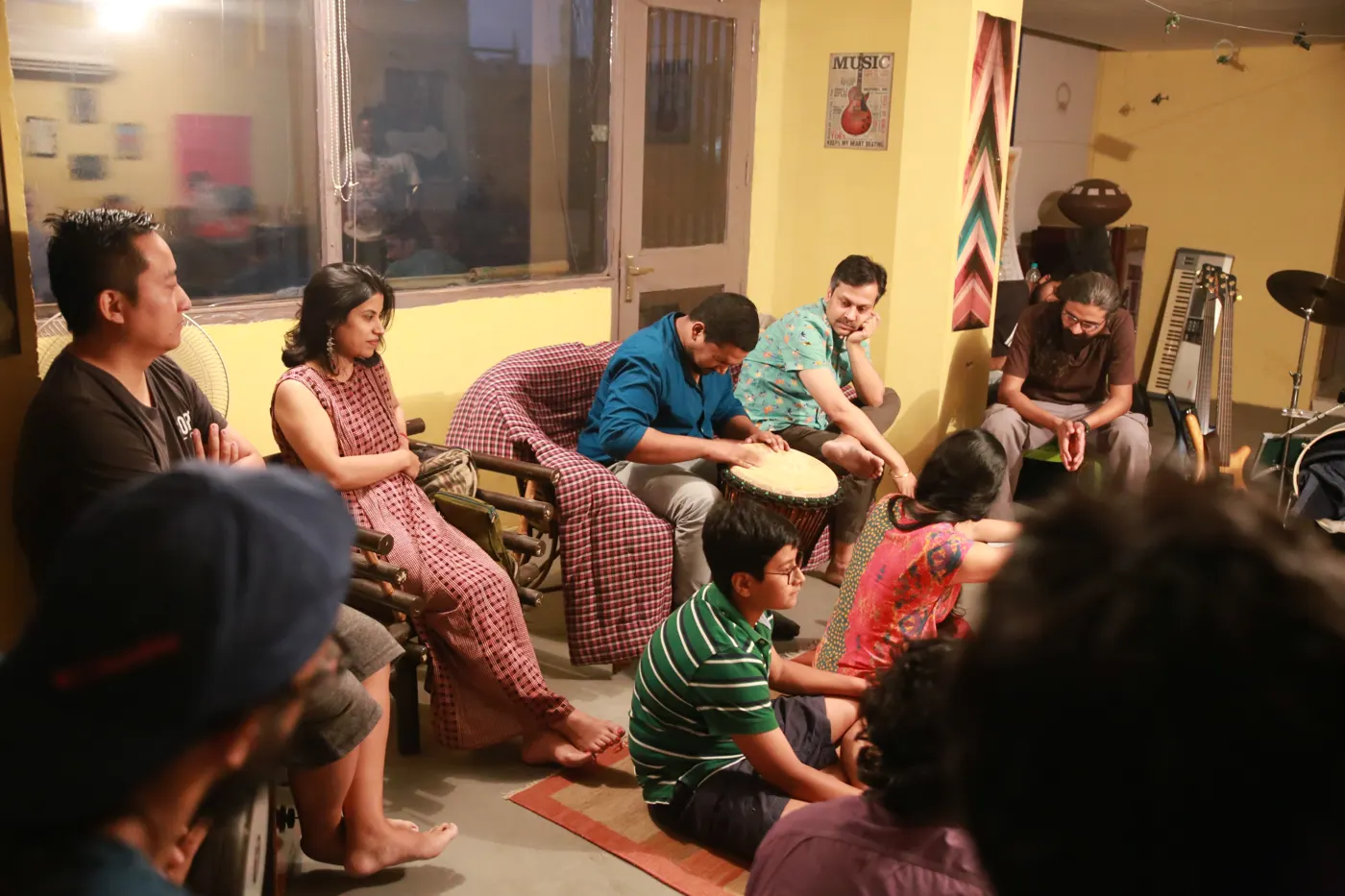
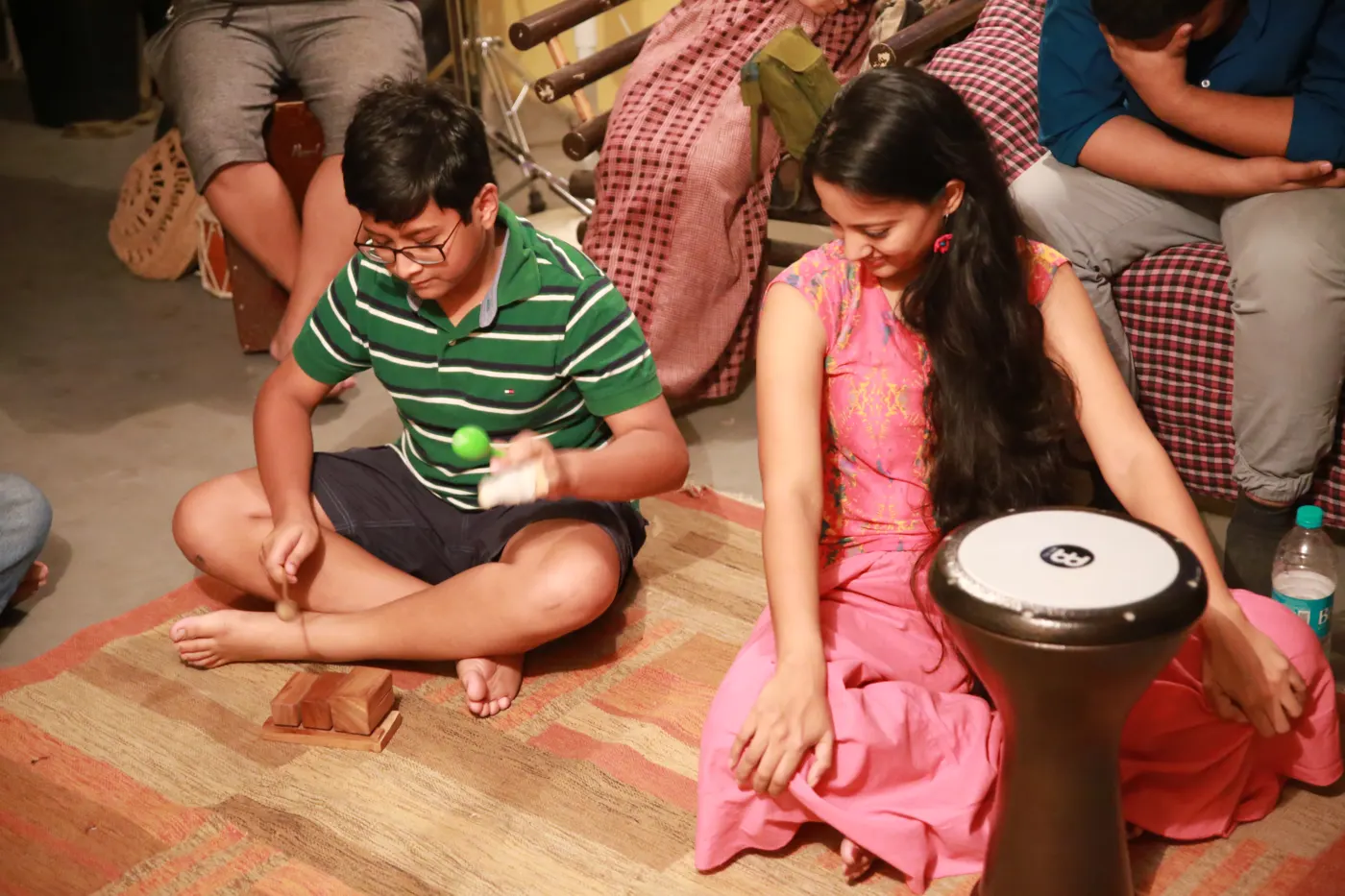
Five stages, in the language of a theatre production. The content changes with each organisation; the discipline of how we build it does not. The indicators set at Diagnose are the ones reported at Review.
We sit with HR, the sponsor and a sample of your people, and name the behaviour precisely.
You getA one-page brief with 3 to 5 agreed indicators.
We choose the art form, then the facilitator from our faculty, and tell you why.
You getA named team, with the reason for each discipline.
We build the curriculum on our frameworks, from your real meetings, pitches and scenes.
You getA session plan you sign off.
Delivery in rehearsal conditions: on your site, at W.I.P aDDa in Delhi, or on residency.
You getThe programme and facilitator notes.
A report against the agreed indicators, and a follow-up at 30 to 90 days.
You getPatterns (never individuals), a commitment log and a recommendation.
Featured case · a large Indian FMCG conglomerate
Two-day programmes for women in male-majority sales roles: voice, body and scenes from their own working lives. The client came back for a mixed-gender programme on who talks over whom, and who takes roles nobody assigned.
More case studiesFormats
Start here
Half-day to 2 days · 12 to 30 people · your office or W.I.P aDDa

Away from the office
3 to 5 days · 12 to 30 people · venues chosen per brief

For the top team
2 to 3 days · 6 to 16 people · residential or private studio
Across corporate programmes, education and performance, W.I.P Labs and its practitioners have worked with these organisations.
FAQ
They don't need to be artists. Nobody is judged on talent or asked to perform alone, and anyone can watch an exercise instead of doing it. The material is your team's real work.
No. Team building aims at goodwill. We aim at a named behaviour, measured before and after.
We agree 3 to 5 indicators with you before we design anything, report against them, and in the deeper options follow up at work at 30 to 90 days.
Per programme for a stated group size, not per head. A fixed-fee diagnostic comes first and is credited if you go ahead. We share indicative fees on the first call.
Start with a conversation
We'll tell you whether art is the right tool, and if it isn't, what is.
The collective
W.I.P Labs is run by Kirti Sharma and Baan G from W.I.P aDDa in Lado Sarai, New Delhi, with a network of working artists cast for each programme.
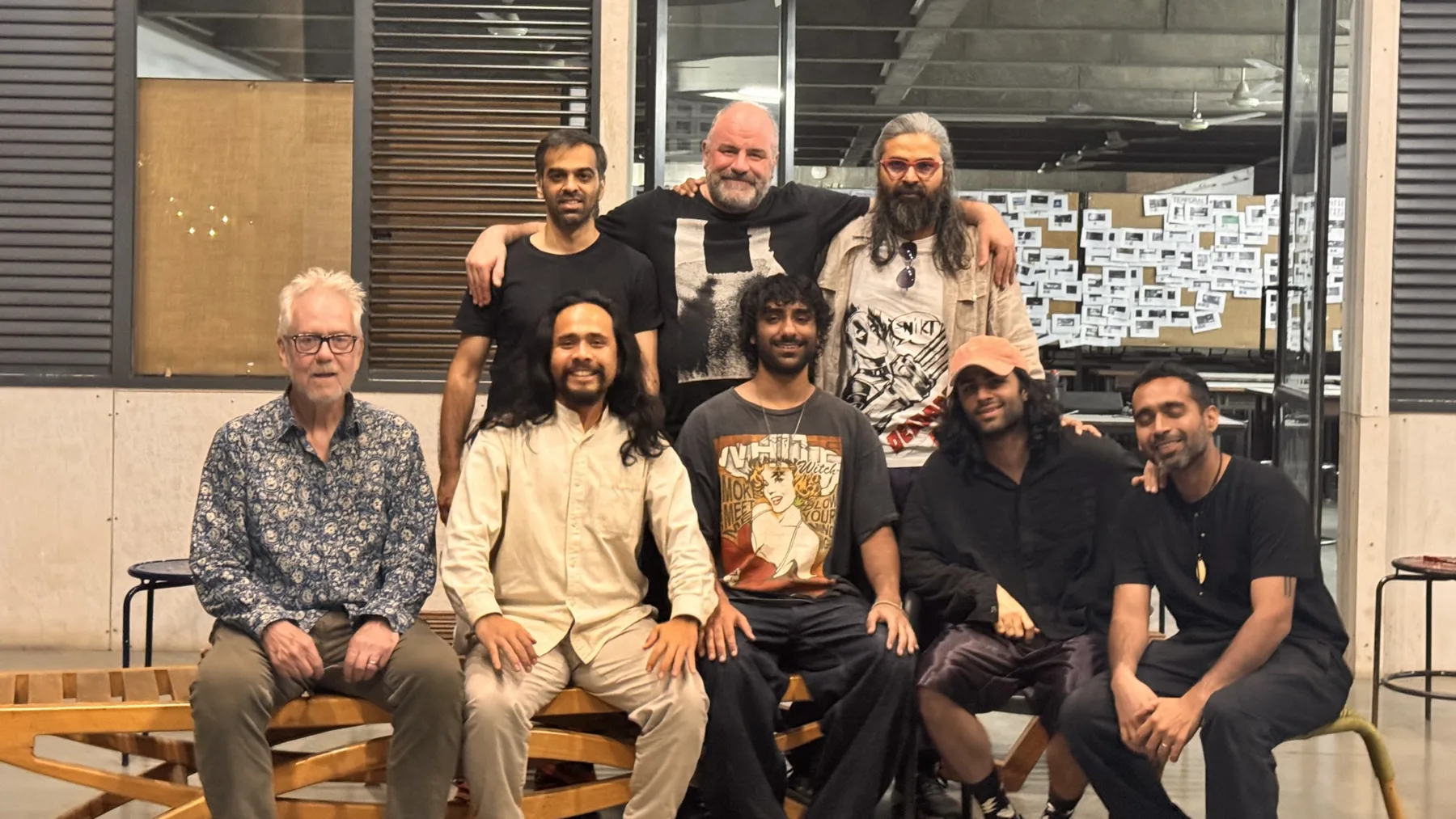
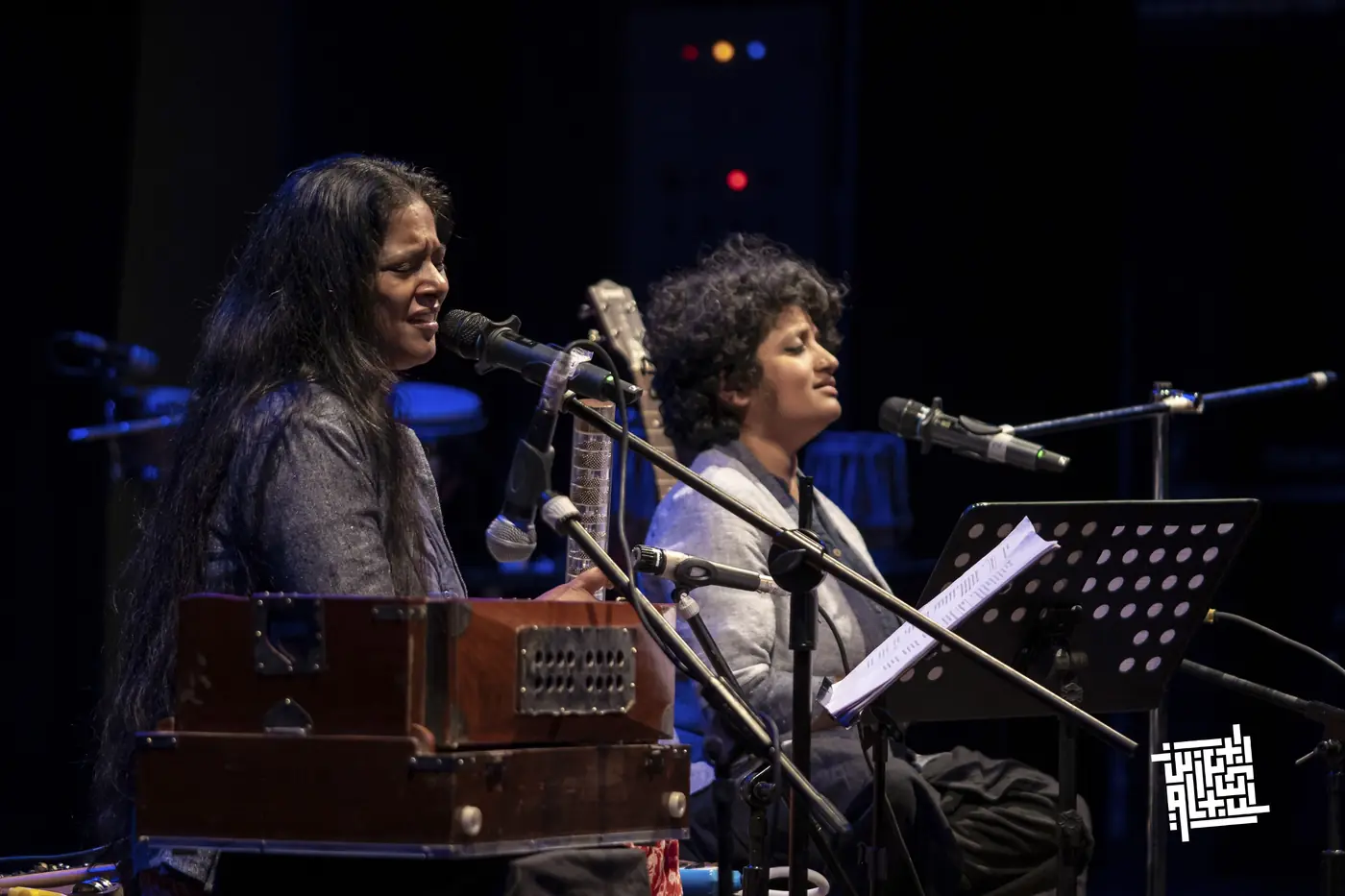
Here, with artists and faculty from Listening Otherwise, our conference on improvised music, at CEPT University, Ahmedabad, including Raymond MacDonald and Jay Kreimer.