Authentic
Not a forced combination of corporate training and art.
artimmersion
Artist-led programmes on presence, mindful AI, inclusion, listening and the pitch
Working artists from theatre, music, movement, sound and code come into your organisation to change what people do, not only what they know. Diagnosed first, built from your real work, measured after.
25
Years of practice in the founding team, across the arts and industry, since 2001.
20+
Organisations our team has worked with, across industry, education and culture.
700+
Artists presented at W.I.P altFEST: the network we cast your programme from.
Venice to Edinburgh
Where work from our founder and artist network has been shown.
The behaviours that cost teams most happen faster than anyone can think about them. You can't lecture them away.
In the meetingThe same three people speak first.Some voices are interrupted, or their idea comes back later with someone else's name on it.
In the pitchSix weeks on the deck. No rehearsal.The content is right. The transitions, the timing and the recovery from a hard question were never practised.
In the teamNobody assigned the role.Someone takes the pen, the front and the summary within seconds. It is usually the same person.
Telling people about a dynamic rarely changes it. Making them experience it does.
ART Immersion is the corporate practice of W.I.P Labs, an artist-run collective in New Delhi. We bring genuine artistic practice into organisational learning, rather than dressing corporate training up as art.
We name the behaviour before we design anything.
Practitioners of national standing, matched to your problem.
Your real meetings, pitches and scenes. No off-the-shelf content.
Indicators agreed up front, reviewed at 30 to 90 days.
Not a forced combination of corporate training and art.
Not superficial theatre games or generic team-building.
Not an introduction to an art form. We work at the depth artists train at.
Not art repackaged as corporate entertainment.
Rehearsal, ensemble, listening, presence, status, improvisation. In a well-designed session, people watch themselves do the thing, then practise a different way of doing it, several times, before they take it back to work. We bring the practitioners, not a trainer who borrowed a few theatre games.
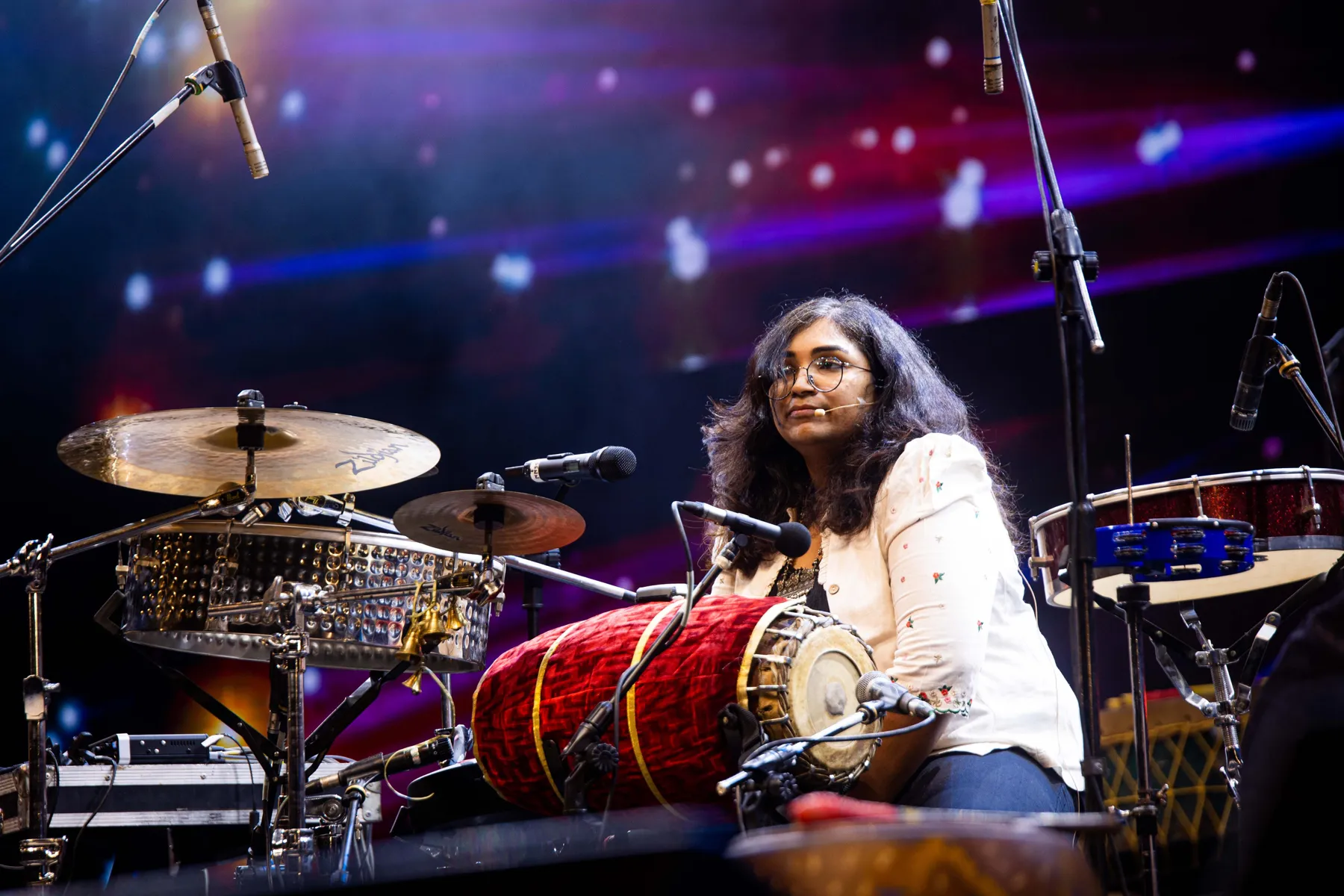
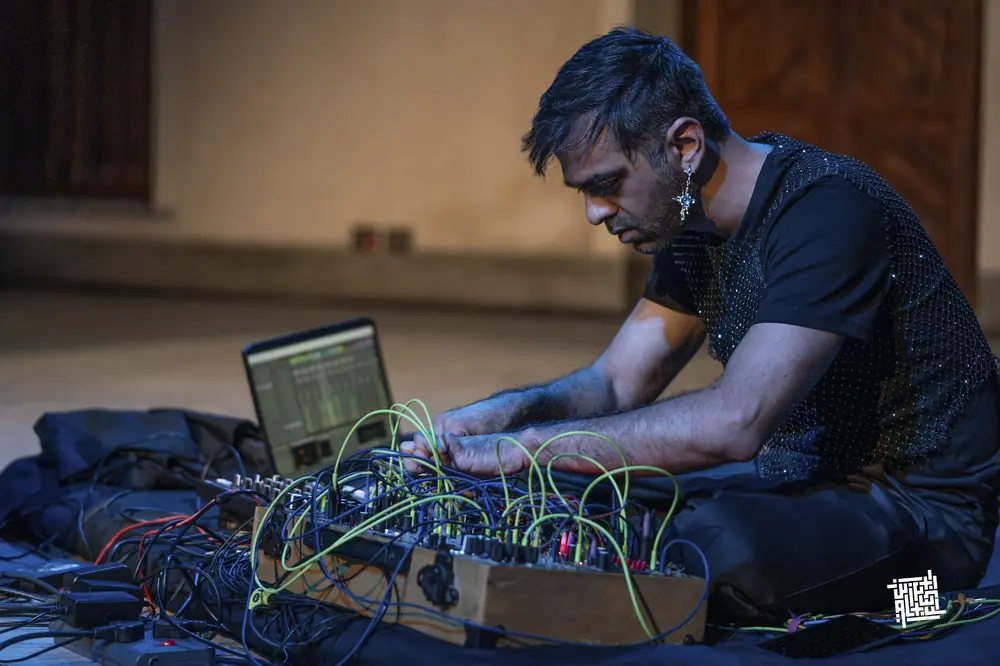
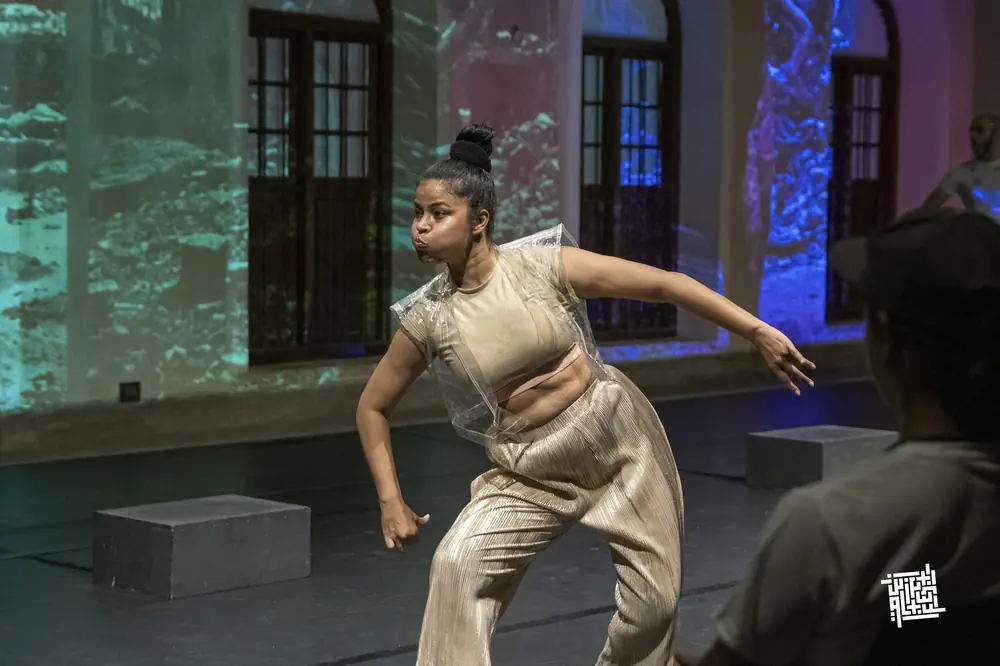
Never tell people something about themselves that the room can show them instead.
Each area holds a set of modules. Every module is a starting design, shaped to your brief at the Diagnose stage. Choose an area to see its modules, what each one tracks, and the precedents behind it.
Attention, recovery and steadiness under pressure.
Movement, sound, making by hand
02Use the tools. Keep the judgement.
Live coding, sound design, writing
03Hold a room. Pass the lead. Make strategy repeatable.
Voice, theatre, ensemble music, film
04Behaviour, not blame.
Physical theatre, forum theatre, voice
05Teams that actually listen to each other.
Ensemble music, songwriting, improvisation
06Bring the real pitch. We'll rehearse it until it survives the room.
Theatre rehearsal, improvisation
01 · Self and well-being
Fatigue at work is rarely about one long week. It is the habit of never fully stopping, never listening fully, and carrying tension nobody notices. Movement artists, sound practitioners and makers work on these habits through the body and the senses, so people leave with practices they can use on a Tuesday afternoon.
Delivered run for a client Designed ready to run Pilot new, run first at a reduced fee
Breath, weight and balance work, then simple partner exercises that show people how tension travels through a group. The session ends with a five-minute practice each person can run at their desk.
What we trackSelf-rated stress in three named work situations, before and at 30 days; use of the practice, reported in a short pulse.
Sound practitioners train attention to what is actually heard, including silence and timing. Listening exercises lead into structured pair and group work where people restate each other's points before adding their own.
What we trackParaphrase accuracy at start and end; a team pulse question on feeling heard, before and 60 days after.
A team makes one object together with a master maker, by hand. Who leads, who waits and who rescues the work becomes visible, and the finished piece stays in the office as a reference point.
What we trackFacilitator observation of participation patterns; a team pulse on belonging at 60 days.
Mornings of practice, afternoons applying it to the team's real working patterns, unstructured late afternoons, and evenings with working artists. It ends with team agreements on pace and recovery, written as behaviours.
What we trackThe agreements themselves, and how many are still in use at the 90-day review.
This is not therapy and not a wellness retreat. We work on attention and recovery habits in a group. Where a diagnosis shows clinical needs, we say so and point to the right professional help.
Precedent
World Health Organization
More than 3,000 studies on the arts and health.
Arts engagement is low-cost and multi-modal, which suits complex problems.
EPFL+ECAL Lab × Pro Senectute Vaud
Design against loneliness.
Design that starts from how people feel gets used.
From our own work
Our movement, sound and making practitioners run W.I.P's festivals, the AutumnSKUL residency in the Kangra Valley, and W.I.P aDDa in Delhi.
Talk to us about well-being Often paired with a residency.
02 · Mindful AI and technology
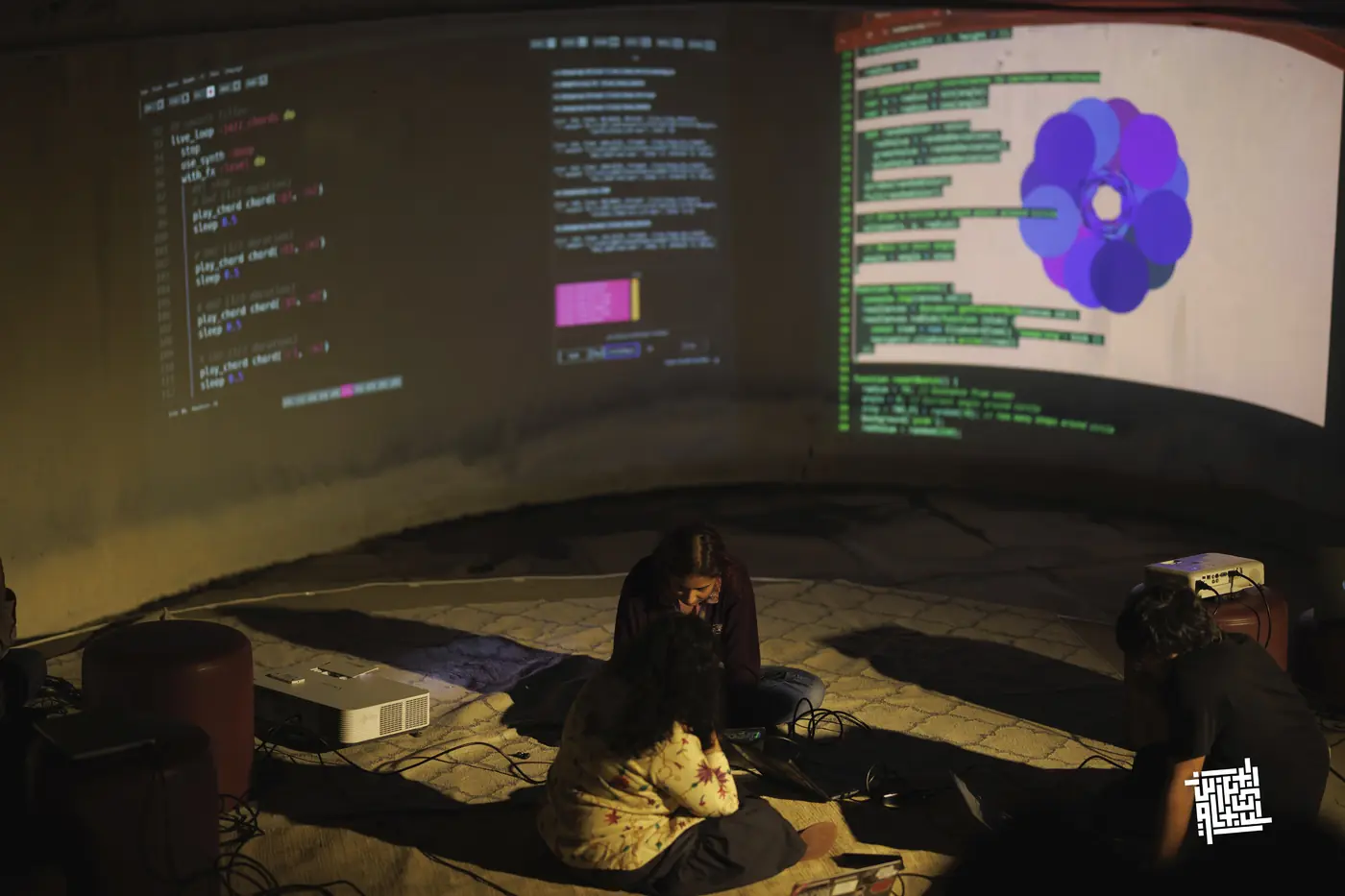
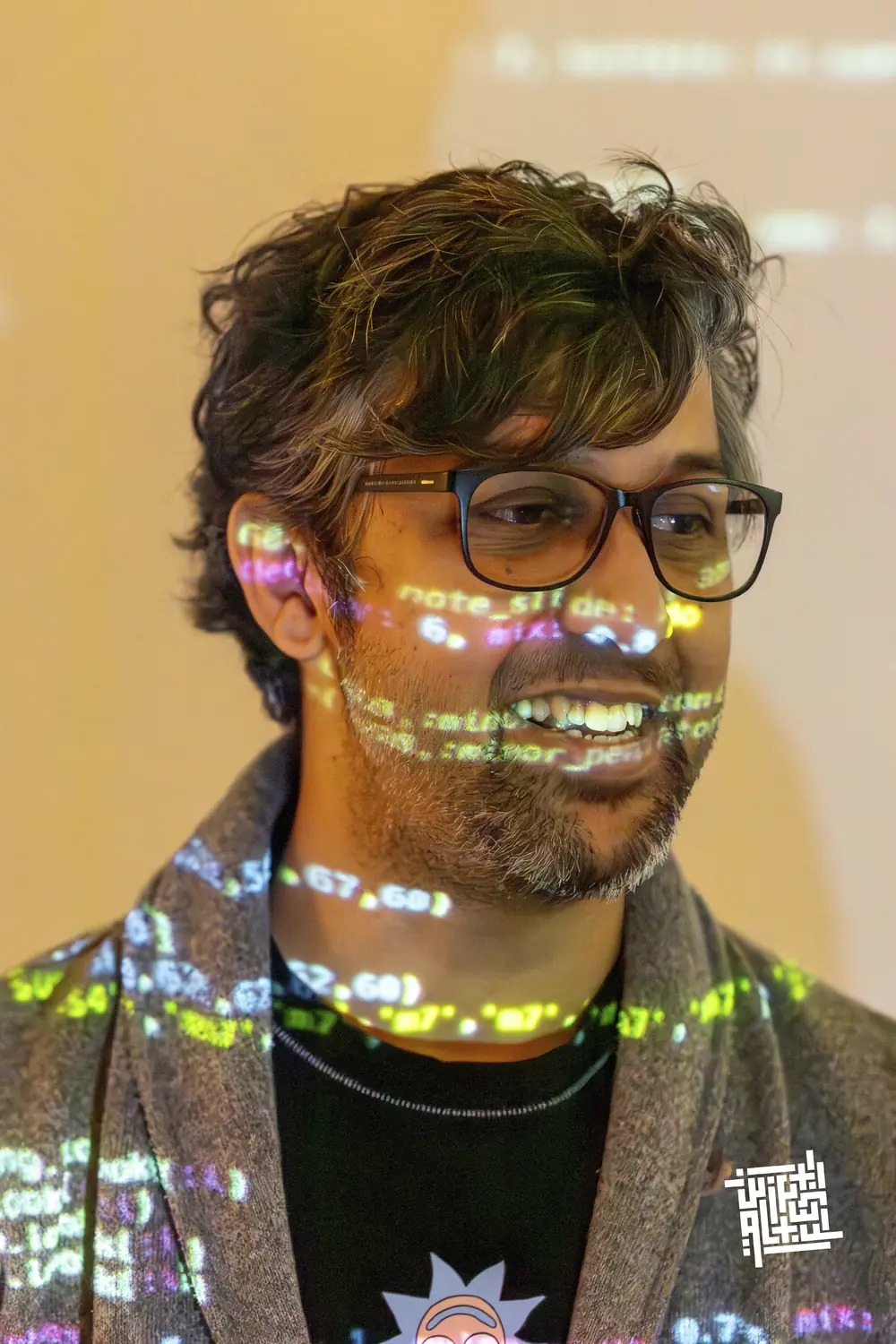
Teams are adopting generative AI faster than they are agreeing how to use it. The risk is quiet: drafts nobody owns, a house voice that sounds like everyone else's, and decisions handed to a system nobody questioned. Artists who work with code, sound and generative systems have been dealing with this for years. Our live coders, sound designers and writers bring that practice to your teams, as hands-on skill and as a change in attitude.
Art
Artists know where their own voice lives in a piece of work, and when a tool has taken over.
Technology
Creative coding turns software into something you shape by hand, with immediate feedback.
Culture
Every organisation has a way it sounds and decides. AI can flatten it or carry it.
Delivered run for a client Designed ready to run Pilot new, run first at a reduced fee
Deep listening, then modelling a real system in sound, then rapid prototypes in Processing, p5.js and Strudel, ending in a showing. Adapted from the three-day lab we ran at a leading Indian business school.
What we trackNumber and range of prototypes; a before-and-after self-assessment of comfort with ambiguity.
Live coders make music by writing code in real time, deciding second by second when to let the system run and when to step in. Teams learn the basics and play together, then map the same decisions onto one of their own AI-assisted processes.
What we trackA written set of intervention rules for the chosen process, and whether the team still uses it at 60 days.
Participants make the same piece of work with and without AI tools, then critique what was gained and what was lost. Writers and sound artists show how they keep their voice when they work with generative tools.
What we trackA team norm on where human judgement is required, written in the session; adoption checked at 60 days.
Leaders see and discuss work by artists who use generative systems, then name what their own organisation's voice and judgement consist of. The output is a short brief that sits alongside your AI policy and says what must stay human.
What we trackThe brief itself, and how it is used in the next AI decision the team makes.
Pilot modules are new designs built on our artists' existing practice. We run them first with a small group at a reduced fee and share the results with you before scaling.
Precedent
Stanford University × Yamaha
A composer in an AI lab changed the sound of pop music.
The licence earned Stanford more than $20 million, its second most lucrative ever at the time.
MIT Media Lab, Opera of the Future
Instruments built for musicians became a games industry.
Research led by an artistic question produced products, companies and new forms of participation.
From our own work
W.I.P ran a three-day Sound and Creative Coding Lab at a leading Indian business school, and programmes live coding at W.I.P altFEST.
03 · Leadership and presence
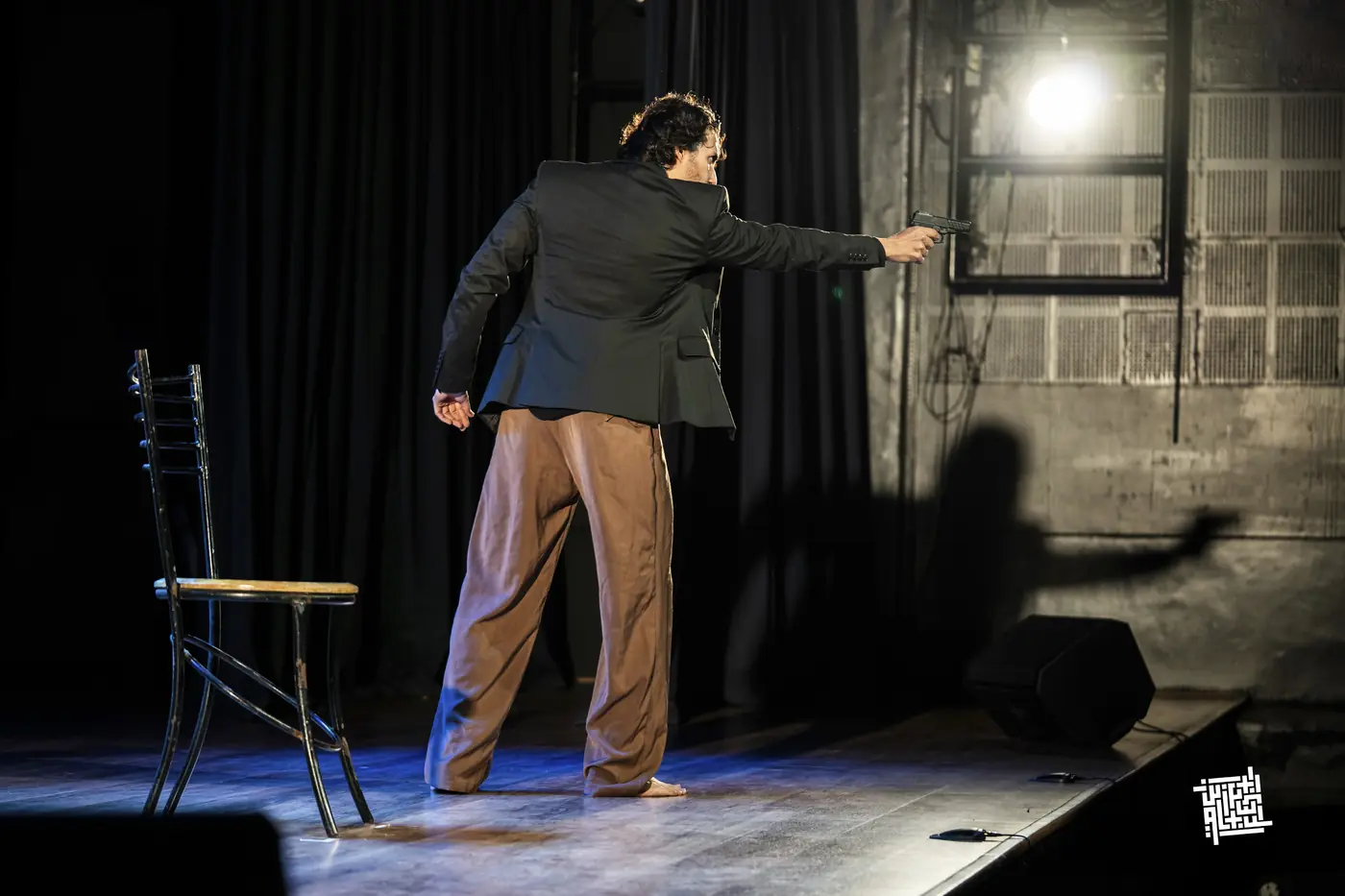
Senior people are skilled at giving the right answer in a discussion. In rehearsal, the right answer doesn't help; only the behaviour does. Directors, voice and movement practitioners, musicians and filmmakers work on how leaders sound, stand, listen and tell the story of where the organisation is going.

Delivered run for a client Designed ready to run Pilot new, run first at a reduced fee
Voice work and status exercises, then a rehearsal of a real moment coming up: a town hall, a board update, a difficult announcement.
What we trackA short talk on video at start and end, rated against a simple rubric; peer feedback from the real event.
In ensemble improvisation nobody can hold the music alone. Structured exercises make leading, following and handover explicit, then the team debriefs against its own meeting habits.
What we trackA Floor Audit of a real leadership meeting before and after.
Leaders find the story in their strategy, then tell it and are coached through several runs by storytellers and filmmakers.
What we trackHow accurately teams restate the message two weeks later.
A realistic scene from your context is played, stopped, and replayed with a different move. Options are tested, not discussed.
What we trackSelf-reported avoided conversations before and after; direct-report feedback at 90 days.
Precedent
RADA Business, London
A drama school's methods in boardrooms.
Presence and communication can be trained the way actors train them.
The Music Paradigm
Executives sit inside a working orchestra.
Leadership becomes visible when you sit inside the ensemble.
From our own work
Our theatre, voice and film faculty includes a Sangeet Natak Akademi awardee and a National Award-winning filmmaker.
Talk to us about leadership For top teams, see Leadership Studio.
04 · Inclusion and voice
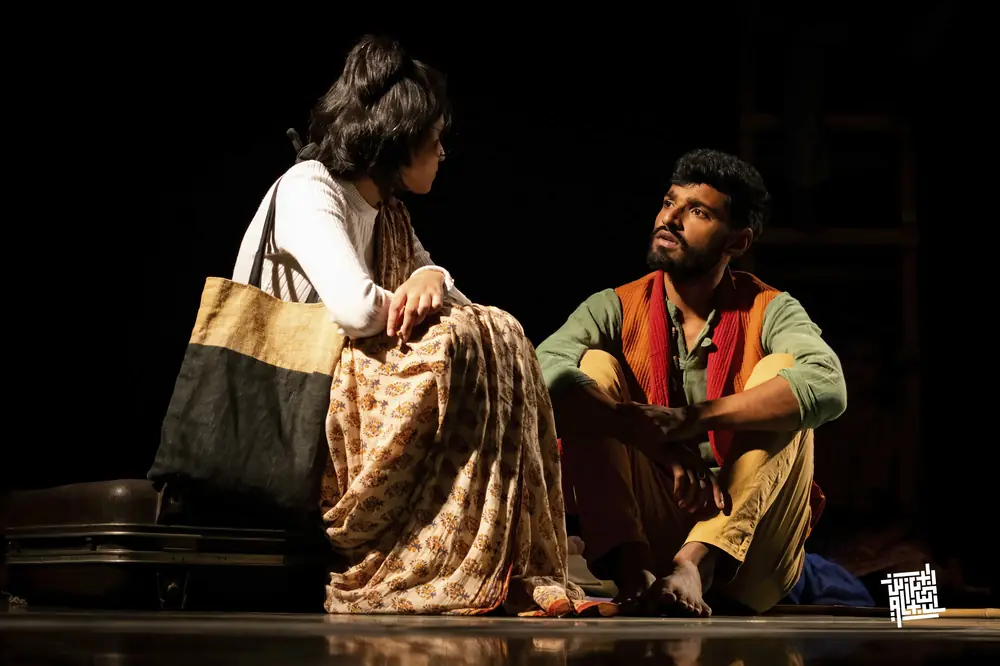
Awareness training tells people what they already know. The everyday patterns that shape inclusion (who interrupts whom, whose idea gets credited, who is quietly protected from difficult assignments) are automatic. In male-majority workplaces they are nearly invisible to the people who benefit from them. Theatre, movement and live observation let a room see its own patterns, without anyone being accused and without asking the few women in the room to testify.
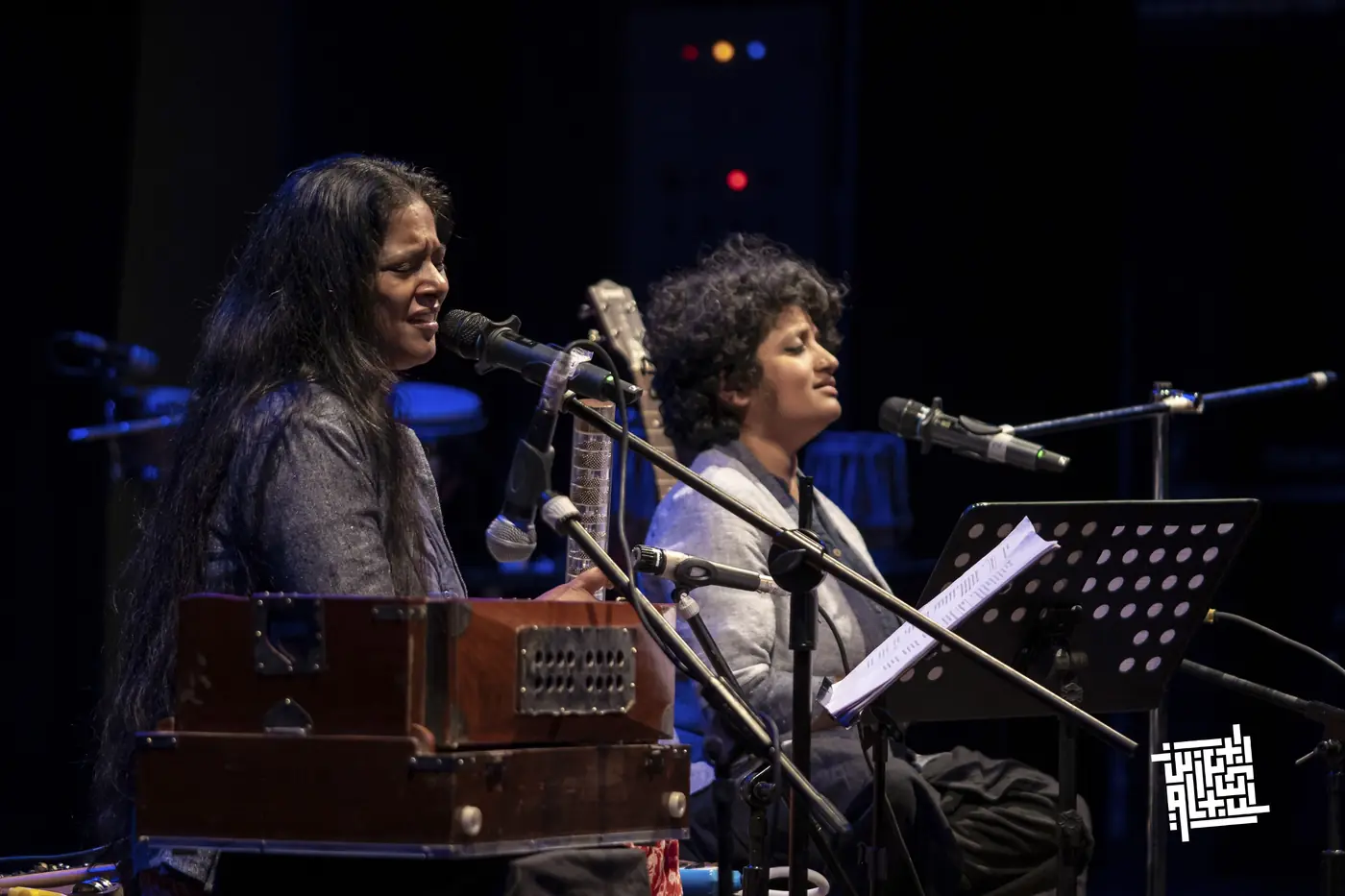
Delivered run for a client Designed ready to run Pilot new, run first at a reduced fee
Voice and body work, scenes built from participants' everyday interactions, rehearsal of assertive responses, and a peer support structure that continues after the programme. Delivered for women professionals at a large FMCG conglomerate.
What we trackBefore-and-after self-assessment on named situations; participation in team meetings at 60 days.
Day one uses the Floor Audit and Nine Seconds to show the room its own patterns. Participants carry three observation prompts through a normal working week. Day two rebuilds real scenes from what they saw, rehearses alternatives, and logs commitments with HR.
What we trackAirtime spot audits in regular meetings; assignment distribution over a quarter; commitments completed at 90 days.
Policy changes at the top, but culture changes in the middle, where unit heads decide who gets stretch assignments. The morning makes structural advantage physical through movement; the afternoon maps access in each manager's own team and rehearses an equitable meeting.
What we trackThe commitment log, one named person each manager sponsors for 90 days, and a follow-up Floor Audit in one of their meetings.
Scoped around three areas a client named: digital communication behaviour, unconscious role assumption, and workspace dynamics among men. Designed once seniority and questionnaire responses are in.
What we trackSet at Diagnose.
Our design rules for this work: women are never made the evidence; data comes from observed behaviour; a separate women's caucus controls what reaches the main room; facilitation is always mixed-gender, one male and one female practitioner, so the room sees the dynamic it is working towards.
Precedent
IFAD (United Nations)
Forum theatre on unconscious gender bias.
People rehearse a better response before they need it.
WZB Berlin review
What 268 studies say, and what they miss.
They found no case where management set success criteria in advance. We do that first.
From our own work
Two-day programmes for women professionals at a large FMCG conglomerate, followed by a mixed-gender design.
Talk to us about inclusion See the flagship case below.
05 · Teams and generations
Four generations, three working styles and two offices make for meetings full of sequential monologues. Friction between managers and younger employees is usually misread as attitude; it is a collision of mental models. Musicians know this problem well: an ensemble only works when people listen while they play. We use music, sound and collective making to work on how teams think, decide and belong together.
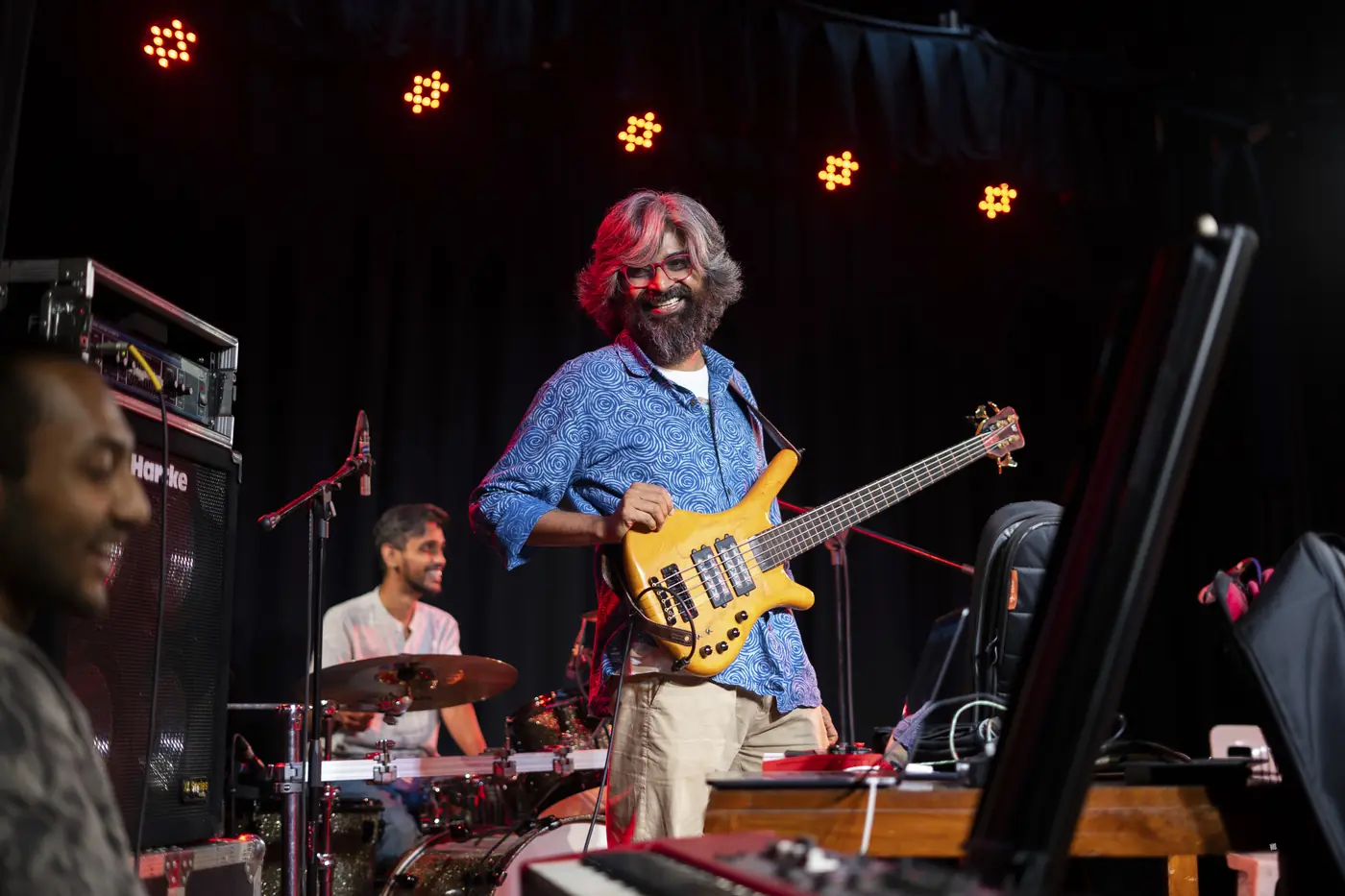
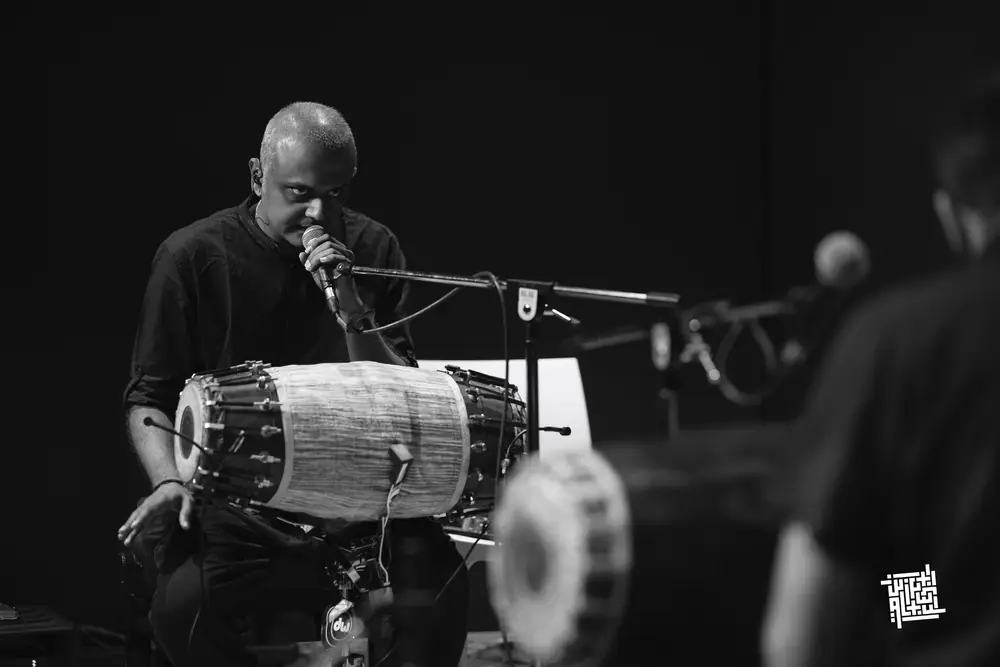
Delivered run for a client Designed ready to run Pilot new, run first at a reduced fee
Section-by-section songwriting, rehearsal, and a company-wide performance. Delivered in an aircraft hangar for a global life-sciences technology company. HR receives an observation brief on who led spontaneously. Sold as a culture experience, not as training.
What we trackParticipation rate; how HR uses the leadership-pattern brief.
Both sides tell their stories in separate groups first. Playback theatre performs a manager's frustration from the younger employee's view, and the reverse, so nobody has to defend themselves. The group then makes music across its different rhythms and agrees a manager toolkit for the most common friction points.
What we trackA short pulse on cross-generation trust before and at 60 days; use of the toolkit.
Without their teams in the room, managers can be honest about frustration. They test their hardest situations against the six patterns and rehearse the conversations until new responses feel usable. Each leaves with a personal communication card and two behaviour changes shared with a peer.
What we trackThe two behaviour changes, checked with the peer at 30 days.
Improvisation and devising exercises that reward building on an offer. The team applies them to a live problem and generates options before choosing.
What we trackNumber of options generated on the live problem compared with the team's usual process.
Precedent
Orpheus Chamber Orchestra, New York
An orchestra with no conductor.
Shared, rotating leadership is a practice, not a slogan.
AIRIS, Sweden
Artists in residence inside ordinary companies.
It works when both sides commit, and effects need to be measured, not assumed.
From our own work
A mass songwriting workshop in an aircraft hangar for a global life-sciences technology company, ending in a performance by the whole workforce.
06 · Sales and the pitch
Theatre rehearsal is a method for turning material into a performance that holds under pressure. Improvisation trains the one move every objection needs: accept the unexpected offer and build on it. Both are taught by directors and improvisers who do this for a living.
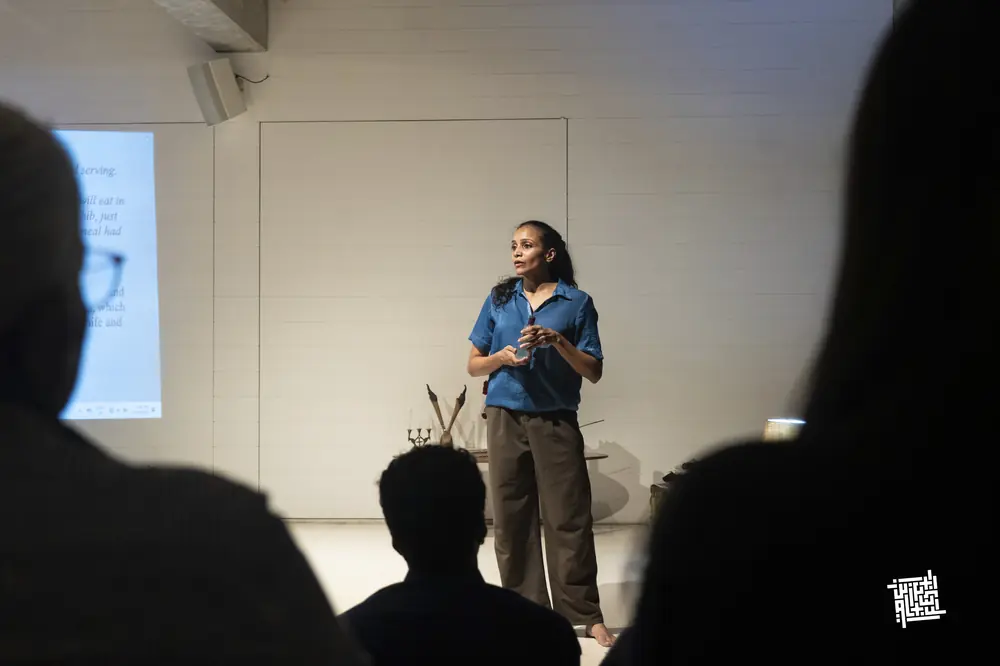
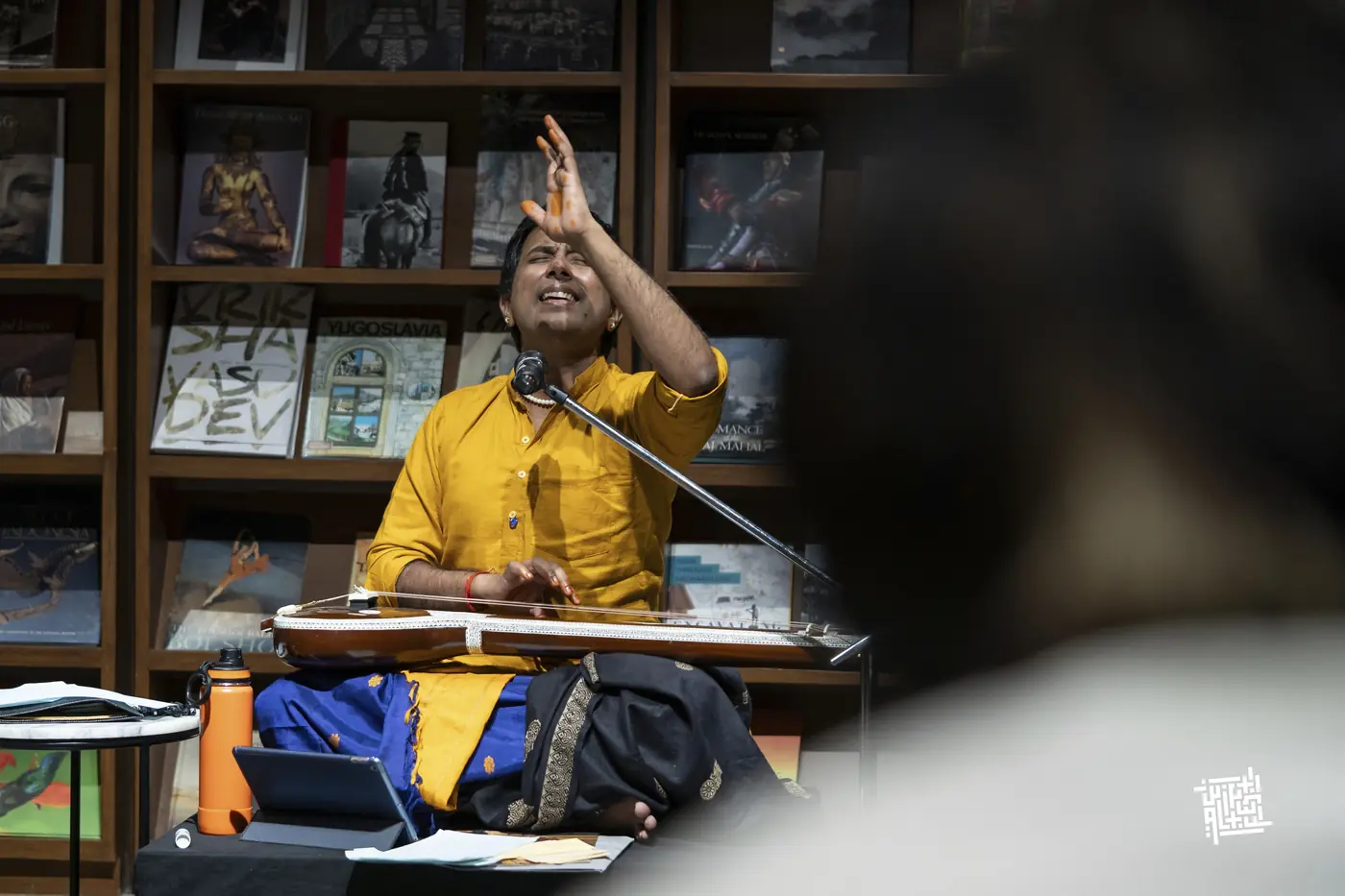
Delivered run for a client Designed ready to run Pilot new, run first at a reduced fee
The team runs its real pitch, takes notes from a director, and runs it again. A technical rehearsal covers handovers, clickers and what happens when something fails.
What we trackTimed run against the slot; handover stumbles from first to final run; the pitch result, reported by you.
Improvisation fundamentals, then escalating role-play using your team's real objections, collected at Diagnose.
What we trackFacilitator-coded responses across the day; manager observation of two live calls at 30 days.
Precedent
RADA Business, London
A drama school's methods in boardrooms.
Presence and communication can be trained the way actors train them.
From our own work
Directors and improvisers from our theatre faculty run The Pitch Rehearsal on your real material.
Book a pitch rehearsal Women in field sales: see Voice and Agency.
Art is the wrong tool for skills gaps, process failures or policy questions. If a diagnosis points there, we will say so.
Recognise one of these behaviours in your own teams?
Tell us the behaviour in three lines. We'll reply with whether art is the right tool for it, and if it isn't, what is.
Describe your problem Download the brochure (PDF, 4 MB)Five stages, in the language of a theatre production. The content changes with each organisation; the discipline of how we build it does not. The indicators set at Diagnose are the ones reported at Review.
Conversations with the sponsor, HR and a sample of participants. The behaviour named precisely.
You getA one-page brief with 3 to 5 agreed indicators.
We choose practitioners whose discipline works on that behaviour, and tell you why.
You getA named team, with the reason for each discipline.
The programme is built with your team, from your real meetings, pitches and scenes.
You getA session plan you sign off.
Delivery in rehearsal conditions: on your site, at W.I.P aDDa in Delhi, or on residency.
You getThe programme and facilitator notes.
A report against the agreed indicators, and a follow-up at 30 to 90 days.
You getPatterns (never individuals), a commitment log and a recommendation.
Whatever the art form, a session moves through the same four stages, so the room sees its own behaviour, practises another way, and leaves with something HR can follow up.
Agreements and somatic grounding. This is neither compliance training nor a tribunal.
The behaviour made visible, using the room's own conduct.
The alternative practised repeatedly, with notes.
Specific, dated commitments handed to the organisation.
Observers code a live discussion: who speaks first, airtime, interruptions, and ideas later credited to someone else.
A timed leaderless task. Who takes the pen, the front and the summary, and how fast.
The same feedback delivered to two different colleagues, performed and played back.
Three narrow prompts carried into a normal working week between two workshop days.
Every behavioural commitment, held by HR for follow-up.
Five dimensions of team culture rated from Absent to Embedded, at baseline and review.
For longer engagements, we find out how people actually behave in rooms together, not what surveys report. Interviews, facilitated observation and a qualitative survey feed the Culture Map, which becomes the organisation's own reference point for the year.
| Dimension | Absent | Emerging | Developing | Embedded |
|---|---|---|---|---|
| Voice and participationWho speaks, who is heard, who defers | Some groups routinely dominate. Interruptions go unremarked. | Some advocates for equal participation, but it depends on the manager. | Broadly encouraged. Meeting norms exist. Quieter voices still struggle. | All voices actively drawn out. Leaders model listening. |
| Power and hierarchyHow rank shapes communication | Hierarchy is rigid. Junior staff never challenge upward. | Some open teams, but power differentials dominate most interactions. | Upward communication possible. Structural deference remains. | Power exercised with accountability. Dissent is safe and valued. |
| Psychological safetyWhether people can speak and fail honestly | People self-censor routinely. Honesty is a career risk. | Safety exists in close teams. Candid in private, not in rooms. | Most feel they can raise concerns. Sensitive issues remain unsafe. | People name problems without fear. Failures discussed openly. |
| Representation and visibilityWhether diverse identities are seen and valued | Absent at senior levels. Difference ignored or treated as exceptional. | Present at junior levels. Senior leadership remains homogeneous. | Acknowledged, but visibility is uneven across groups. | Diverse identities present at all levels. Difference is an asset. |
| Peer support and solidarityWhether colleagues support each other across difference | No culture of allyship. Support is transactional. | Some individual allies. No shared language for support. | Some peer support culture. Cross-group solidarity is weak. | Allyship practised across difference, with a shared language. |
Scoping, structured interviews across cohorts, observation sessions and a survey. Produces the first Culture Map, a synthesis report and a recommendations brief that shapes the intervention.
A compressed check-in once workshops are under way. An updated map shows what shifted, what did not, and what to adjust.
The full audit repeated with the same instruments, so all three maps can be read side by side, with recommendations for year two.
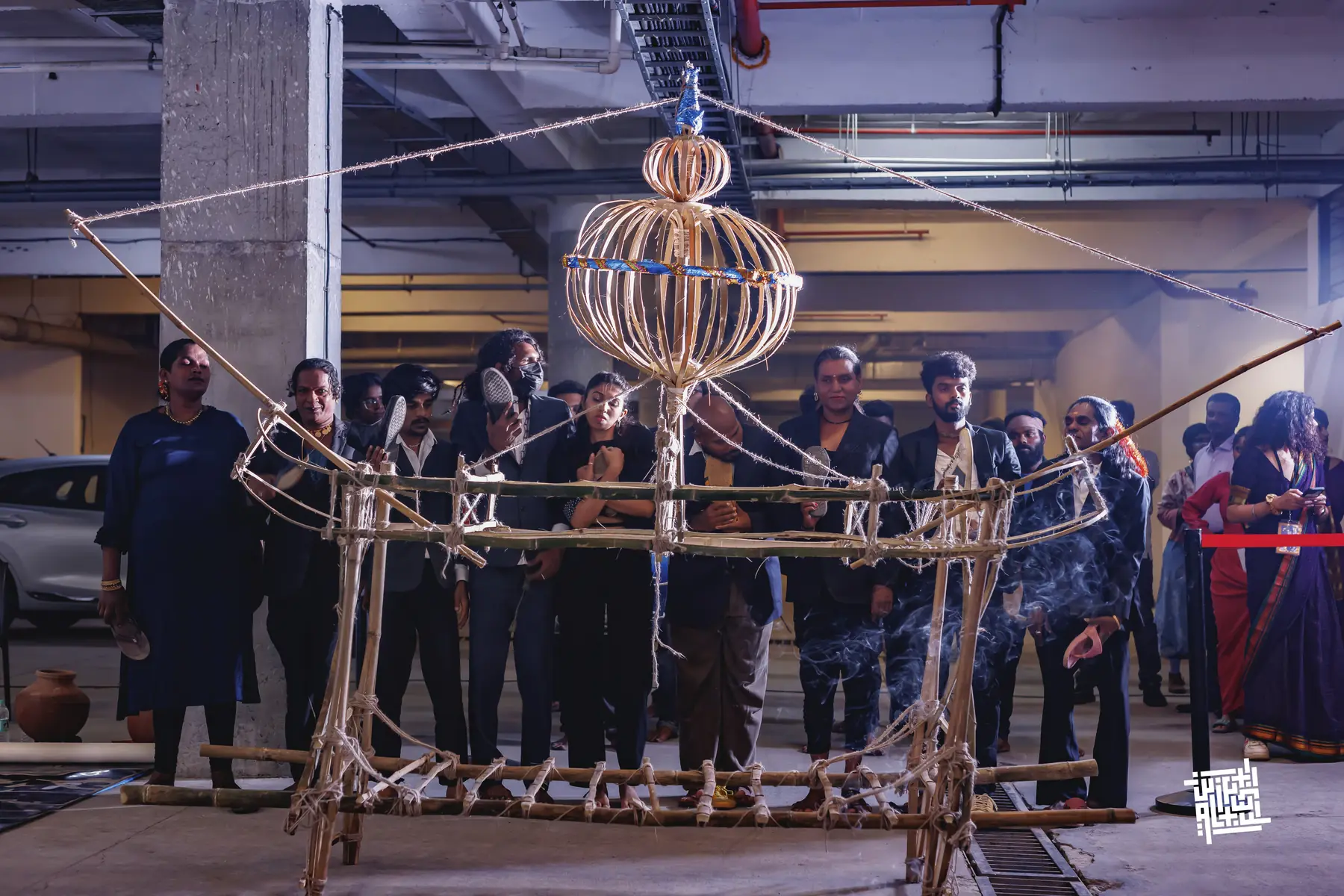
Any programme area can run in any format. Most organisations start with an Intervention on their own turf. Residencies are for when a team needs distance from the office's routines to see its own patterns.
Start here
A focused programme on one diagnosed behaviour.
Away from the office
A team leaves the workplace for an artistic environment built around its brief.
For the top team
Senior teams working with senior artists, including international faculty, on how the top table actually runs.
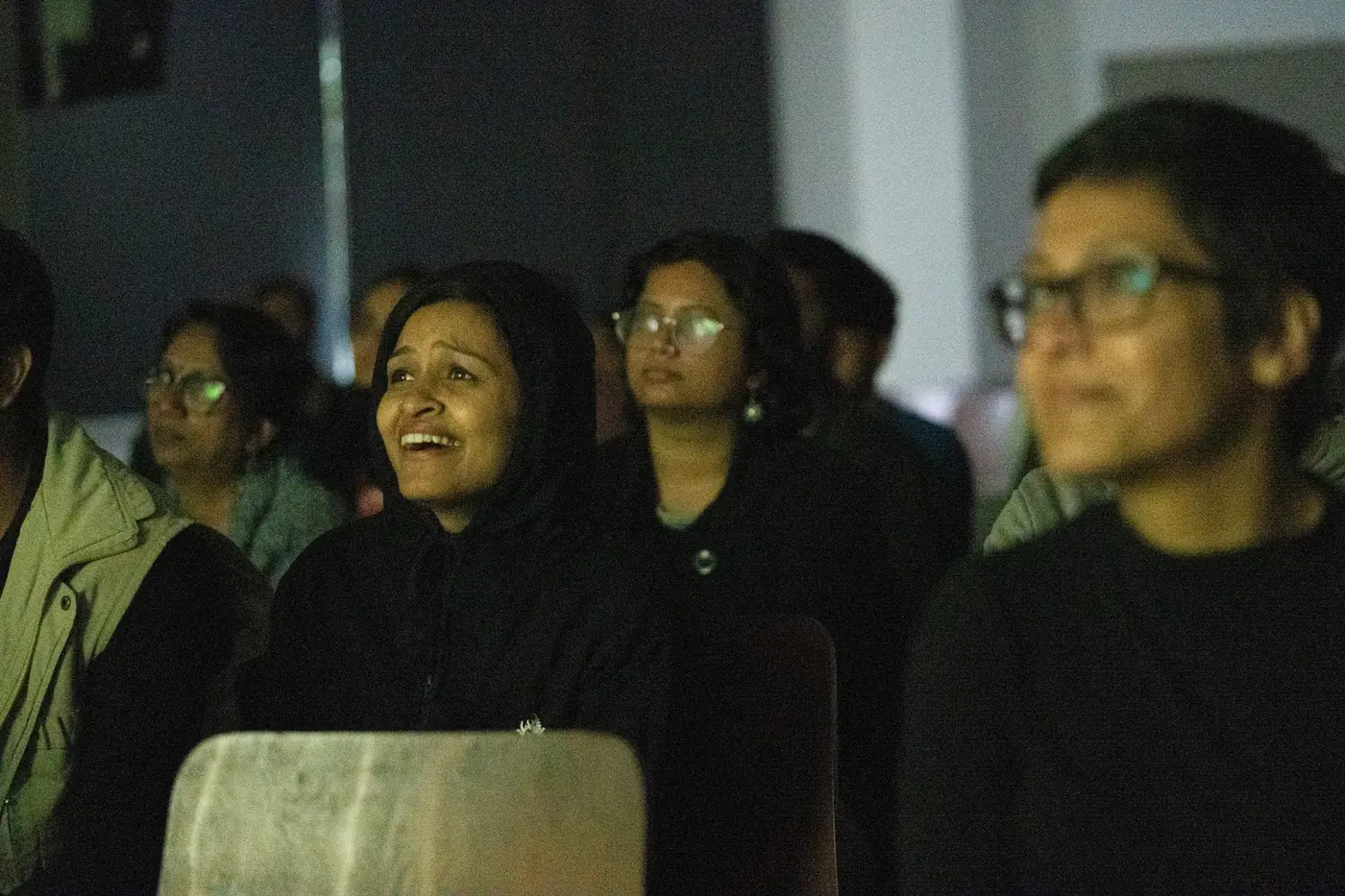
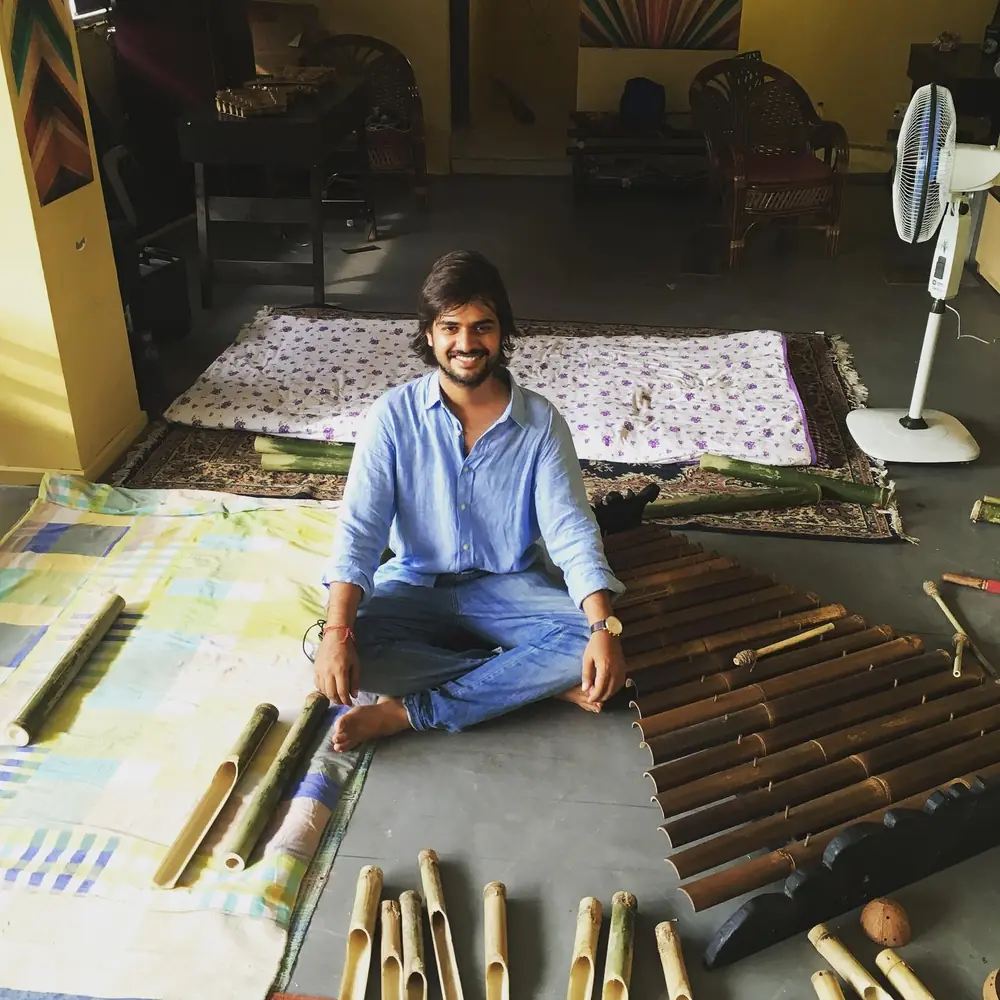
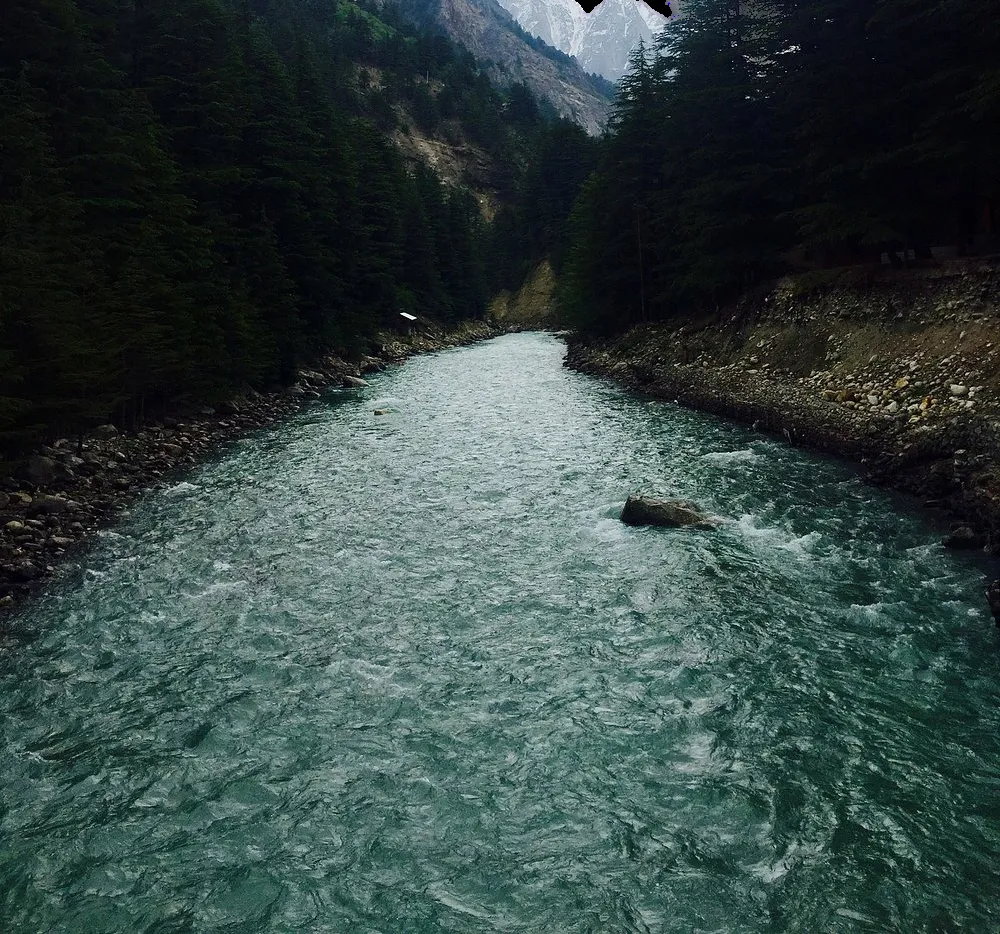
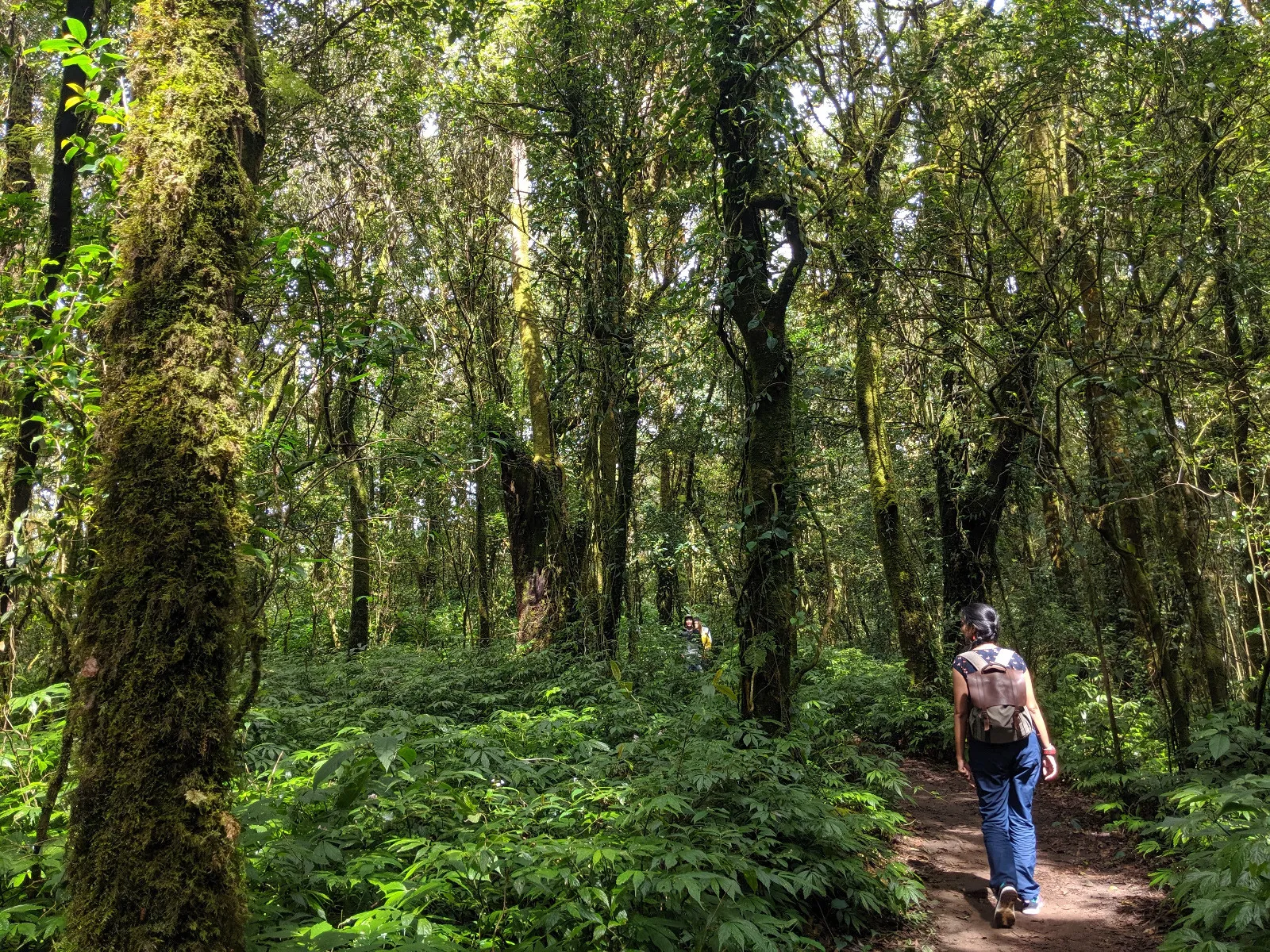
One question, one lead discipline, one real decision. The team brings a live question it has to decide. The days repeat a pattern, because repetition is where behaviour changes. Scenery alone does not do that.

Three hours of practice in the lead discipline, building across the days.
The same practice applied to the team's real material.
Unstructured time: walks, foraging, rest. Part of the design.
Time with working artists: an intimate performance, a listening session, a meal built around a chef's practice.
A Review session at 30 to 90 days against the agreed indicators.
Venues are chosen for each client's brief, group size and budget, from Himalayan mountain lodges to heritage palaces and luxury resorts. W.I.P handles travel, stay, food and beverage. We are not tied to any one property; these are the kinds of places we work in.
Mountain lodges
Himachal Pradesh
Lodges and retreats in less-visited Himachal valleys, including the Banjara Valley Retreat in an apple orchard on the Baspa river in Sangla.
Heritage boutique
Rajasthan, Himachal Pradesh, Uttarakhand
Restored heritage properties, among them Brij Lakshman Sagar, a 19th-century hunting lodge by a lake in Pali, Rajasthan.
Luxury
Near Shimla
A former Lord Kitchener estate at 8,250 feet in cedar and pine forest, suited to small executive retreats.
Luxury
Near Rishikesh
A destination spa resort in the Himalayan foothills, for leadership teams who want rest built into the programme.
Practitioners who shape the time between sessions: meals, walks and evenings.
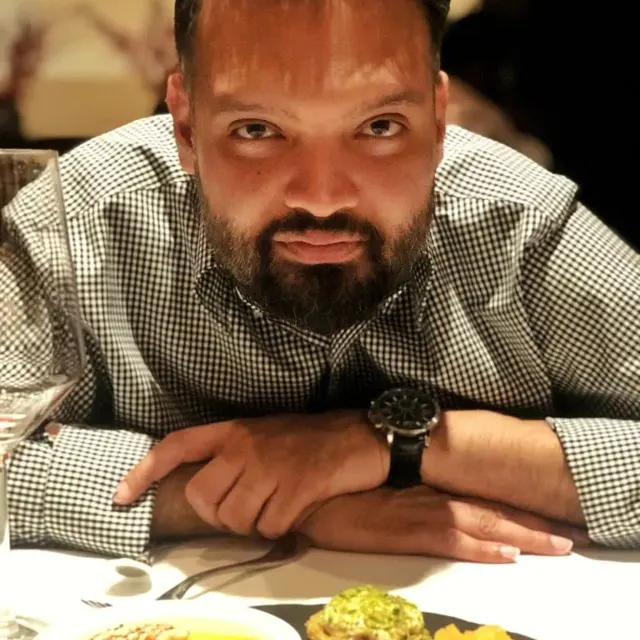
Chef and food researcher working at the intersection of culture and cuisine.
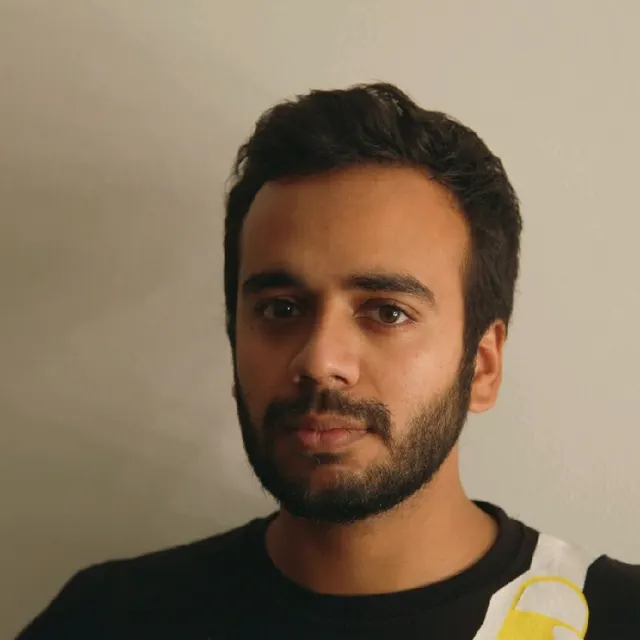
Wilderness educator and forager across the Himalayas and the Western Ghats.

Sommelier and wine educator, certified by the Court of Master Sommeliers, with a master’s in hospitality from Victoria University, Melbourne. Tastings and food pairing on residency evenings, where the client wants them.
Client work is confidential, so we describe it by sector, scale and problem. Named references are available one-to-one once we are in serious discussion.

Flagship · DEI in male-majority field sales
“After the workshop we kept supporting each other. It helped us understand ourselves, and now I handle difficult situations better: I am more assertive, I control my voice, and I know what my body is saying.”
A frontline sales participant, FMCG programme. Paraphrased from participant feedback.
Life sciences · whole workforce
A mass sound and songwriting workshop for a global life-sciences technology company, ending in a performance by the whole workforce. Facilitators observed who led spontaneously, and HR received the patterns.
Corporate team · male-majority
For a team where women were less vocal. During the session, more decisions and musical cues came from women, and HR gained a clearer view of gendered dynamics.
Management education
For a leading Indian business school: deep listening, sonic modelling and prototyping in Processing, Strudel and p5.js, for systems thinking and comfort with ambiguity.
Across corporate programmes, education and performance, W.I.P Labs and its practitioners have worked with these organisations. Not every logo is an ART Immersion client; we will tell you which work was which.
From an AI lab at Stanford to a drama school in London, organisations have brought artists in and changed what they make and how they work. These are the precedents our programmes build on, with sources.
Technology and AI · 1967 to 1983
Stanford University × Yamaha
Composer John Chowning discovered FM synthesis in 1967 while making music on the computers of Stanford's Artificial Intelligence Laboratory. Stanford patented the method and licensed it exclusively to Yamaha, whose DX7 synthesiser launched in 1983.
The licence earned Stanford more than $20 million, its second most lucrative ever at the time.
Source: Stanford News Service; Computer History Museum
Technology and AI · Ongoing
MIT Media Lab, Opera of the Future
Tod Machover's group builds hyperinstruments, used by Yo-Yo Ma, Prince and Peter Gabriel. Two of his students founded Harmonix, which made Guitar Hero (2005) and Rock Band.
Research led by an artistic question produced products, companies and new forms of participation.
Source: MIT Media Lab; MIT News
Technology and AI · 2007 onwards
EPFL+ECAL Lab, Switzerland
The lab joins Switzerland's federal institute of technology with the art school ECAL to study how people actually experience new technology. Partners include Vacheron Constantin, Logitech, Microsoft and Richemont.
Design research turned emerging technology into something customers want to touch.
Source: EPFL+ECAL Lab
Technology and AI · 1966 to 1970
Bell Labs × E.A.T.
In 1966 ten New York artists worked with 30 engineers and scientists from Bell Telephone Laboratories on 9 Evenings: Theatre and Engineering. It led to Experiments in Art and Technology and the Pepsi Pavilion at Expo '70 in Osaka.
Engineers working to an artist's brief built things no specification would have asked for.
Source: E.A.T. overview
Technology and AI · 1990s
Xerox PARC, PAIR programme
PARC's Artist in Residence programme placed artists alongside its scientists in one-to-one pairings, using technology as a common language between disciplines that rarely meet.
The pairing itself, not a workshop, was the method.
Source: ISEA archive
Technology and AI · 2016 onwards
Google, Artists + Machine Intelligence
Google launched AMI in 2016 to bring artists and engineers together to make new work with machine learning, opening with a DeepDream exhibition in San Francisco with Gray Area.
Even the largest AI companies use artists to explore what the technology means.
Source: 9to5Google
Well-being · 2019
World Health Organization
A WHO Europe scoping review led by Daisy Fancourt and Saoirse Finn synthesised over 3,000 studies and found a role for the arts in preventing ill health, promoting health and managing illness.
Arts engagement is low-cost and multi-modal, which suits complex problems.
Source: WHO Europe; Jameel Arts & Health Lab
Well-being · Recent
EPFL+ECAL Lab × Pro Senectute Vaud
The Resoli app, designed with a Swiss foundation for older people, now counts more than 5,000 events organised by older people in the canton of Vaud.
Design that starts from how people feel gets used.
Source: EPFL+ECAL Lab
Leadership · 2001 onwards
RADA Business, London
The Royal Academy of Dramatic Art has trained people at work since 2001, for law firms, retailers, media companies, universities and governments in more than 30 countries. Profits fund the training of actors and technicians.
Presence and communication can be trained the way actors train them.
Source: RADA Business
Leadership · Late 1990s onwards
The Music Paradigm
Conductor Roger Nierenberg's programme embeds corporate professionals inside a symphony orchestra so they can watch how musicians and conductor actually lead and follow.
Leadership becomes visible when you sit inside the ensemble.
Source: Princeton Alumni Weekly
Teams · Ongoing
Orpheus Chamber Orchestra, New York
Orpheus works without a conductor. Leadership rotates to whoever the music needs, and its former executive director Harvey Seifter set out the method for managers in the book Leadership Ensemble.
Shared, rotating leadership is a practice, not a slogan.
Source: HR Reporter
Teams · 2000s
AIRIS, Sweden
Musicians, actors, painters and choreographers worked inside Swedish companies for ten months. Staff responded positively; the 2005 evaluation found limited effect on workplace climate, the 2006 evaluation more positive effects.
It works when both sides commit, and effects need to be measured, not assumed.
Source: Chalmers research
Inclusion · 2021
IFAD (United Nations)
The UN's International Fund for Agricultural Development used Augusto Boal's forum theatre with staff to examine gender bias at work. Participants stepped into the scene to try alternatives.
People rehearse a better response before they need it.
Source: FAO / IFAD
The research · 2013
WZB Berlin review
Ariane Berthoin Antal and Anke Strauß reviewed 268 publications on artistic interventions covering 205 organisations. The most documented effects were people seeing more and differently, and a sense of activation.
They found no case where management set success criteria in advance. We do that first.
Source: WZB Discussion Paper
Five levels. We report the first four directly. The fifth is yours to track, and we never claim it as our effect.
Relevance, safety and intent to apply.
HowA short exit survey with specific items
WhenEnd of programme
Reported directlyChange during the programme.
HowFacilitator coding, first versus final run, video rubric
WhenDuring
Reported as patterns, never individualsHow the group works.
HowFloor Audit, Nine Seconds, ensemble observation
WhenDuring, and in one real meeting after
Reported, as a snapshotUse at work.
HowSelf-assessment, manager observation, commitment log
When30 to 90 days
Reported as association, not causeBusiness-level signals you choose.
HowAssignment spread, segment attrition, survey items, pitch win rate
When3 to 12 months
Tracked by you; never claimed by usToo much else moves at the same time. Any rupee figure from a single programme would be made up.
Observations are never used for appraisal. If they were, the room would stop being honest.
Most people enjoy artistic work. We report behaviour, not applause.
ART Immersion is run by the team behind W.I.P Labs: people trained in engineering, law and management who have spent careers making art at a high level, now bringing that work inside organisations. Every programme has a W.I.P learning lead who owns the brief, the measures and the Review.
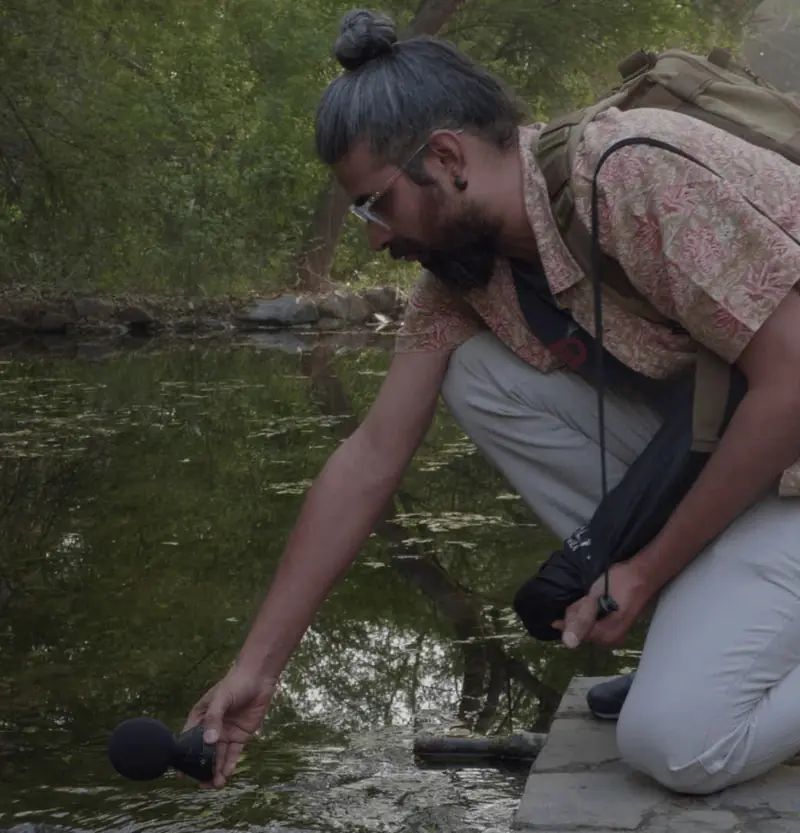
Founder and Artistic Director
Anirban Ghosh (Baan G) is the founder and artistic director of W.I.P Labs, where he curates and produces W.I.P altFEST, PORTALS at the Goethe-Institut / Max Mueller Bhavan, the Listening Otherwise conference and the programme at W.I.P aDDa. He is the founder of the art-rock collective Dastaan LIVE, whose rock opera Kabira Khada Bazaar Mein has played more than 50 stages in 15 cities; founder of the Dilli Improvisers Orchestra, India’s first improvisers’ orchestra, formed with Raymond MacDonald of the Glasgow Improvisers Orchestra; and Managing Trustee of the Aagaaz Theatre Trust.
He came to the arts through technology and business. A computer science graduate who started at HCL Technologies, he studied at IIM Lucknow and on the Creative and Cultural Business Programme (CCBP) at IIM Ahmedabad, and was an Executive Producer at a national TV channel in Mumbai. He was offered places on programmes at Harvard, Goldman Sachs, Leuphana University and THNK, which he declined. Before W.I.P he ran workshops for corporate clients, from drum circles to employee-engagement sessions; ART Immersion is the in-depth practice that grew from that work. He teaches managers at IIM Ahmedabad and artists at CEPT and Ashoka, so he knows both rooms: what a team needs from a day, and what an artist needs to make that day real rather than a team-building exercise.
His sound and music have been presented at the Venice Architecture Biennale, the Edinburgh Fringe, Kampnagel in Hamburg, Trinity Laban and the Southbank Centre in London, GIO Fest in Glasgow and the Graz International Improvisation Festival, on a European tour through Paris, Rennes, Barcelona, Berlin and Rotterdam, and across seven African countries on an ICCR tour. In 2026 he was part of Pro Helvetia’s international delegation to ETH Zurich, EPFL+ECAL Lab, ZHdK and CERN. He is a Fellow of the Royal Society of Arts and was named one of India’s seven Young Creative Entrepreneurs by the British Council.
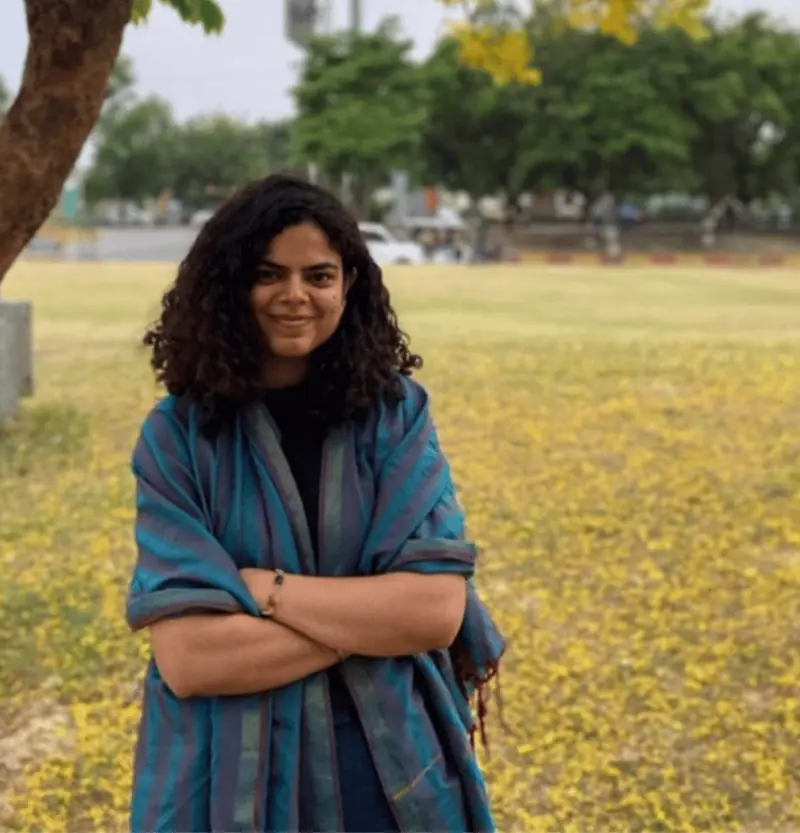
Founding and Managing Partner, and Executive Director
Kirti studied law at a National Law University and practised at Amarchand Mangaldas, one of India’s tier-one law firms. She cleared the Indian Navy's Judge Advocate General (JAG) examination. She learned business before law: she worked in her father's printing business from a young age and later ran her own bakery. As an intellectual property lawyer she drafts IP policies for universities and educational institutions and advises artists, collectives and communities on their work, one of the few lawyers working where art, society and law meet. She is part of the Goldman Sachs 10,000 Women programme at IIM Lucknow, and teaches at CEPT University.
She worked on two editions of the Mahindra Sanatkada Lucknow Festival, leading national media and press, and has produced and curated more than 300 shows. At W.I.P she runs partnerships, operations and programmes, including the W.I.P CAE university programme, Gali Gali Cinema and the W.I.P WinterSKUL on Majuli. On ART Immersion she leads partnerships, contracts and client relationships.
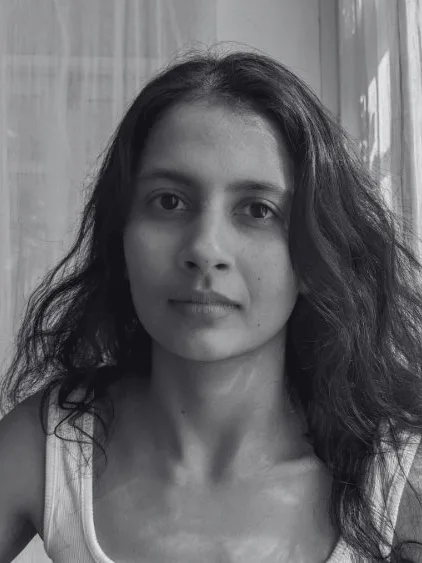
Project Manager, ART Immersion
Pallavi is your day-to-day contact, from scoping and scheduling to delivery and follow-up. She holds a B.E. in Computer Engineering from Netaji Subhas Institute of Technology, Delhi University, and worked in the corporate sector before moving into performance.
She trained in Kathak for nine years at Bharatiya Kala Kendra, is an empanelled Doordarshan Kathak artist, and holds a Master's in Performance Practice (Dance) from Ambedkar University Delhi. She was selected for the Kampnagel Dance Education Biennale in Hamburg and has presented work at Serendipity Arts Festival, India Art Fair and the March Dance Festival. She knows how organisations run and what it takes to practise an art form, which is ART Immersion in one role.
The people in your room include a Sangeet Natak Akademi awardee, a National Award-winning filmmaker and the production sound mixer on an Oscar-winning documentary. Every facilitator is a working artist, chosen at the Cast stage because their practice maps to your problem, subject to availability.
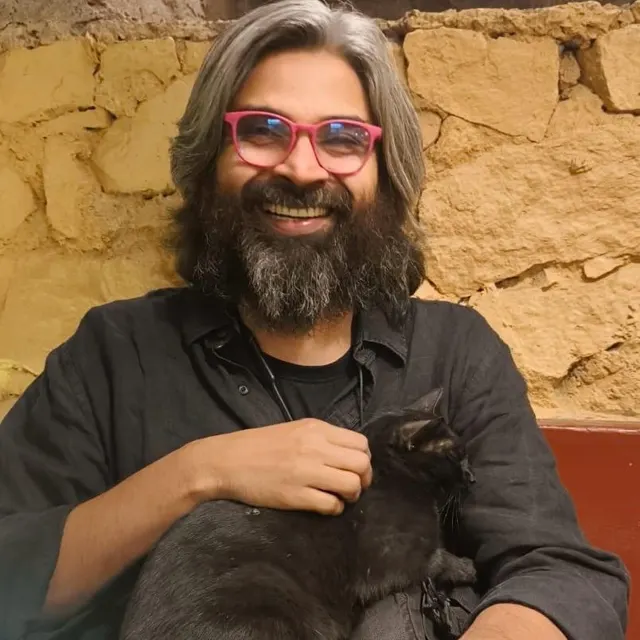
Sound and music
Interdisciplinary artist, composer, sound designer and educator. Founder and Artistic Director, W.I.P Labs.
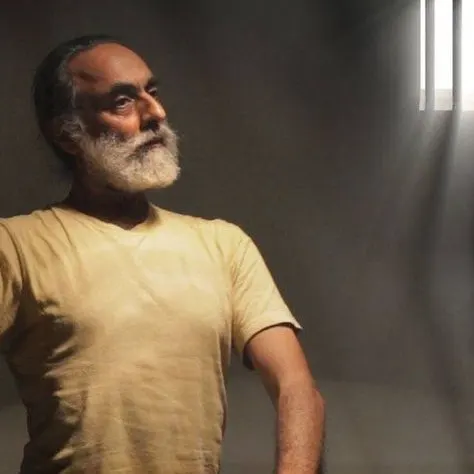
Dance and movement
Sangeet Natak Akademi awardee; dancer and yoga practitioner.
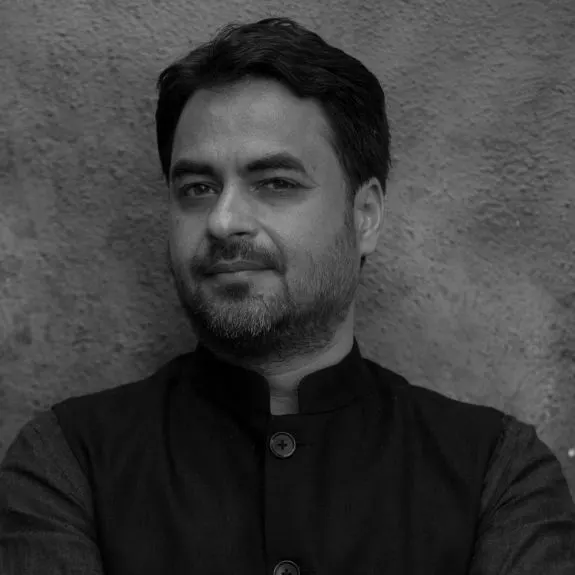
Film
National Award-winning filmmaker working on memory, landscape and community.
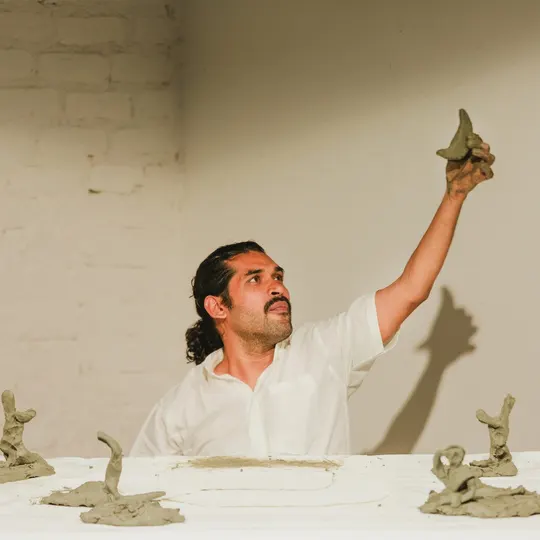
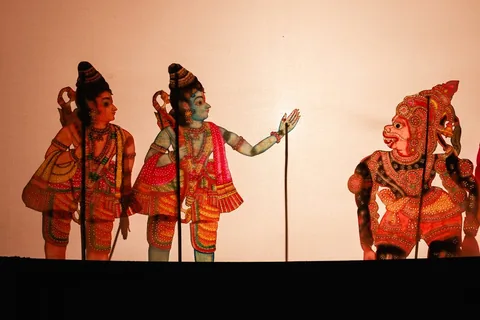
Puppetry
Master puppeteer in the Kathputli tradition, with more than 20 years of practice.
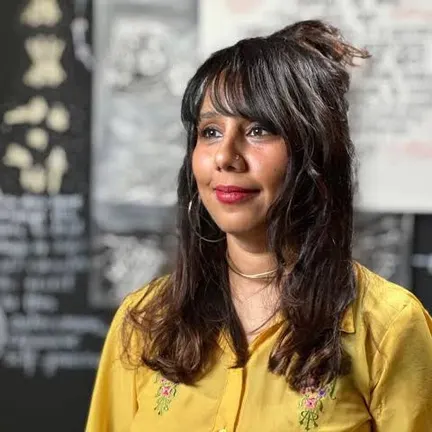
Movement and theatre
Berlin-based playwright and theatre practitioner; artistic director of the Lost Post Initiative.
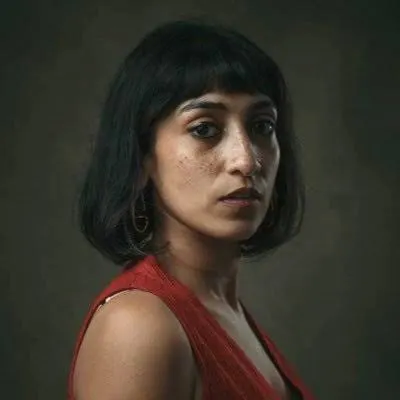
Theatre and somatics
Theatre practitioner and puppeteer; international fellow at Theatertreffen, Berlin.
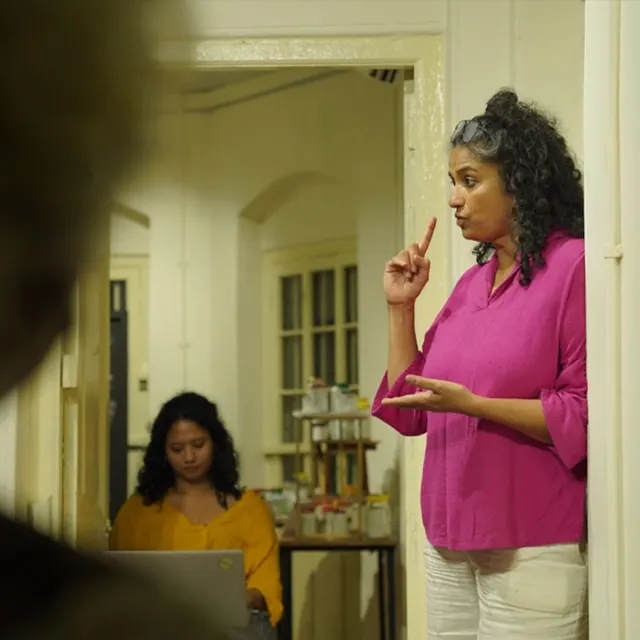
Theatre
Writer and theatre practitioner; co-founder of Sandbox Collective.
Movement
Choreographer and somatic practitioner; founder of Citizens of Stage Co Lab. Has performed at Kampnagel, Hamburg.
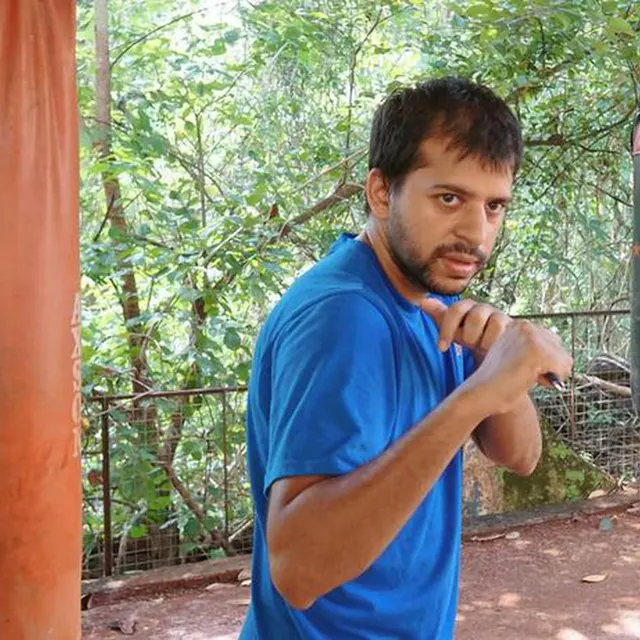
Martial arts and somatics
Kalaripayattu practitioner and somatic educator.
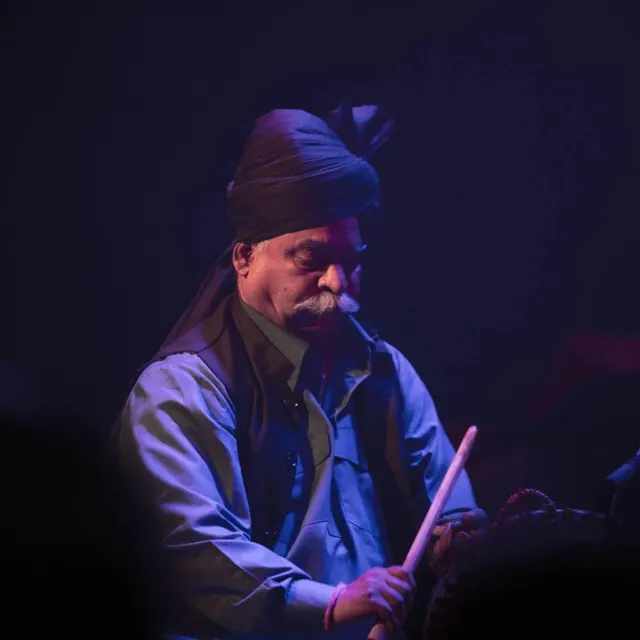
Percussion
Nagara player from Pushkar, from a family that has played at the town\'s Brahma Temple for thirteen generations. Recorded on Master Drummers of Rajasthan.
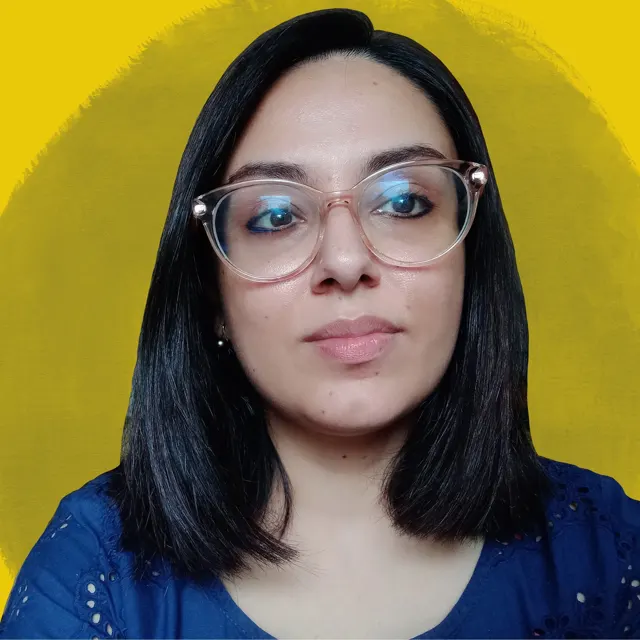
Visual art
Visual artist and educator working across identity, print and public art.
Practitioners from Creative Arts Exploration, W.I.P's university programme, cast into ART Immersion when a brief calls for their discipline. They include our live-coding network: live coders and music technologists from W.I.P altFEST who lead the Mindful AI programmes.
Sound recording and design
Production sound mixer on The Elephant Whisperers, winner of the Academy Award for Best Documentary Short. FTII alumnus.
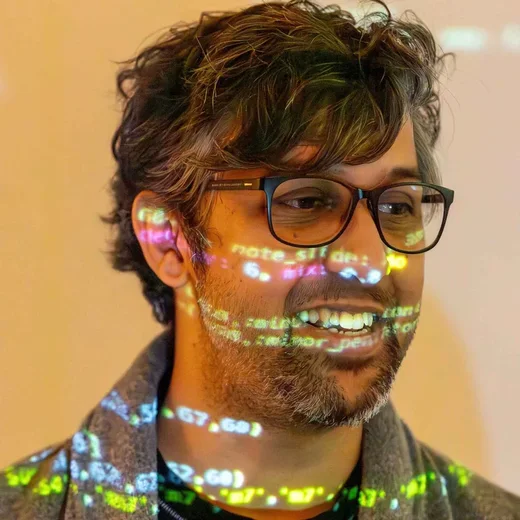
Live coding
Co-founder of Algorave India. Gets people with no programming background performing with code, quickly.

Immersive and interactive art
Founder of Curiouswala Studio: AI, live coding, projection mapping and interactive objects.
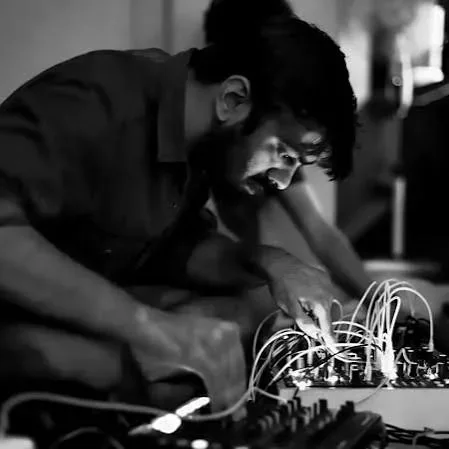
Modular synthesis and listening
Sound artist and educator; co-founder of the Dilli Improvisers Orchestra.
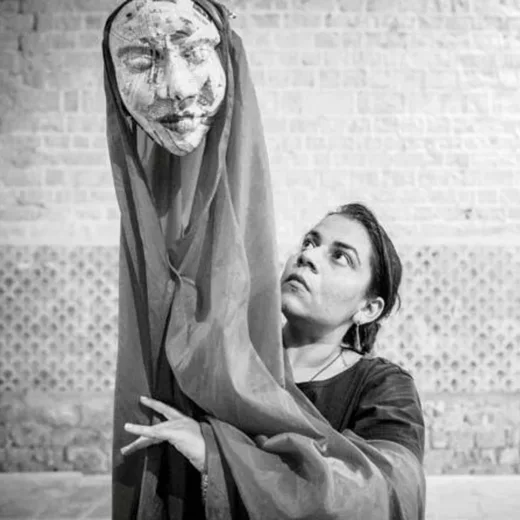
Puppetry and theatre direction
Founder of Katkatha Puppet Arts Trust. National Award in Puppetry; uses puppetry in education and peace-building.
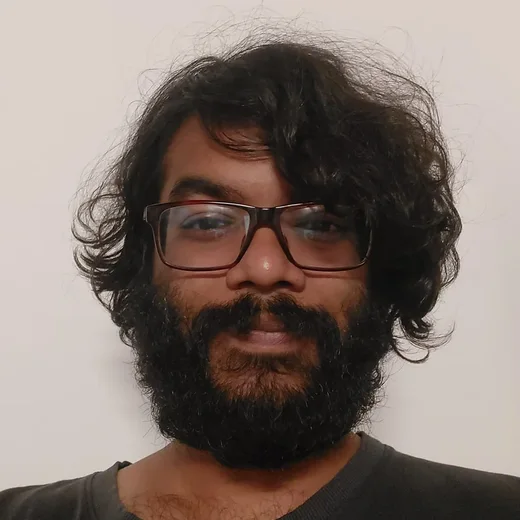
Puppetry and movement
Theatre-maker working with puppetry, movement and material storytelling. FTII and BITS Goa.

Choreography
Founder of Nachom Arts Foundation, Imphal. Has performed at Sadler's Wells, Tanz im August and Kyoto Experiment.
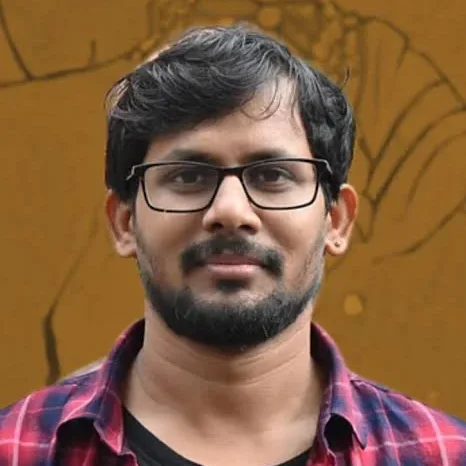
Theatre and devising
Actor, director and poet; Jangama Collective. Shankar Nag Theatre Award, 2023.
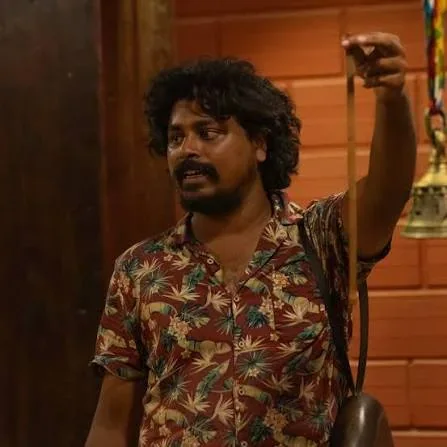
Folk percussion
Founder of Adavi Arts Collective, Bengaluru, reclaiming the Parai as contemporary practice.
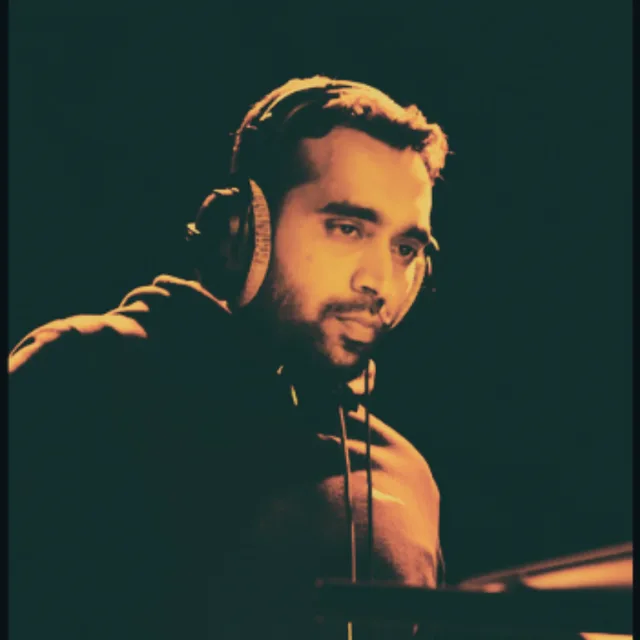
Music technology
Founder of the Himalayan Academy of Music Technology, Dharamsala.
Sound and creative coding
Sound design, audio programming and generative systems.
Sound and creative coding
Recording, sound design and code-driven audio.
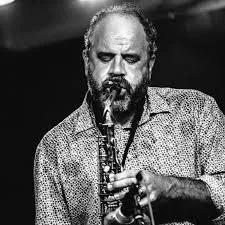
United Kingdom
Saxophonist and composer; Professor of Music Psychology and Improvisation, University of Edinburgh. Founder member of the Glasgow Improvisers Orchestra and mentor to the Dilli Improvisers Orchestra.

Switzerland
Professor of Immersive Arts, Zurich University of the Arts; author of three books from MIT Press. Work shown at the Venice Architecture Biennale and the Barbican.
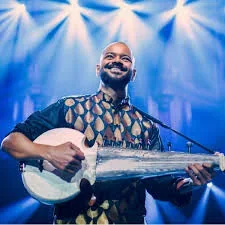
United Kingdom and India
Sarod player and composer; Aga Khan Music Award winner. Collaborator on W.I.P's Common Breath lab.
United States
Instrument maker and performer on his own invented instruments.
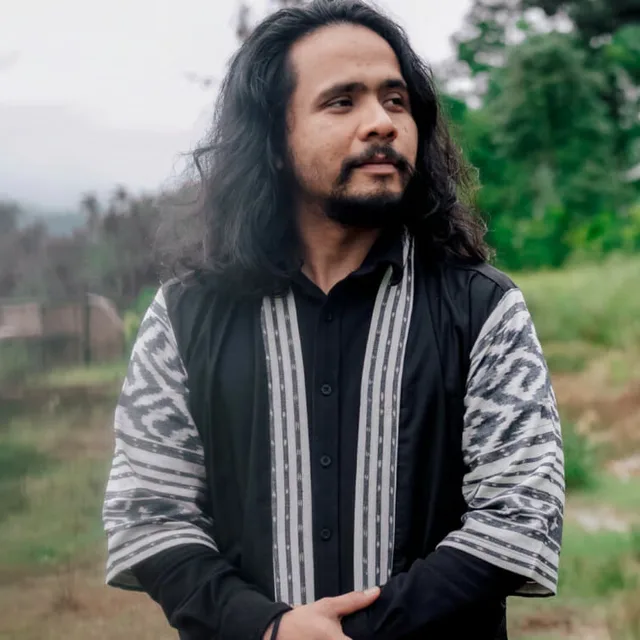
Improviser
Improvising musician who taught and performed at Listening Otherwise, Ahmedabad, 2026.





A selection, from more than 700 artists presented at W.I.P altFEST.
Work In Progress Labs promotes, curates and produces work that challenges prevailing notions of art without compromising on criticality or aesthetics. ART Immersion brings those values, and that artistic depth, into the workplace.
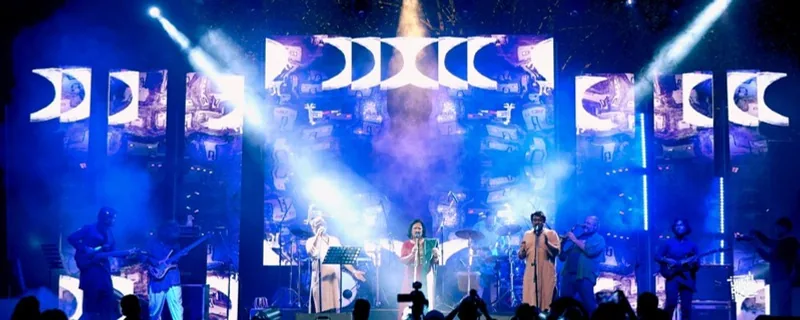
500+
performances programmed
700+
artists presented at W.I.P altFEST
70+
film screenings
30+
workshops, masterclasses and electives
15
cities for Kabira Khada Bazaar Mein, on 50+ stages
1st
improvisers' orchestra in India: the Dilli Improvisers Orchestra









What the behaviour looks like in your team. No slides.
Sponsor interviews, a participant pulse and a one-page brief. Credited to the programme if you go ahead.
Programme alone; with observation week and Review; with a 90-day follow-up.
On your site, at W.I.P aDDa, or on residency.
A report against the indicators we agreed at the start, including when no further work is needed.
We quote per programme, not per head. For residencies, venue, travel and meals are quoted separately from the programme fee.
The questions a CHRO, an L&D head or a sceptical business-unit head usually asks in the first call.
If the gap is knowledge, hire the trainer. We work where people already know what to do and still don't do it: interrupting, freezing in a pitch, taking over a room. Those are behaviours, and artists have spent careers changing behaviour in real time.
They don't need to be. Nobody performs for an audience or is judged on talent. The artistic practice is the method; the material is your team's real work.
Team building aims at goodwill. We aim at a named behaviour, measured before and after. People often enjoy it, but we don't count that as evidence.
Some discomfort is how people see their own patterns; humiliation isn't, and the design prevents it. Every programme opens with agreements, participation is by invitation, and nobody is singled out or asked to testify about personal experience.
Often best there. Senior teams are good at the right answer in a discussion. In rehearsal only the behaviour counts. Leadership Studio is built for that group.
Yes. A single Intervention works well as the practice module inside a longer journey, and we can align with your competency framework.
We agree three to five indicators before we design anything, report the first four measurement levels ourselves, and review at 30 to 90 days. Business-level results are yours to track; we never claim them as our effect.
12 to 30 per facilitation team, larger groups in pods. The Company Song scales to several hundred. We work at your site, at W.I.P aDDa in Delhi, or at a residential venue chosen for your brief.
Diagnose and Review, yes. The practice itself is designed for a room.
Per programme, not per head. A fixed-fee diagnostic comes first and is credited against the programme if you go ahead. Every proposal offers three depths, with venue, travel and logistics shown as a separate line.
A one-page brief and three to five indicators, agreed before anything is designed.
Your meetings, your pitches, your hardest conversations. Nothing off the shelf.
They have already tried the new behaviour in the room, several times, with notes.
Specific, dated, logged, and followed up at 30 to 90 days.
Indicators set before we started, reported as patterns, never individuals.
After the first cycle your HR team can run the measurement without us.
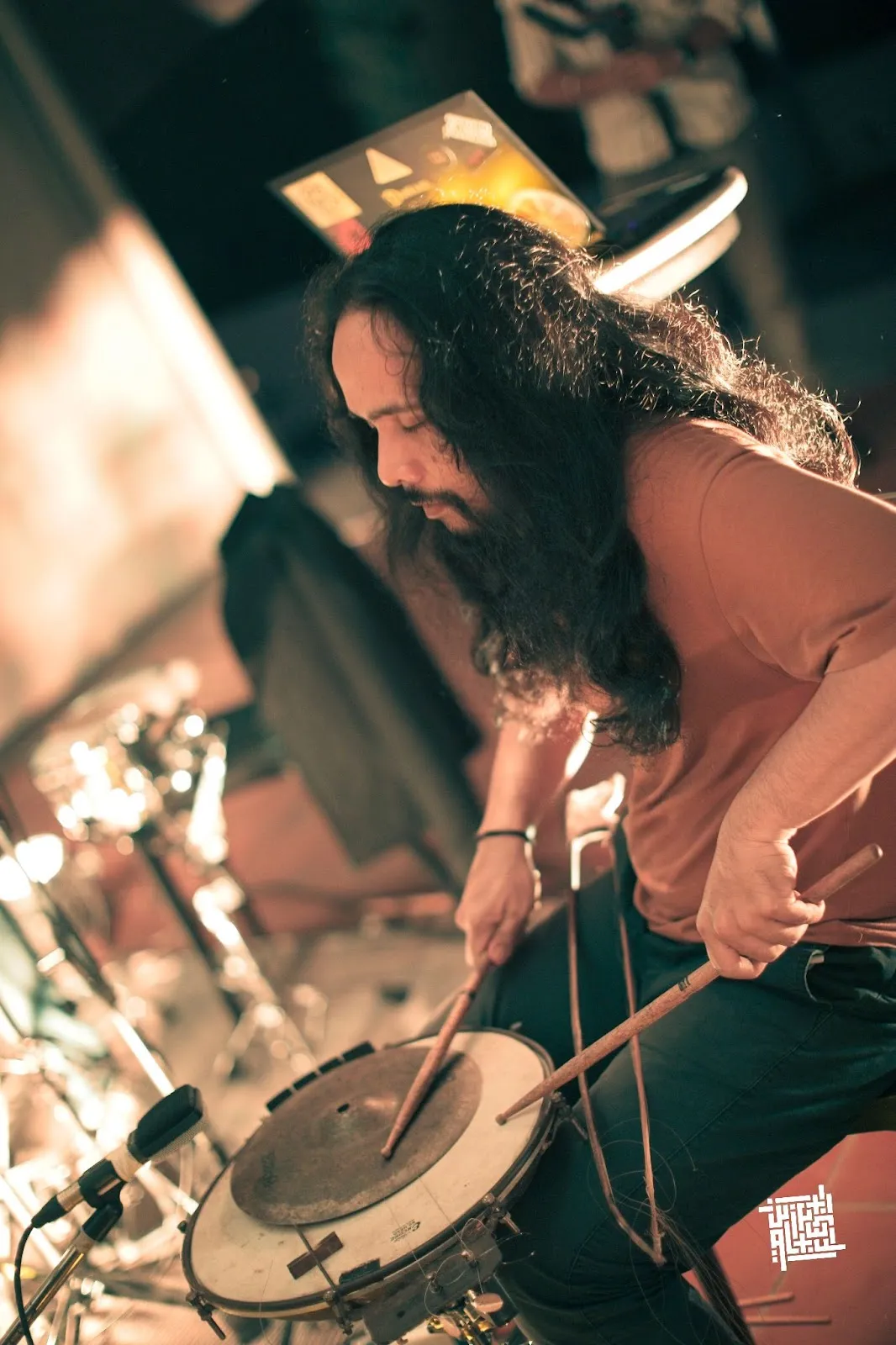
Behaviour isn't taught. It's rehearsed.
We'll tell you whether art is the right tool, and if it isn't, what is. Write with the problem you are seeing and we will set up a 30-minute call.
You'll speak to
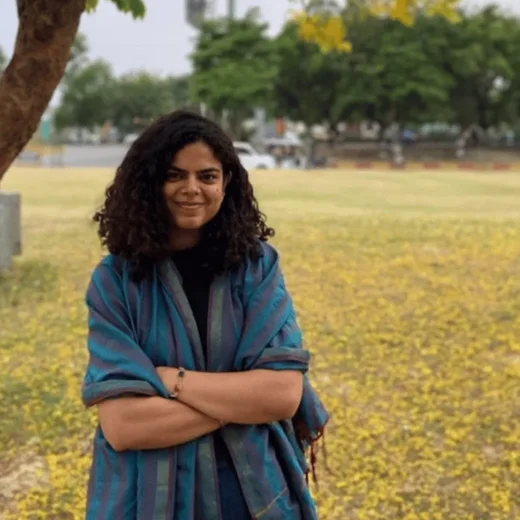
Kirti SharmaFounding and Managing Partner, and Executive Director
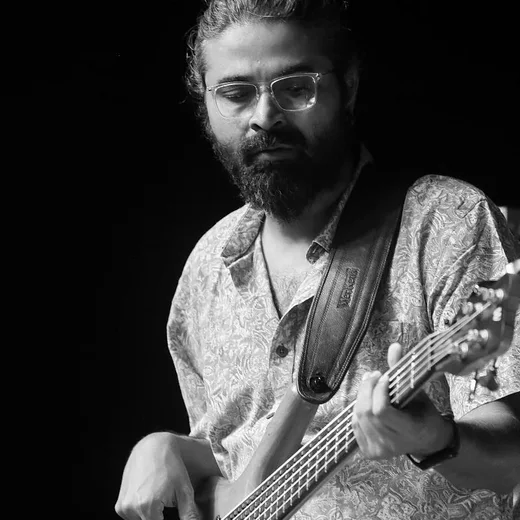
Anirban "Baan" GhoshFounder and Artistic Director
Pallavi VermaProject Manager, ART Immersion
The collective
W.I.P Labs is run by Kirti Sharma and Baan G from W.I.P aDDa in Lado Sarai, New Delhi, with a network of working artists cast for each programme.
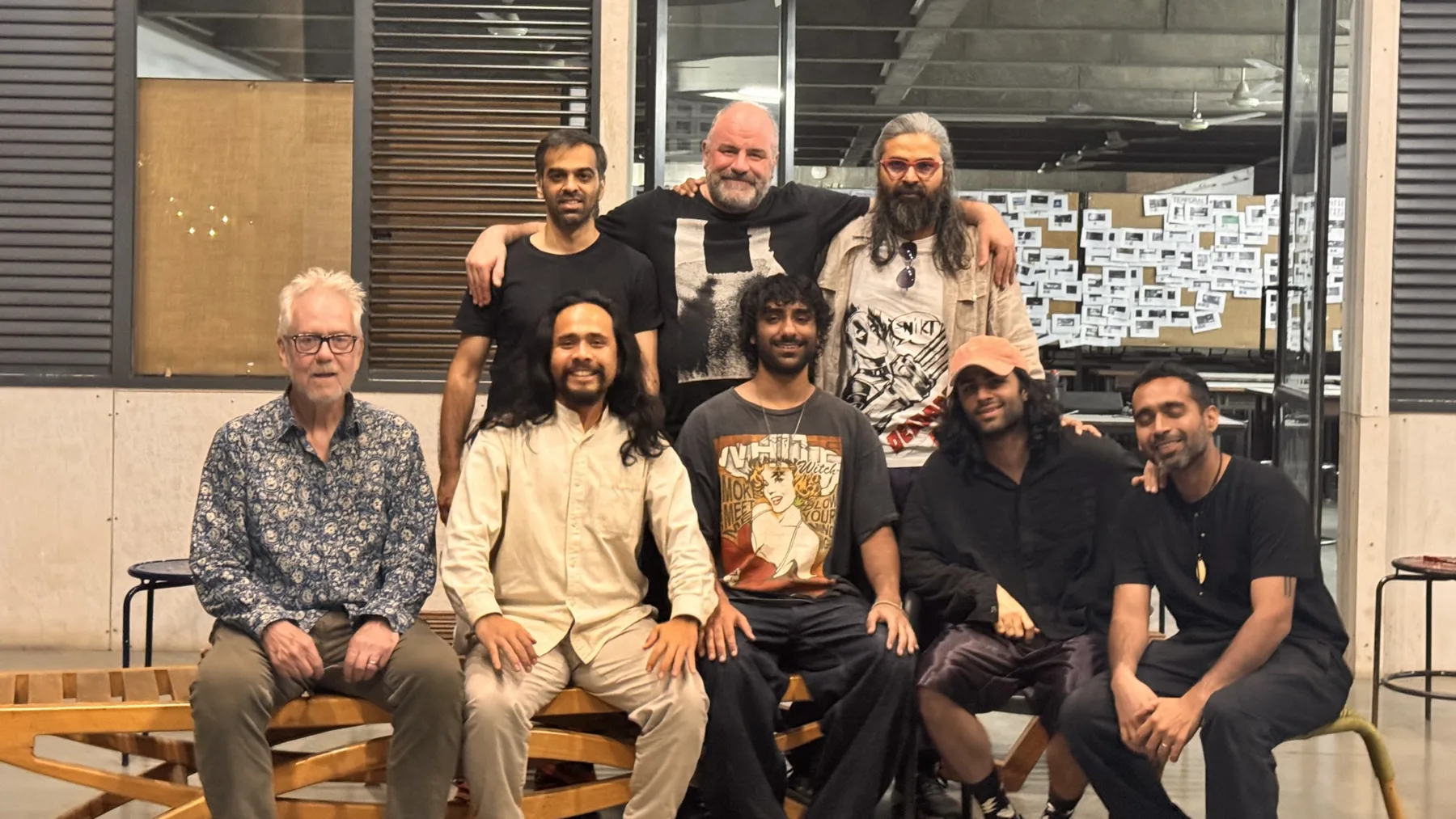
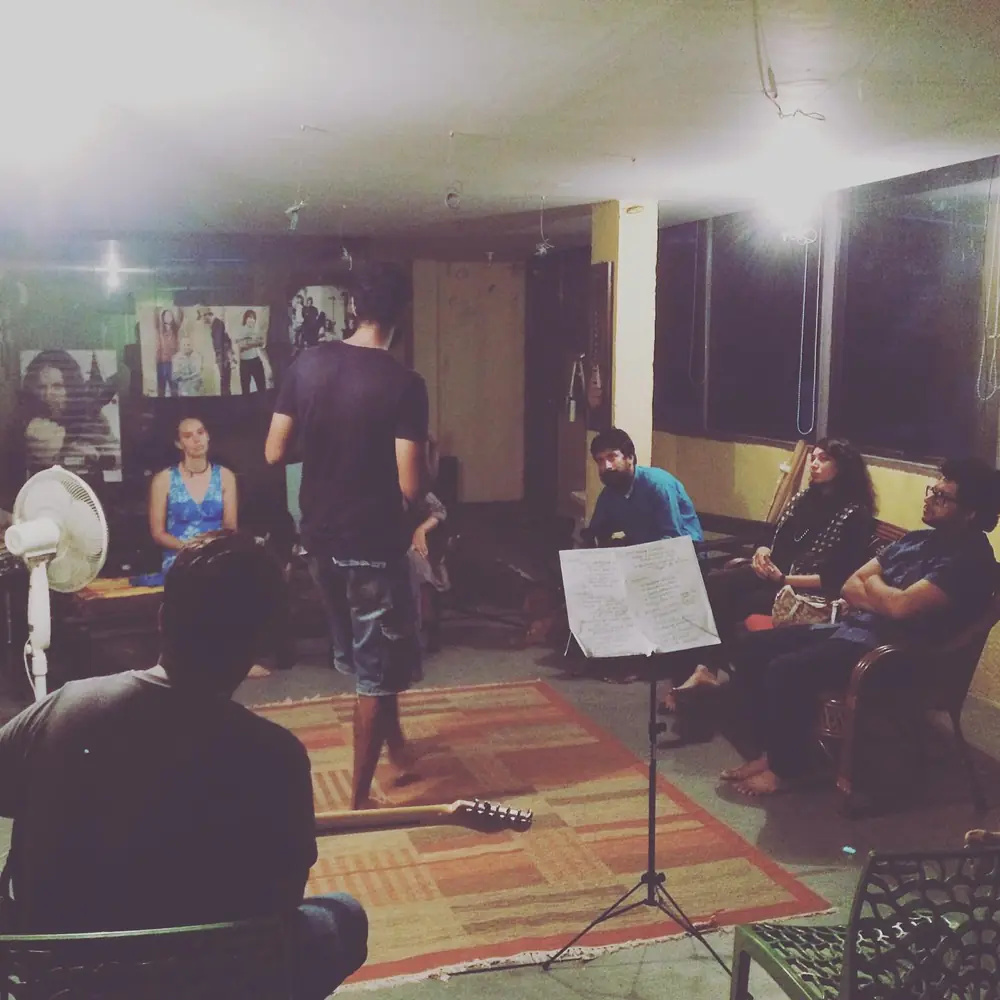
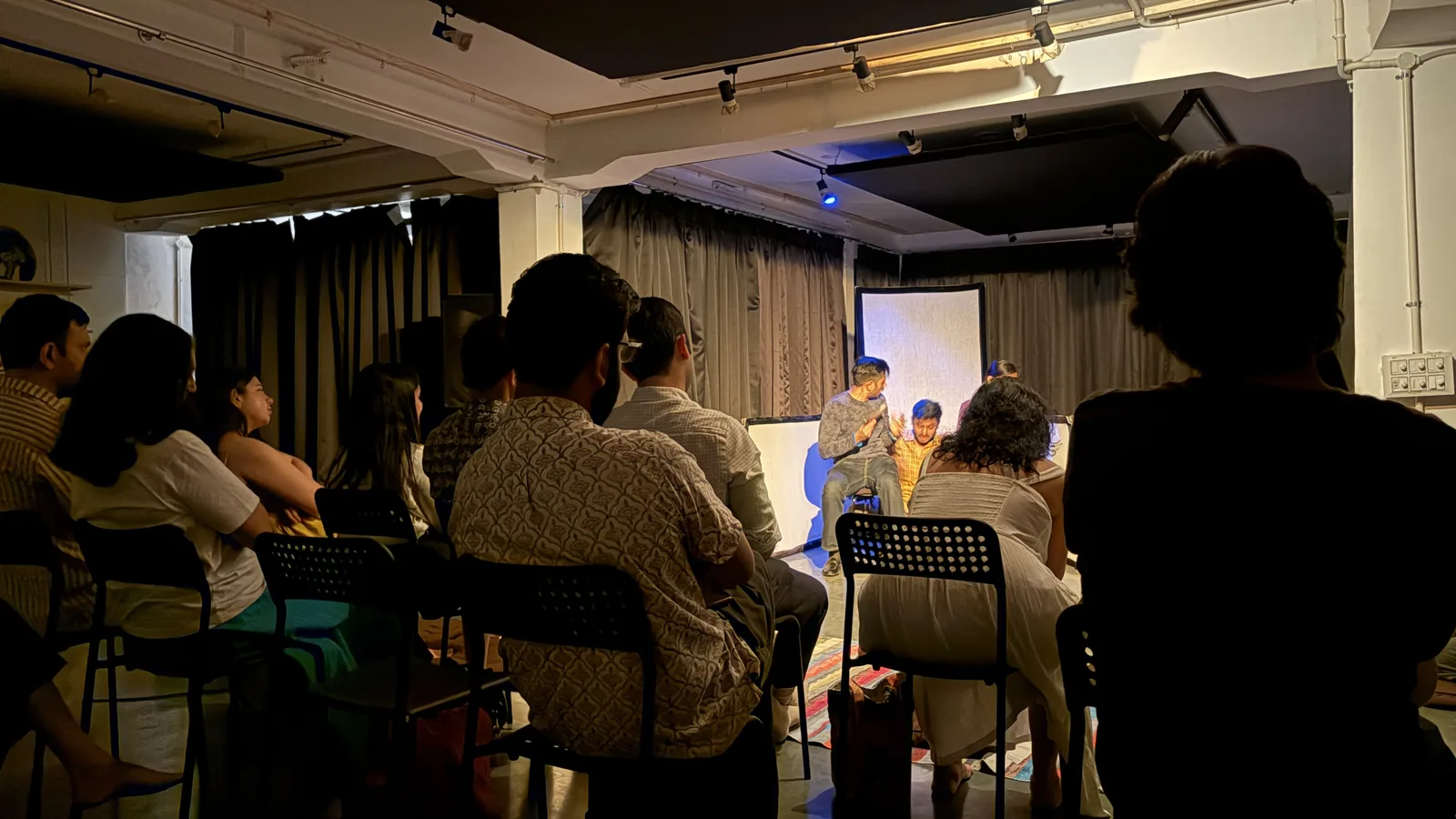
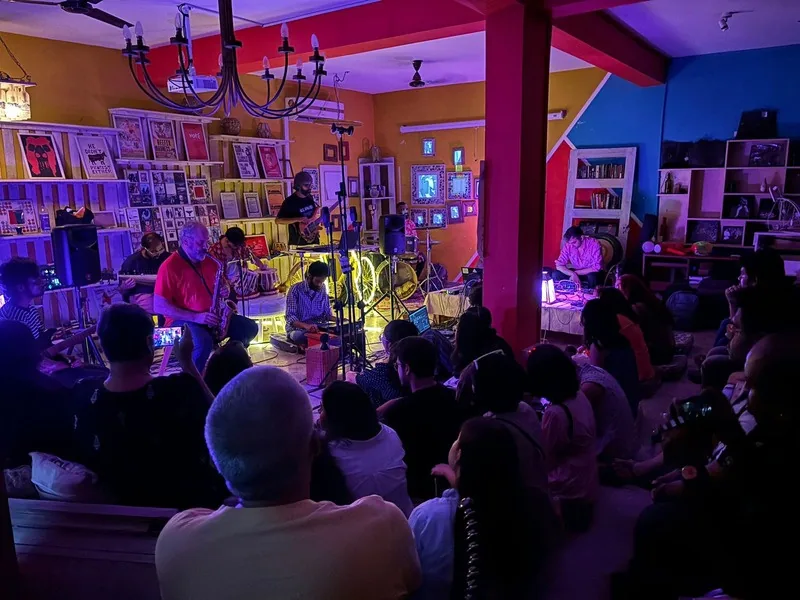
Here, with artists and faculty from Listening Otherwise, our conference on improvised music, at CEPT University, Ahmedabad, including Raymond MacDonald and Jay Kreimer.