 W.I.P Labs
The experimental edge of contemporary practice, brought inside the university.
CAE builds temporary ecosystems of radical experimentation on campus: living laboratories where students work alongside practising artists, technologists and performers in sound, code, immersive media, puppetry and movement. We write the curriculum with your department, and we teach it.
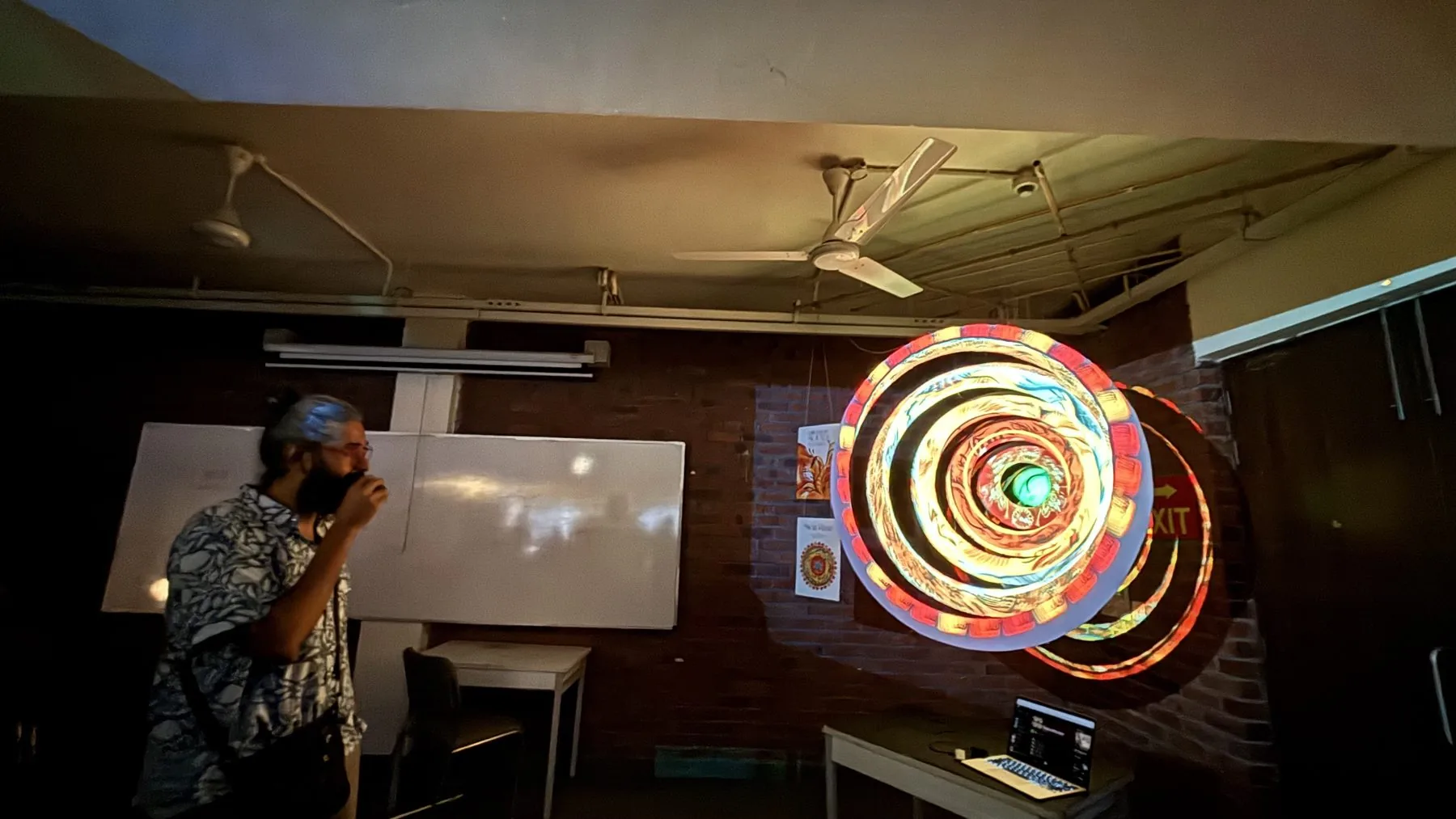
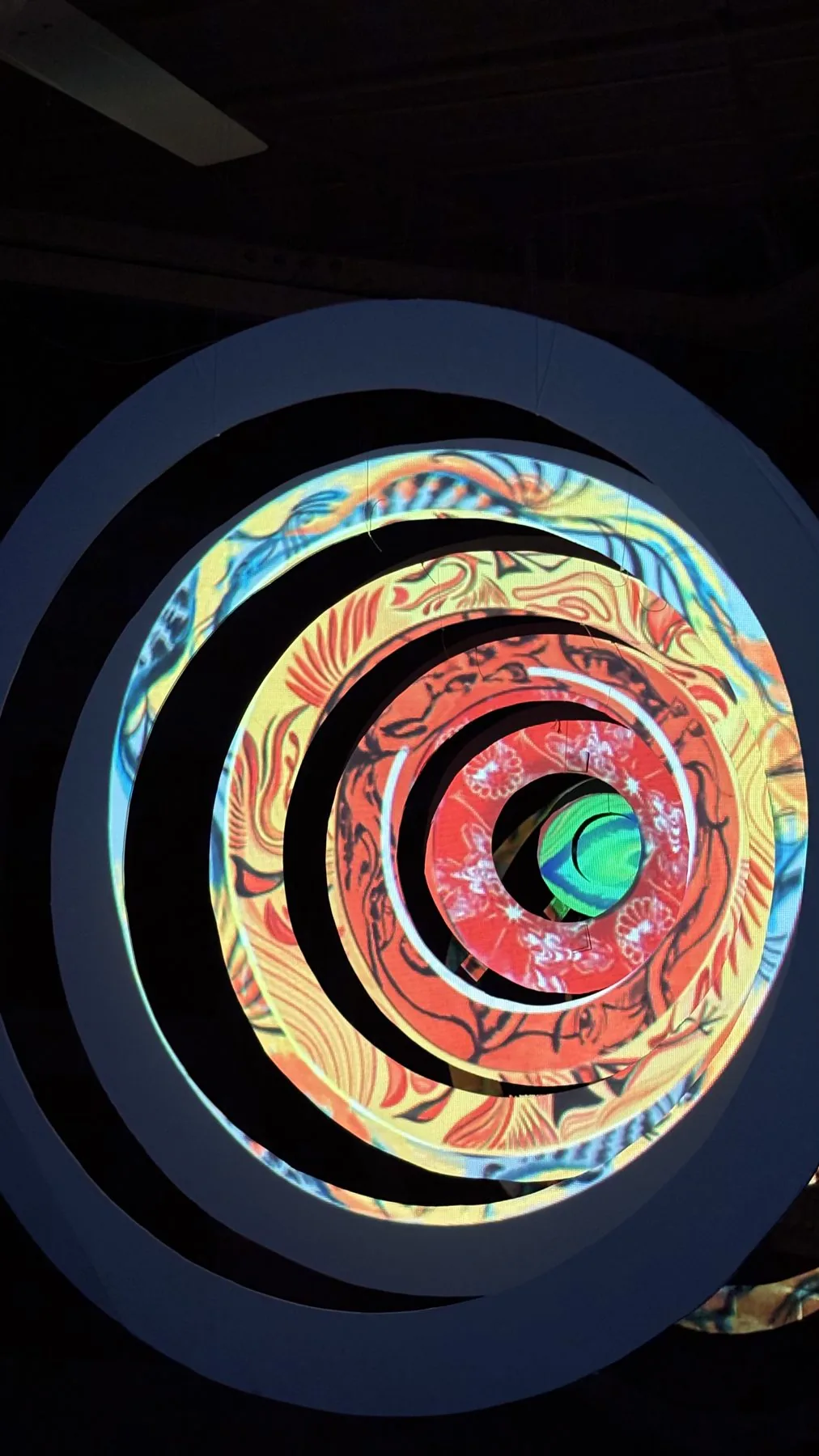
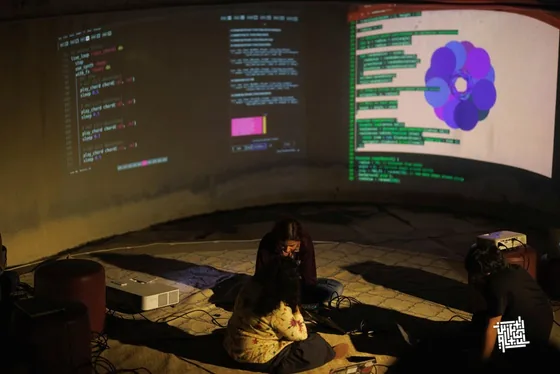
Student projection work from the Generative and Immersive Art elective at IIAD, New Delhi, April 2026.
Why this exists
The most urgent work in Indian arts is not being taught in Indian universities.
Not because departments do not value it. Because building and holding relationships with practitioners at that edge is extraordinarily difficult to do institutionally.
Live coding and algorithmic performance. Anticaste folk arts and the politics of percussion. Contemporary dance rooted in Northeast Indian movement philosophy. Somatic and feminist performance-making. Object theatre and puppetry as a serious art form. Immersive art and generative systems. Sound as a design material rather than post-production support. These are not peripheral forms. They are where the most urgent questions are being asked, and they are almost entirely absent from the curriculum.
Sound is the missing dimension
Sound is the most underdeveloped area of design and arts education in India. Most students graduate having only ever used a stock library. We teach it as material: acoustic ecology, field recording, psychoacoustics, spatial audio, composition.
Code is taught as a tool, not a medium
Generative and algorithmic practice sits between departments and so belongs to none of them. Students with no programming background can be performing live-coded work inside a few weeks, if someone who actually does it is in the room.
The critical layer is thin
Institutions are strong on making and often strong on research, and less consistently strong on the capacity to situate work: to read it against a history of practice and argue for the cultural and political stakes of what was made.
Who we are

An arts organisation that teaches, not an education company that hires artists.
W.I.P Labs is a New Delhi-based artist-run platform working across experimental sound, performance, new media, live coding, puppetry, object theatre and critical practice.
We produce festivals, residencies, commissions and public projects: live coding concerts, object theatre, acoustic ecology, immersive installation. Our entry into education comes directly from practice rather than from institution. That is the whole distinction. We are not a curriculum provider or a visiting faculty agency; we are a living arts organisation with deep relationships across experimental and alternative performance in India and internationally, and CAE brings those relationships into the university in a sustained, curated, pedagogically rigorous way.
For a department, that means a cultural programming partner that expands what you can offer without expanding your administrative load.
Curriculum development
New electives, studio courses and minors, written with the department and mapped to your credit and assessment structure.
Practitioner-led teaching
Working artists, sound designers, technologists, puppeteers and choreographers teaching inside the studio for the full duration.
Labs, built and handed over
We established the sound design programme and contributed to the sound and media lab at UID Karnavati, and have built lab infrastructure and long-running electives at IIAD and CEPT.
A public outcome
Every engagement ends in a show, review or exhibition on campus, with documentation the department can use.
Programmes
A studio, not a guest lecture. Four routes in, depending on the institution.
The practitioner network and the pedagogy are the same in each. What changes is the argument, the course menu and the outcome a department is trying to reach. Each route has its own page, so you can send a colleague straight to theirs.
Design schools
Design schools already understand craft. The question is what else.
Sonic Practice · Code, Chance and Form · The Body in Space · New Media · Puppetry and the Object · IP and Authorship
See the design routeLiberal and performing arts
Bringing the living edge of performing arts practice into the department.
Sound Design for Performance · Contemporary Dance and Somatic Practice · Object Theatre · Theatre, Politics and the Body · Live Coding · Listening as Practice
See the arts routeManagement schools
Not a course about social change. A sustained encounter with the people making it.
Arts for Social Change · Management for Social Change · The Improvising Leader · Listening as Leadership · Art Immersion
See the management routeTechnology institutes
Your students can already build it. Almost nobody is teaching them what to build.
Creative and Live Coding · Physical Computing · Machine Learning as Expressive Material · Real-Time Graphics · Acoustics and Spatial Audio
See the technology routeSeen the format that fits? The next step is a thirty-minute call.
Which cohort, which semester, how much studio time you can protect, and what you want them to have made by the end of it. We come back with a course outline written for your credit structure.
+91 73887 28268
How we teach
Living laboratories, not workshops.
Sustained environments in which students develop their own practice alongside working artists, on a fixed daily rhythm: three hours of lecture and tutorial, three hours of supervised lab, and a submission before the day closes.
Nothing rests on a single final crit. Students submit every day, small and unfinished, and the next morning opens with looking and listening at it together. By the end of a month-long studio a student has a stack of evidence of their own thinking rather than one panicked deliverable.
Process over product
We design around experimentation, iteration and risk rather than deliverables. Students are assessed on process, critical reflection and engagement.
Horizontal pedagogy
Facilitation is mutual exploration rather than a top-down transaction. Practitioners bring their questions into the room as much as their answers, and students are treated as creative peers.
Practice as research
Making is a form of inquiry. Students document, reflect, write and position their practice inside a broader cultural and critical context.
The walls between art, technology, culture and practice are dissolving. A growing urgency exists for students to learn in spaces where disciplines bleed, rules bend and the self is a site of both questioning and action.W.I.P Labs, Creative Arts Exploration
A week inside a sound design module
Week one of four, from the design school version of the course. Longer studios extend the same structure into composition, code, fabrication and installation.
| Day | Morning, three hours | Afternoon, two to three hours |
|---|---|---|
| Mon | What is sound? A thirty-minute deep listening and field recording walk on campus, then analysis and mapping of sonic environments. | Acoustic ecology. Schafer and the soundscape concept, with group listening to curated examples from designed spaces. |
| Tue | Lab: recording technique. Students record three contrasting environments and perform basic spectral analysis. | Psychoacoustics. How sound affects emotion, spatial perception and brand experience, with case studies from retail and hospitality design. |
| Wed | Studio: each student begins a sonic brief for a designed space of their choosing. Sketching in sound. | Spatial audio. Stereo, binaural and ambisonics, with students hearing the same sound in each format. |
| Thu | Lab: DAW introduction. Basic mixing, dynamics and spatial positioning, applied to the sonic brief. | First peer review. Sixty-second sonic sketches, with structured critique on intention, effect, context and revision. |
| Fri | Studio work day. Students develop their sketches in response to critique, with the instructor working alongside them. | Reflection and synthesis, then the week two theme briefed: sonic identity and branding. |
Student outcomes
Interdisciplinary by necessity, not by instruction.
Every project below required students to move across fields that are rarely taught together: acoustic ecology and machine learning, systems design and cultural theory, physical fabrication and generative code, embodied performance and material construction.
This is the capability CAE builds, and it cannot be built inside a single disciplinary tradition.
Critical Sound: Interdisciplinary Practices in Listening, Design and Technology
BD2044, Spring 2026 · CEPT University, Ahmedabad. A credit-bearing BDes studio, the first course of its kind at the university, taught by Anirban Ghosh as professor of practice with Kirti Sharma as teaching assistant. Every student contributed to five parallel collective workstreams while developing an independent practice.
Solobox
Sound design · systems design · cultural research
A listening partner that reacts to a musician’s playing in real time, replacing silence with live accompaniment. Required simultaneous fluency in algorithmic systems design, product thinking, user research, and the structures of both Hindustani and Western classical music.
Systems Design · Algorithm Design · Musicology · Product Research
See What You Hear
Sound design · machine learning · accessibility
Translating environmental sound into visual cues for Deaf and Hard of Hearing users. Built on sound taxonomy development, model training, pose recognition and interactive coding, with the student operating as sound researcher, ML engineer, accessibility designer and visual communicator at once.
Acoustic Taxonomy · Machine Learning · MoveNet · Accessibility Design
Flow Curve
Generative systems · hardware · music production
An open-source standalone hardware instrument for visual macro-composition: users compose by drawing emotional energy curves on a touchscreen. Hardware interaction design, embedded programming, web audio engineering, and a critical reading of the DAW landscape and AI music generation.
MicroPython · Arduino · Web Audio API · Tone.js · Next.js
The Politics of Attention
Spatial sound · psychoacoustics · socio-political art
An interactive spatial installation placing listeners between archival war audio and intimate personal recordings, exploring selective empathy through psychoacoustic design. Critical theory made physical and experiential.
Spatial Audio · Archival Research · TouchDesigner · MediaPipe · Logic Pro
Gesture Orchestra
Interactive installation · gesture performance · live coding
A conduction system where body gestures captured by Kinect control tempo, intensity, layering and instrument activation in real time. Gesture mapping, live audio processing, MIDI programming and a framework drawn from orchestral performance practice. The body becomes the score.
Kinect · Gesture Mapping · MIDI · TouchDesigner · Ableton
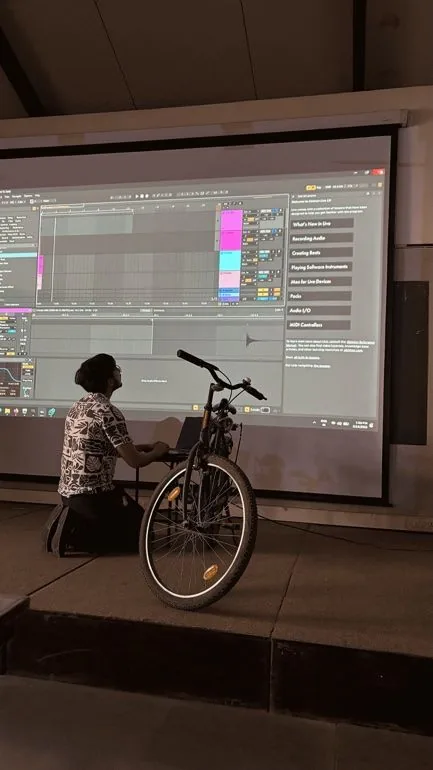
Generative Spokes
Generative music · physical computing · found-sound composition
A generative sound patch built from a library of bicycle sounds and triggered by the bicycle itself. Max for Live programming, Arduino physical computing and field recording as compositional method: a rigorous argument about what counts as a musical instrument.
Max for Live · Arduino · Physical Computing · Found-Sound Practice
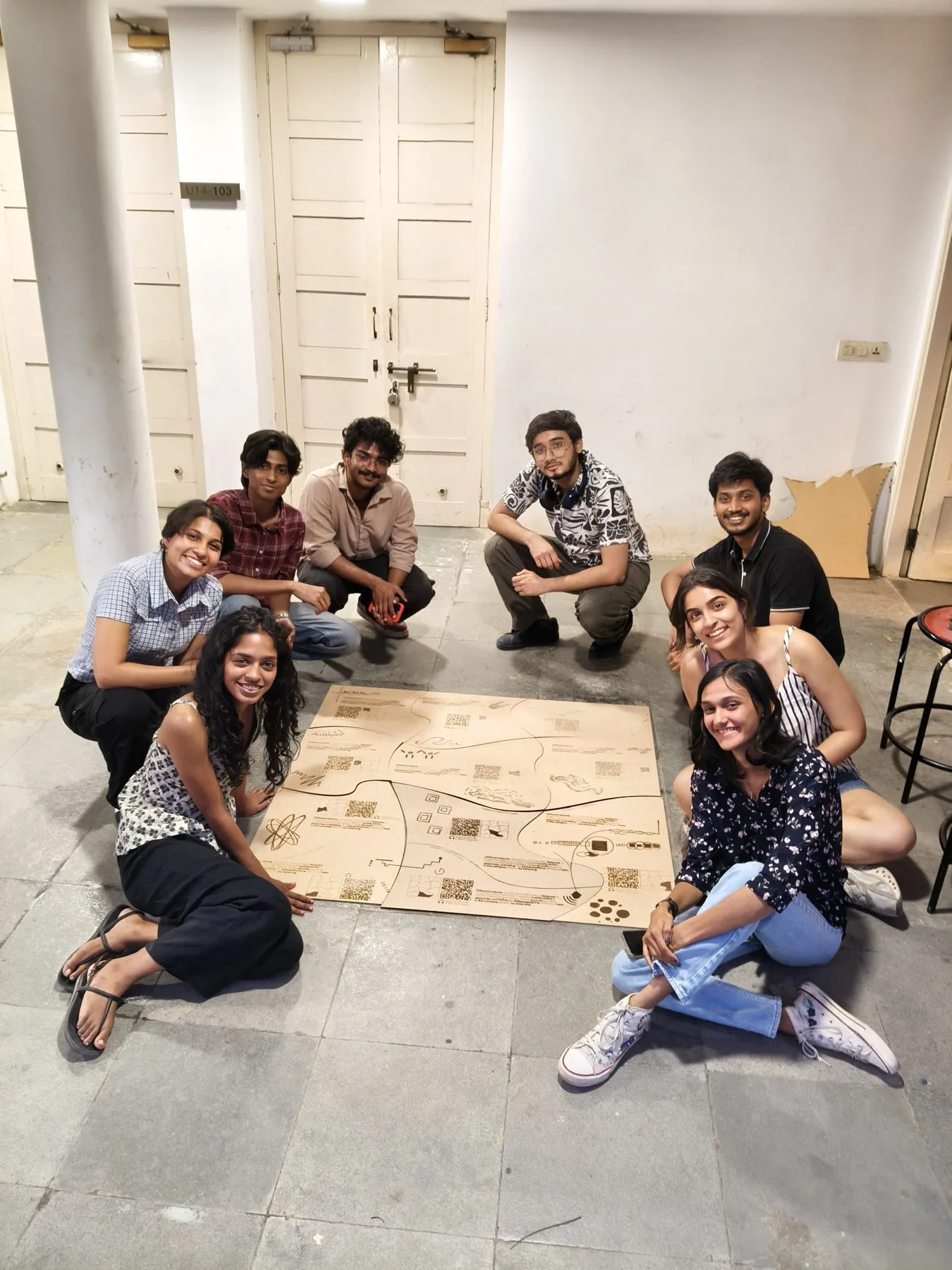
The five collective workstreams
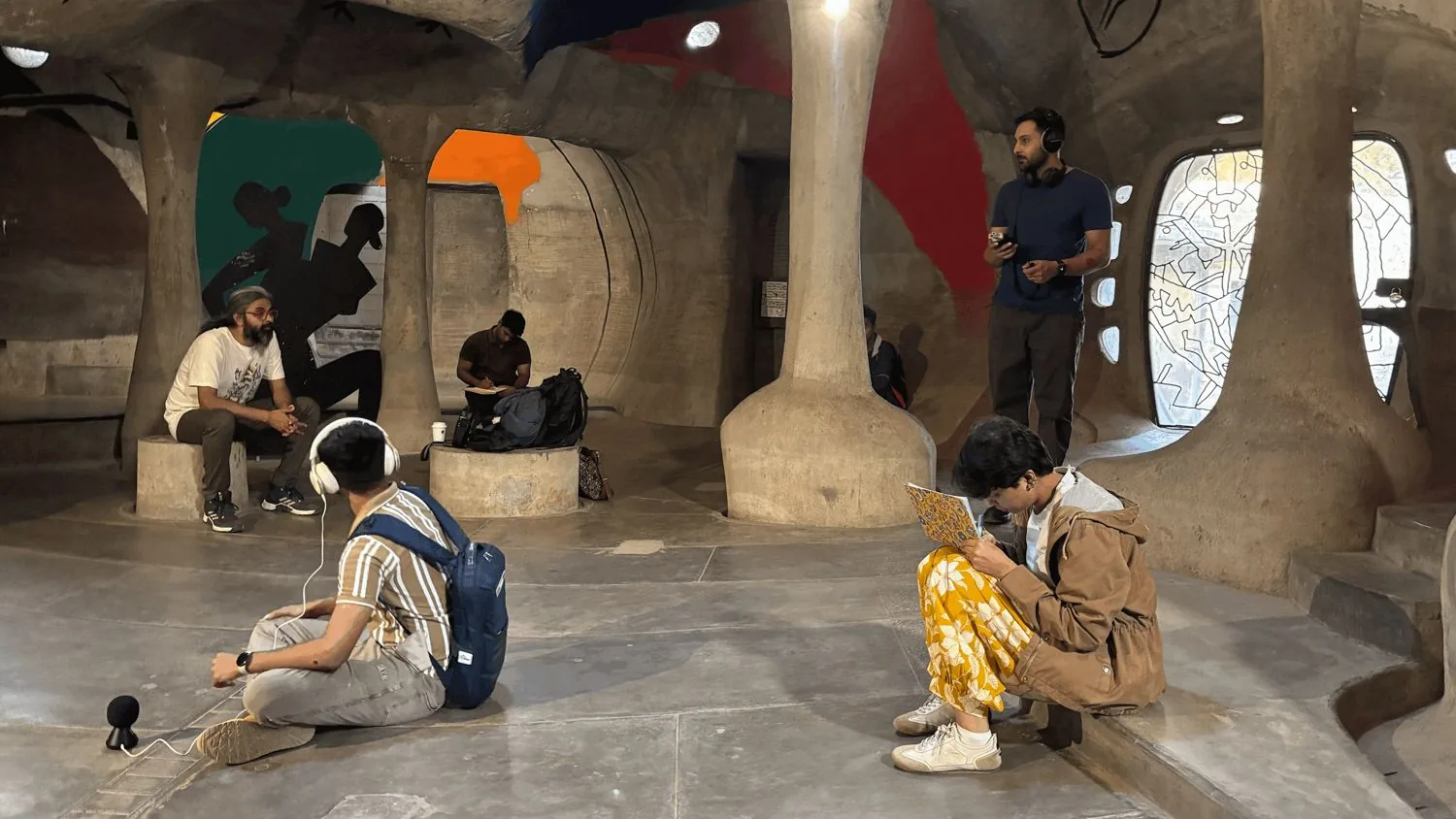
Acoustic ecology. Field recording, analysis and mapping of Ahmedabad’s Old City. Sonic ethnography as design research.
Sound cartography. Mapping and decoding Delhi’s sonic environments from Humayunpur to Connaught Place.
Instrument fabrication. Building original instruments from found and natural materials. Physical making as sonic thinking.
Digital composition. From DAW-based work to generative patching and live coding environments.
Critical documentation. Written reflection, process cataloguing and public presentation. Sound as argument, not just output.
Work you can open in a browser
Several studio outcomes were built as web instruments rather than documents, so the work is the thing you interact with. All five are live. Headphones help.
Abstract Instrument Synth
Instrument building · live electronics · web audio
Three instruments built from junk in the studio: scrap wood and plank offcuts, split bamboo, perforated steel, tension springs, a paint tin, a rusted mechanical linkage, terracotta, a river stone. Nothing was bought as a musical part. Amplified with piezo discs and contact microphones through live electronics, they were performed by the student ensemble Brains on Fire at Listening Otherwise. This page is their digital counterpart: each photograph is the interface, and every visible part is hand-mapped to a synthesis engine chosen from its material, with resonator banks for metal, comb resonators for the bamboo columns, frequency modulation for the springs and granular clouds for the punched sheet. Visitors can upload a photograph of their own found-object instrument and the page segments it and proposes a sound for each region.
baan-g-instrument-exhibit.vercel.appEvery Engine Speaks
Sonification · diagnostics · exhibition instrument
An engine is always describing itself: every firing pulse, tick, hiss and knock is information about metal, timing and combustion arriving faster than any gauge. Choose a machine, turn one dial, and hear a healthy engine develop a fault while the engine turns in front of you. A live engine clock marks each event in the cycle, a spectrum shades the bands where the current fault should appear, and a data panel separates what is modelled from the engine state and what is measured from the sound. By Aaryan Rathore.
baang-every-engine-speaks-site.vercel.appWarp & Weft
Craft structure as musical structure · synthesis
A loom that plays the workshop. The weave grid is the sequencer: each row is a shaft, each column a pick of the weft, and the drawdown of the cloth below is the score, so where a shaft lifts its warp thread shows on top. Plain weave, twill, herringbone, satin, basket and waffle each produce their own rhythm, and tension retunes a sound the way tightening a warp thread changes its voice. Everything is synthesised in the page: nothing is recorded, uploaded or stored.
beegee-warp-and-weft.vercel.appGufa Resonance
Acoustics · spatial audio · real-time analysis
An acoustic space explorer. Your own live microphone signal is placed inside the acoustic signature of a physical space, starting with the Gufa: a dense limestone cave with walls saturated to eighty per cent water. The particle field answers by frequency band, with bass as an atmosphere pulse, voice as serpent trails, sibilance as fireflies and transients as sonar rings, and other spaces can be imported. Headphones required.
gufa.vercel.appCEPT Soundscapes
Acoustic ecology · sound mapping
The digital counterpart to the collective campus sound map above: the recordings students made across the CEPT campus, placed back on the map at the points where they were made, so the campus can be walked by ear from anywhere.
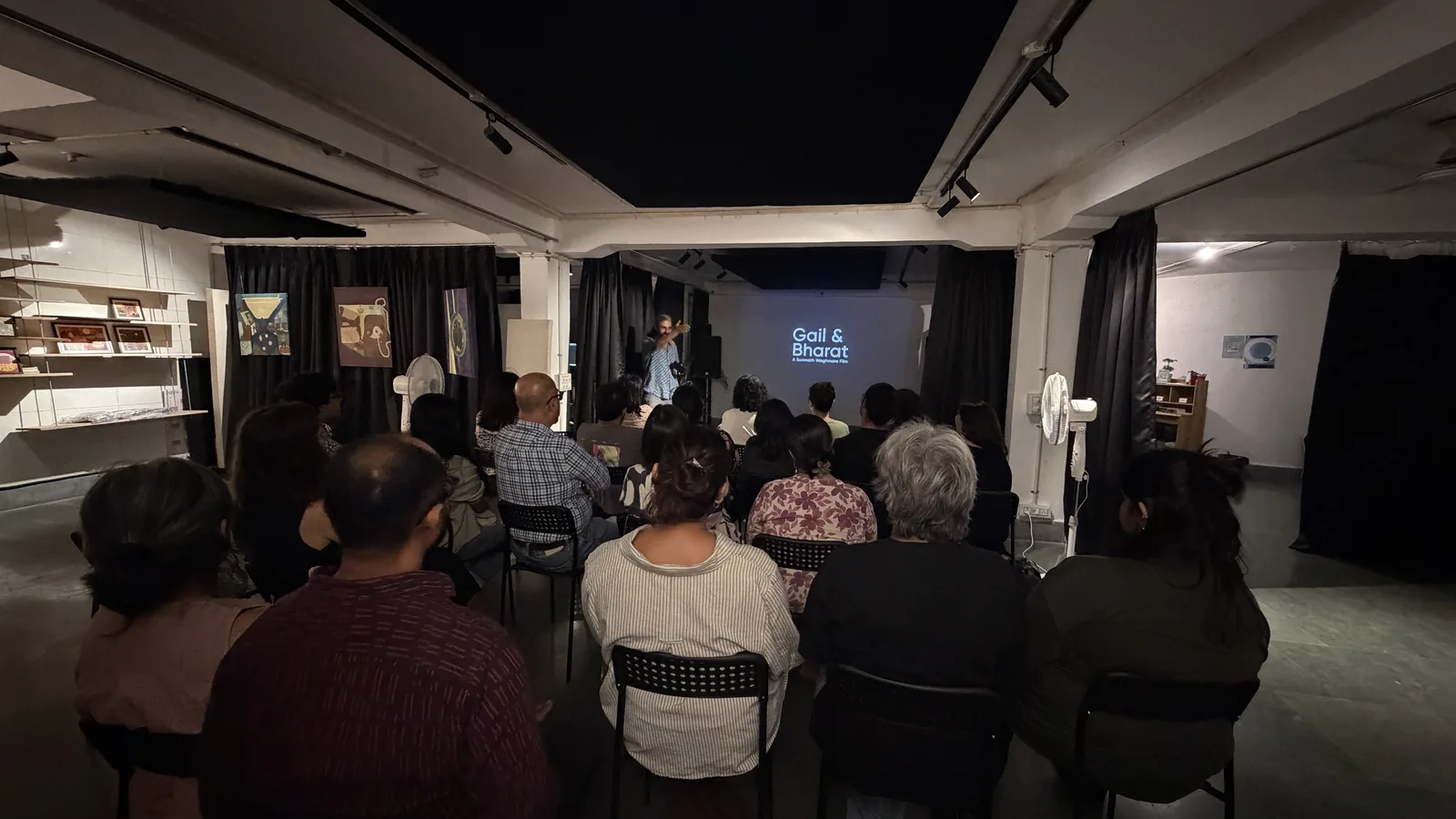
cept-soundscapes.vercel.appGenerative and Immersive Art, IIAD, New Delhi
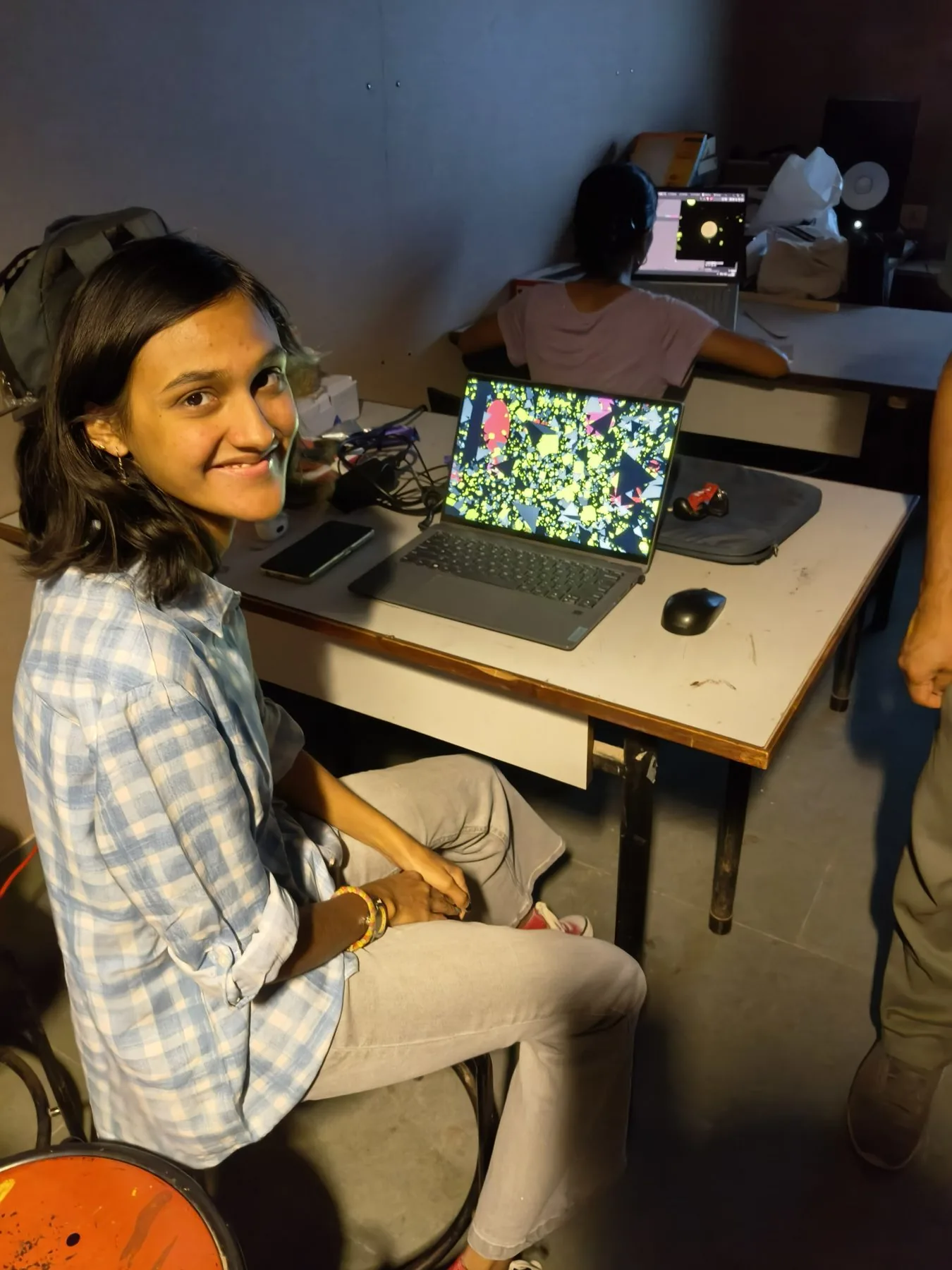
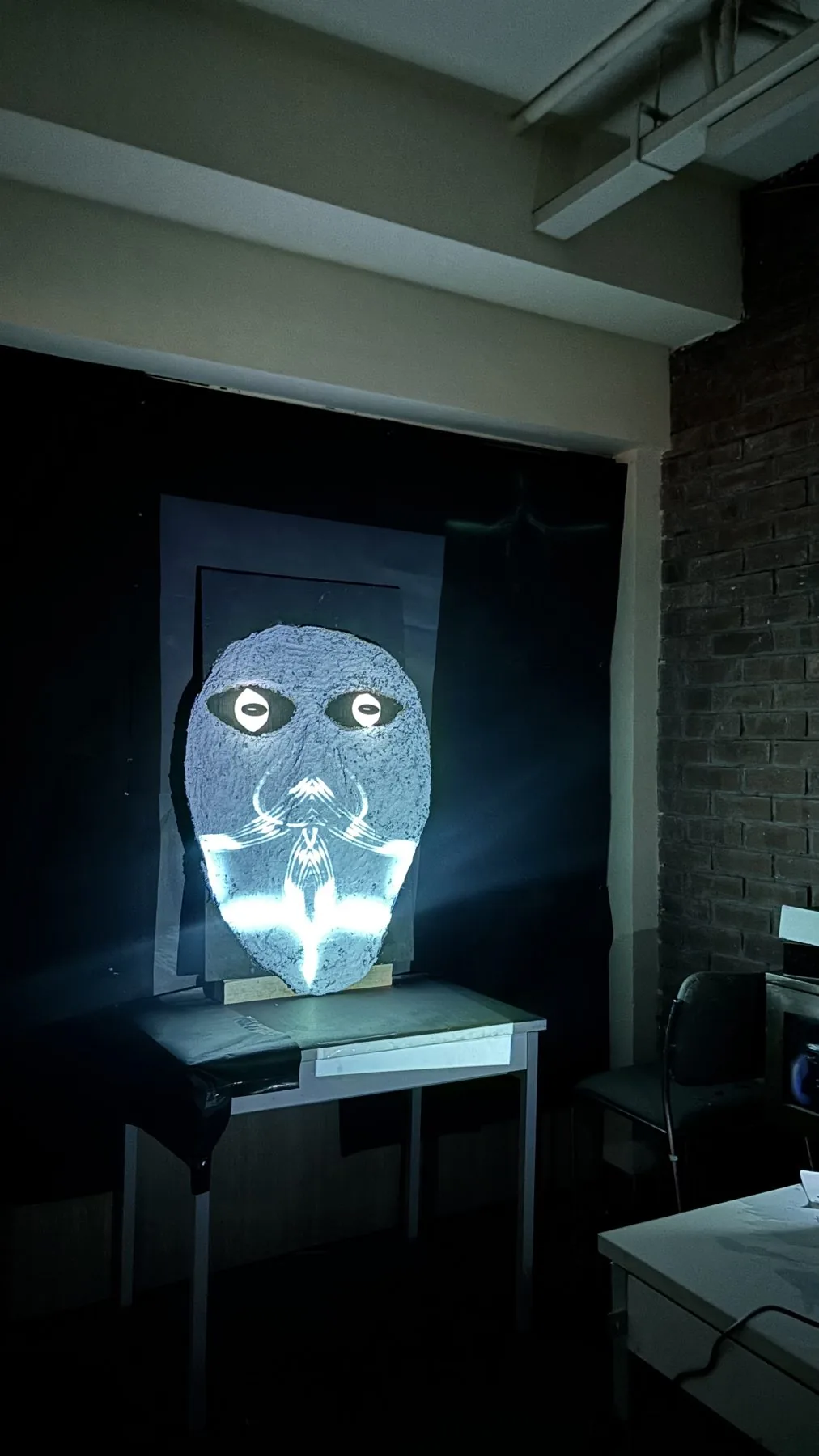
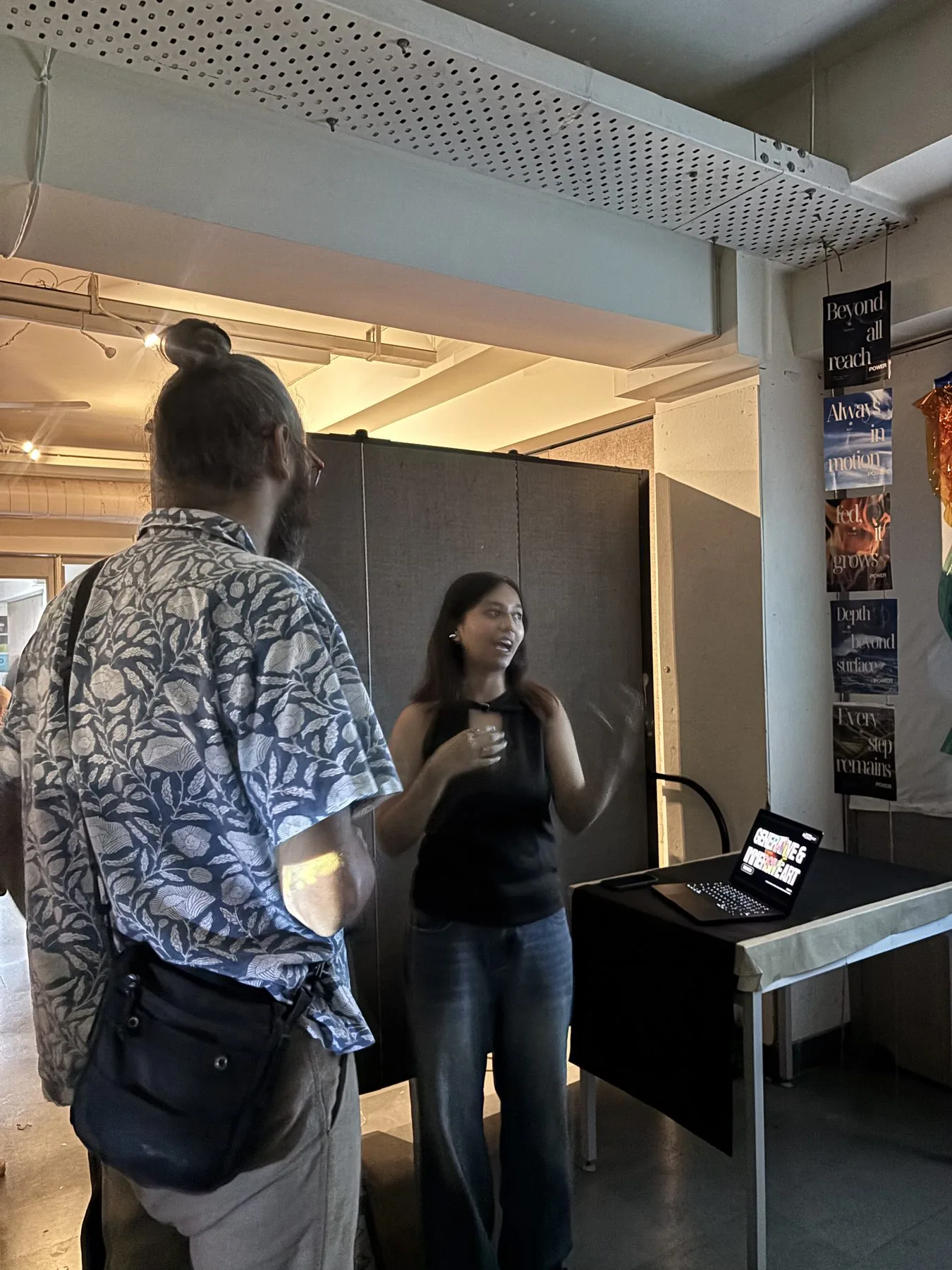
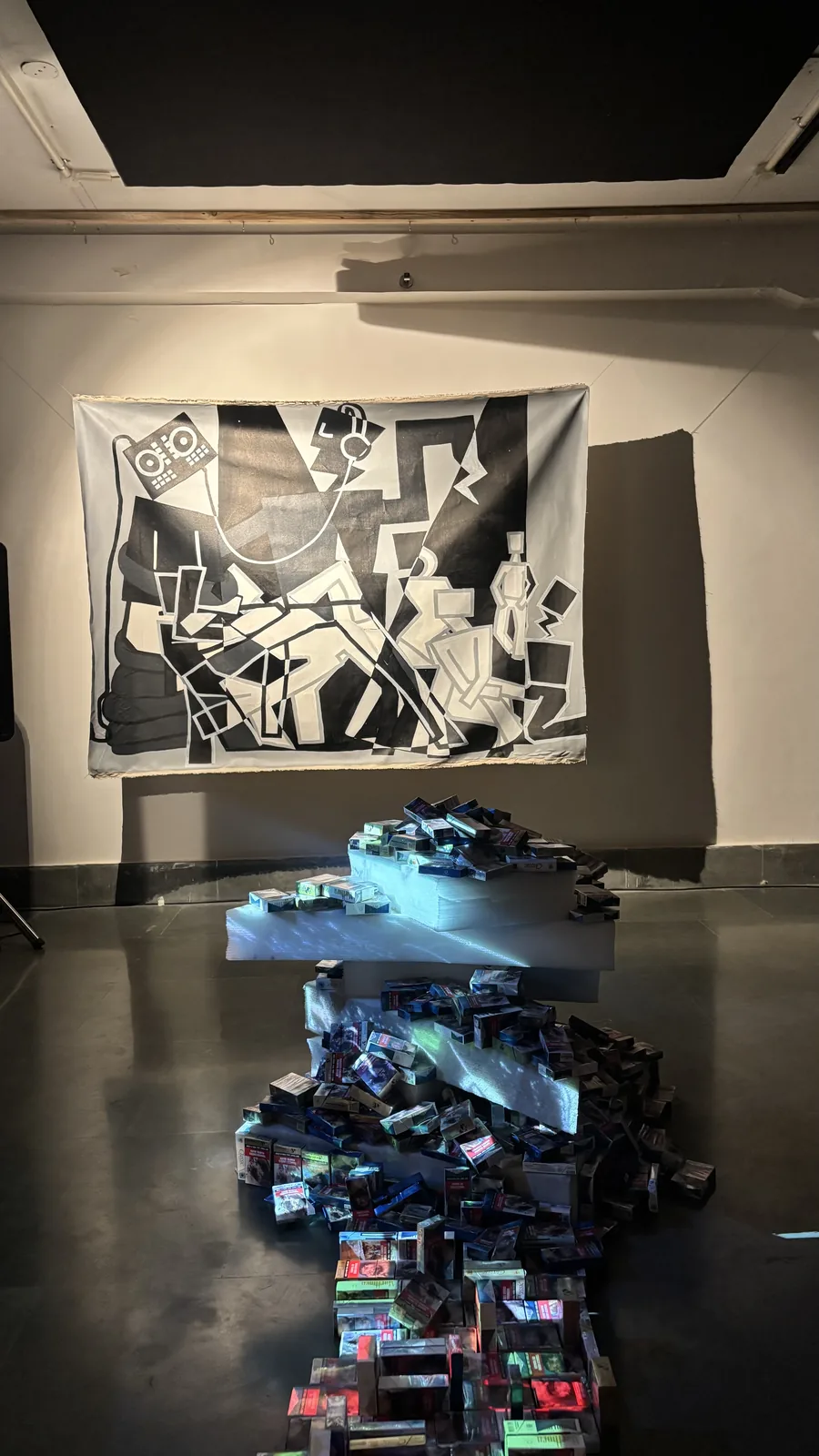
A four-week CAE elective running generative and immersive art, sound design with creative coding, and puppetry and object theatre together, with students moving between strands. The immersive strand worked across code, sound, interaction design and physical fabrication, building responsive environments from found and junk materials alongside digital systems.
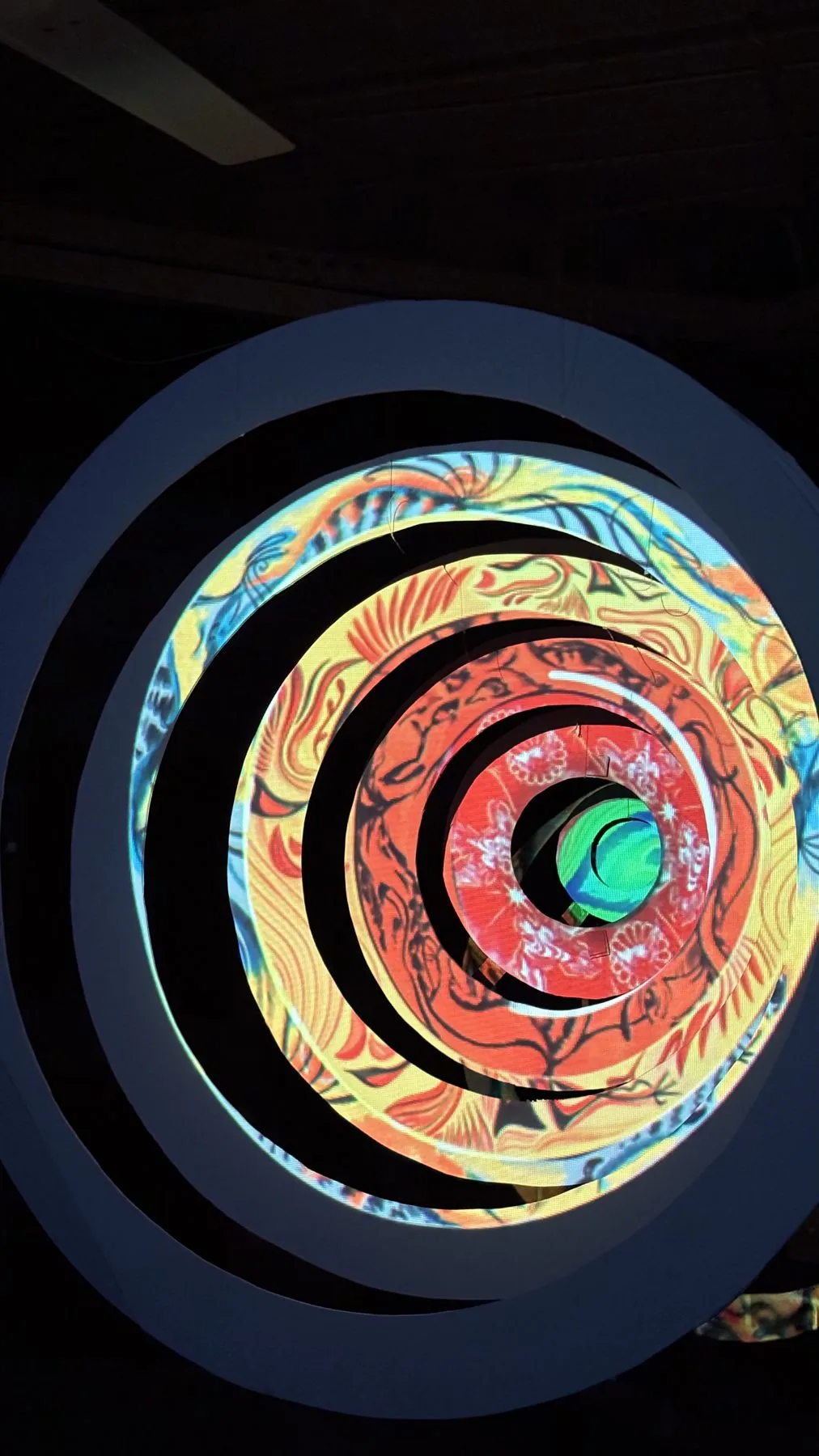
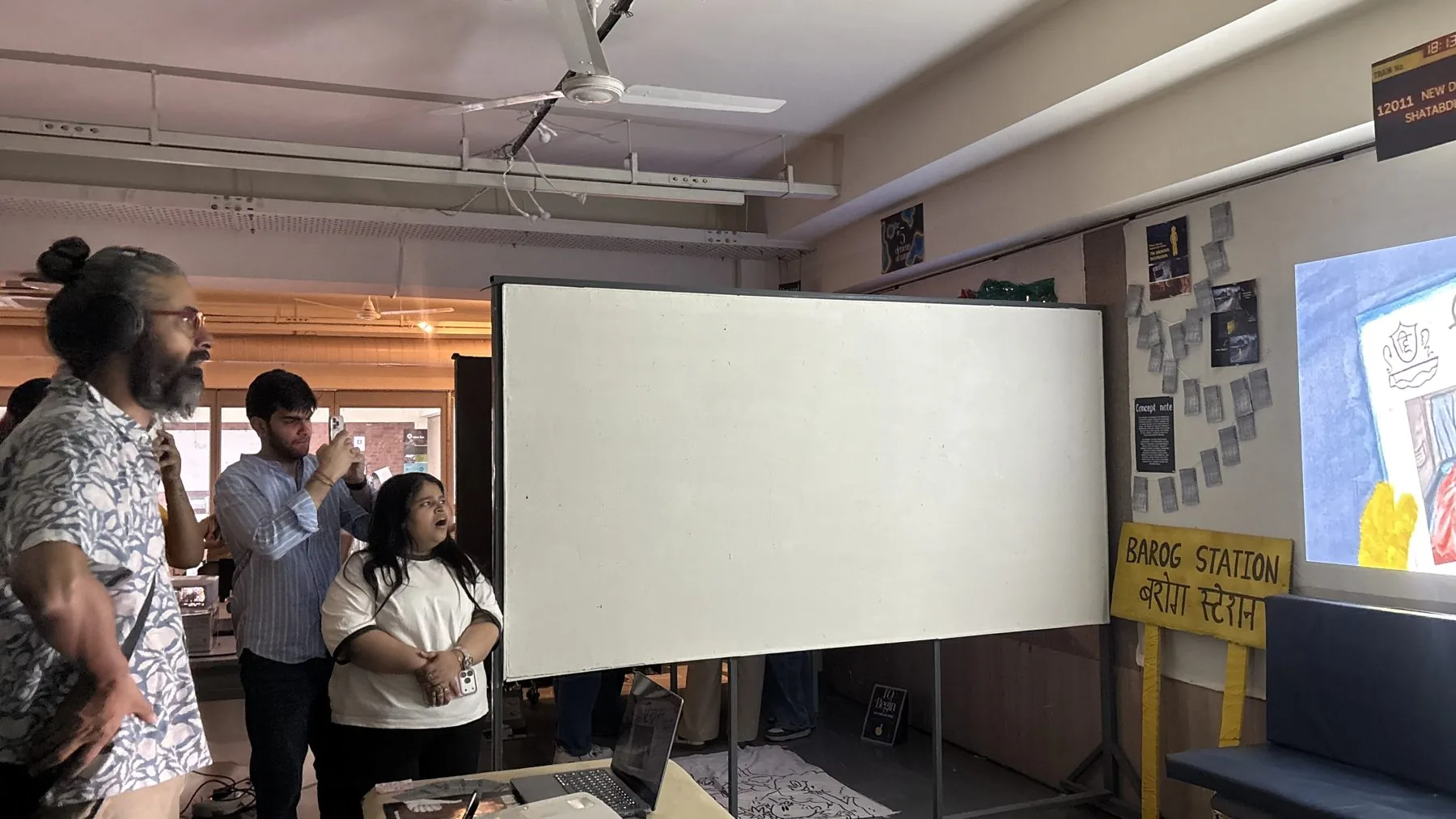
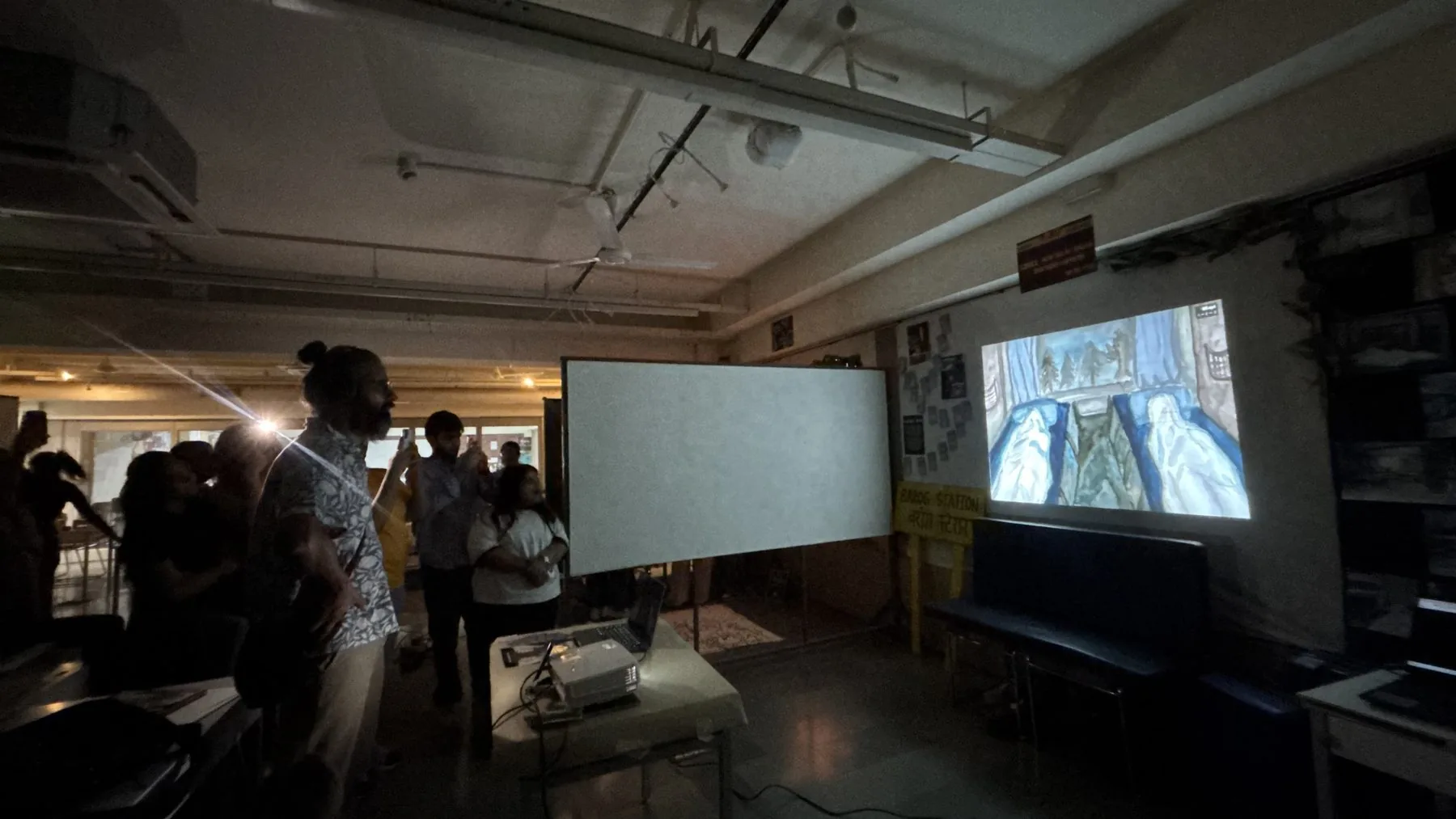
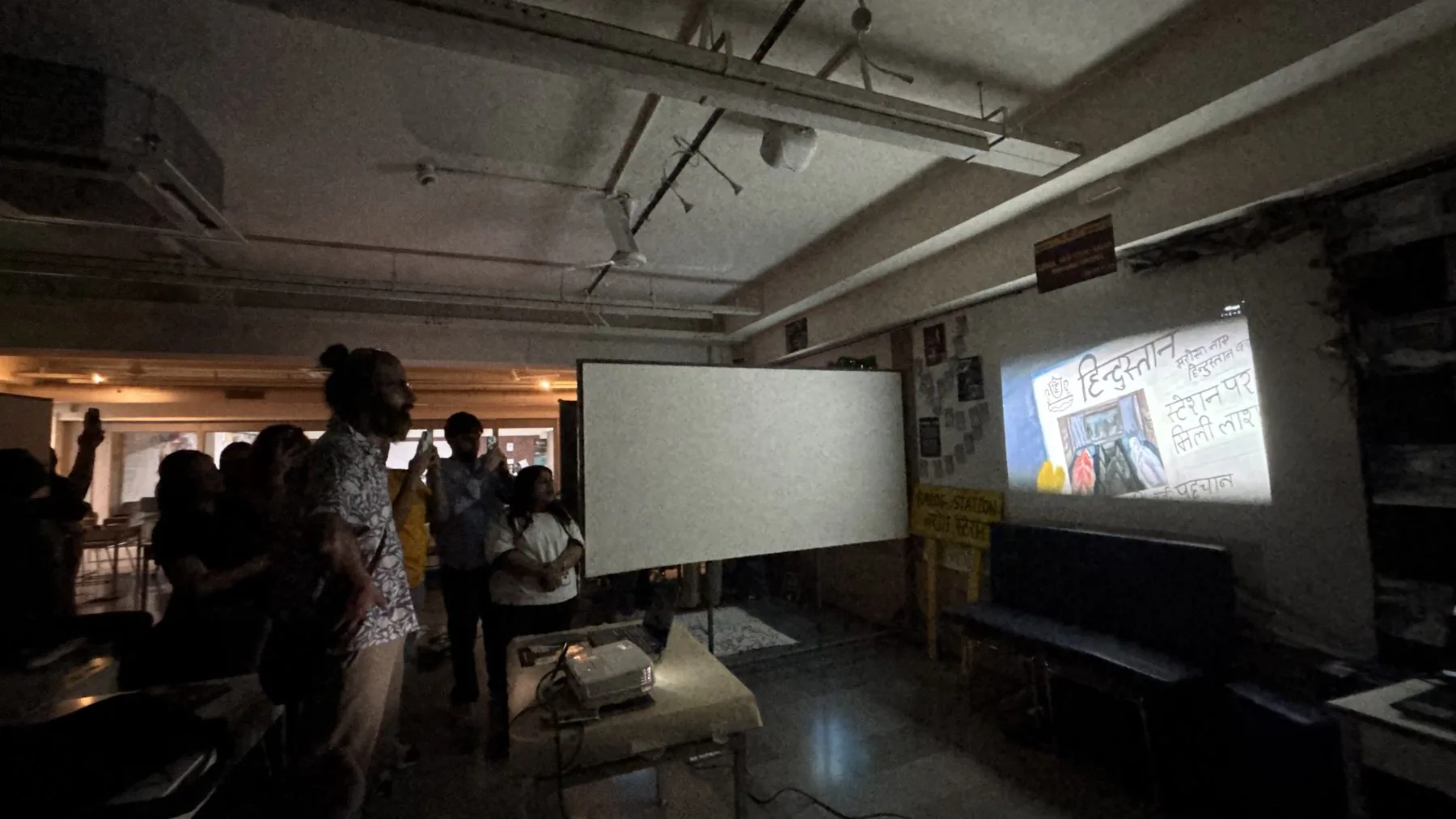
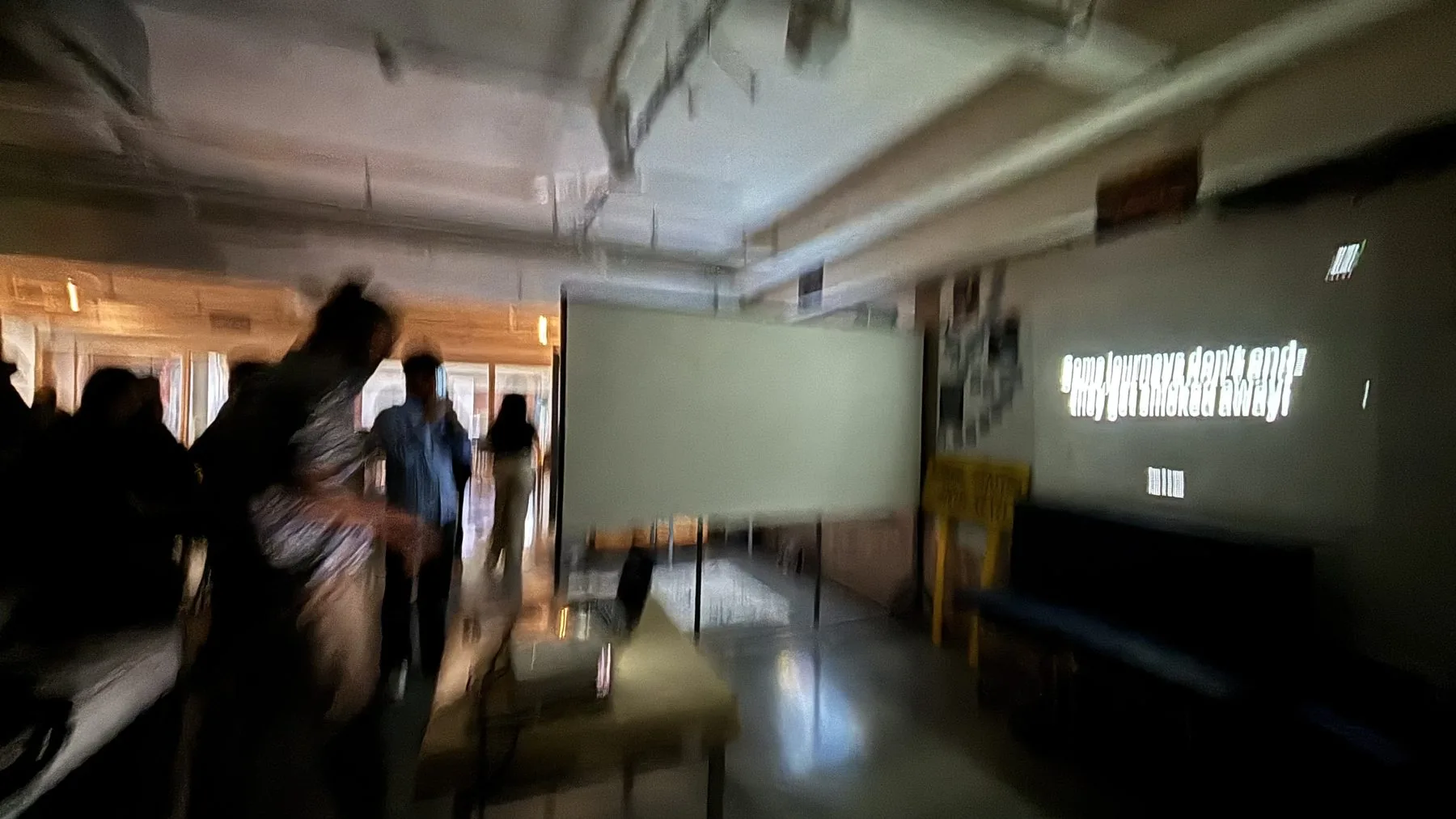
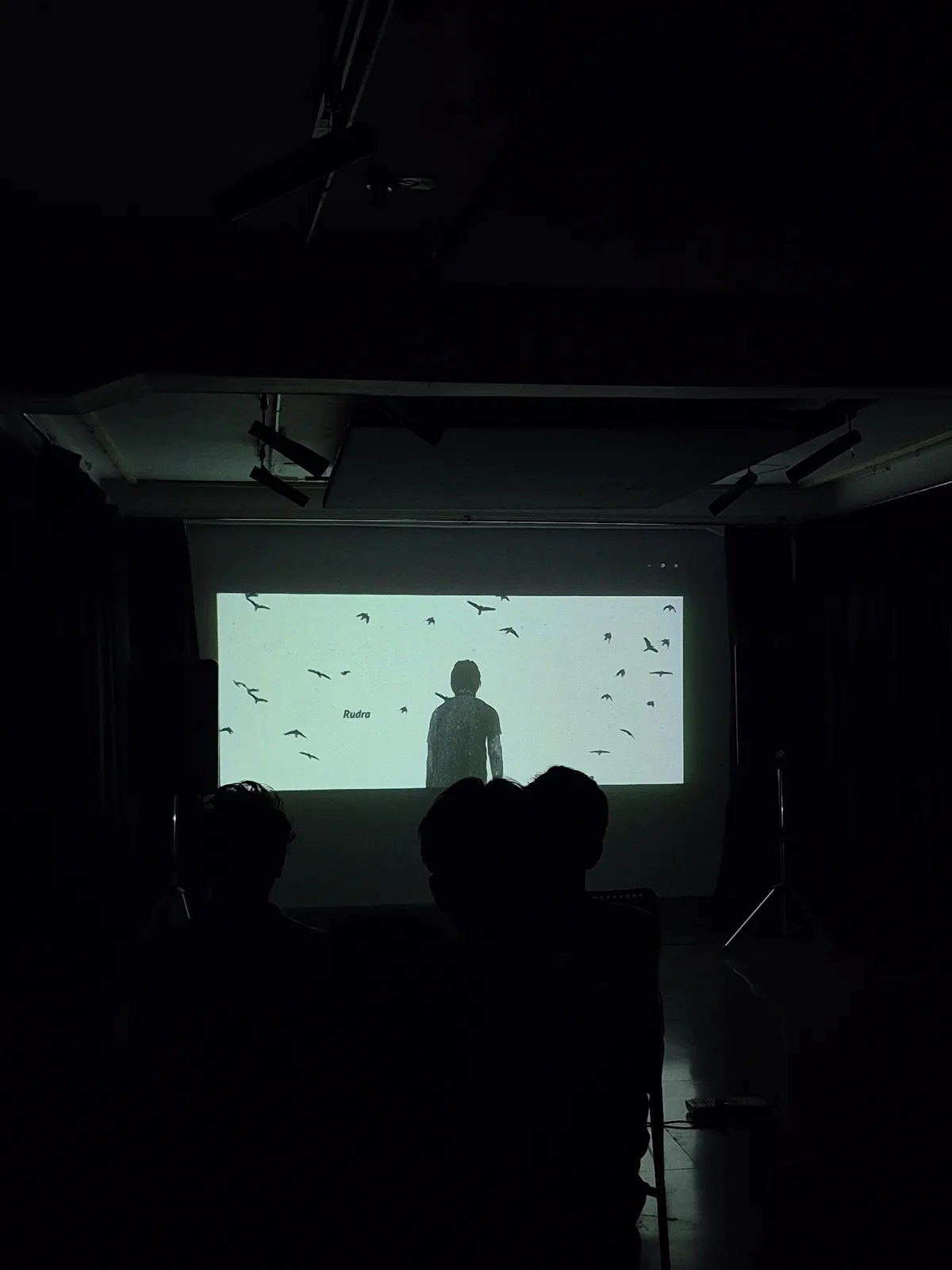
Barog Station: a projected graphic narrative
Hand-painted frames sequenced into a projected animation, shown with the room dressed as the station itself: signage, benches, a public address voice.
Puppetry and object theatre
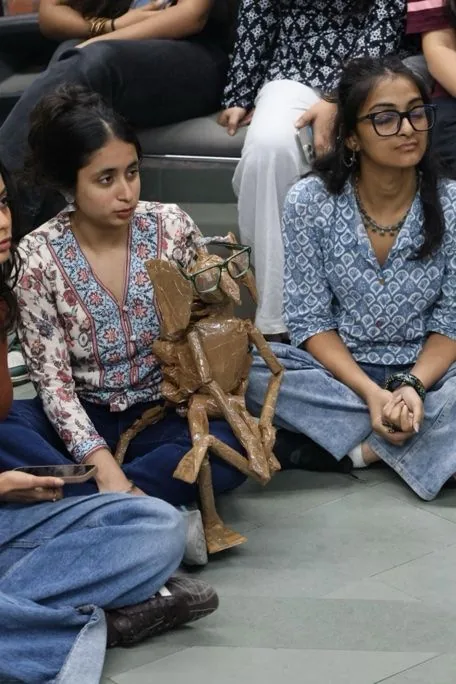
Students began with no prior objects and no prior experience. Four weeks later they presented original puppet works as a live performance, having designed the characters, built the materials, written the narratives and composed the sound.
Process work
How the work on the previous page got made.
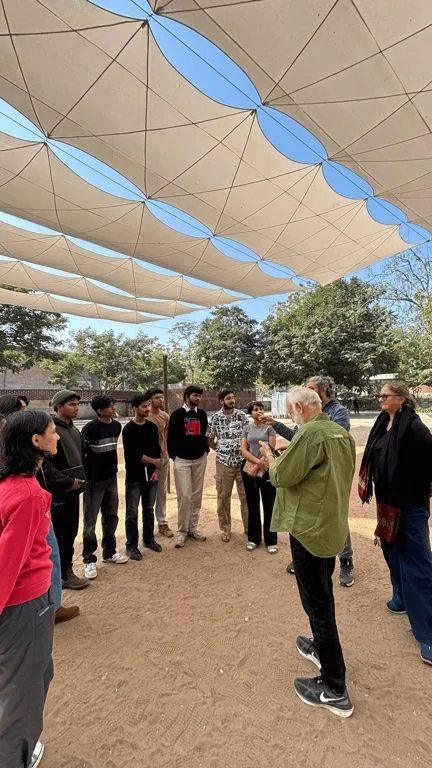
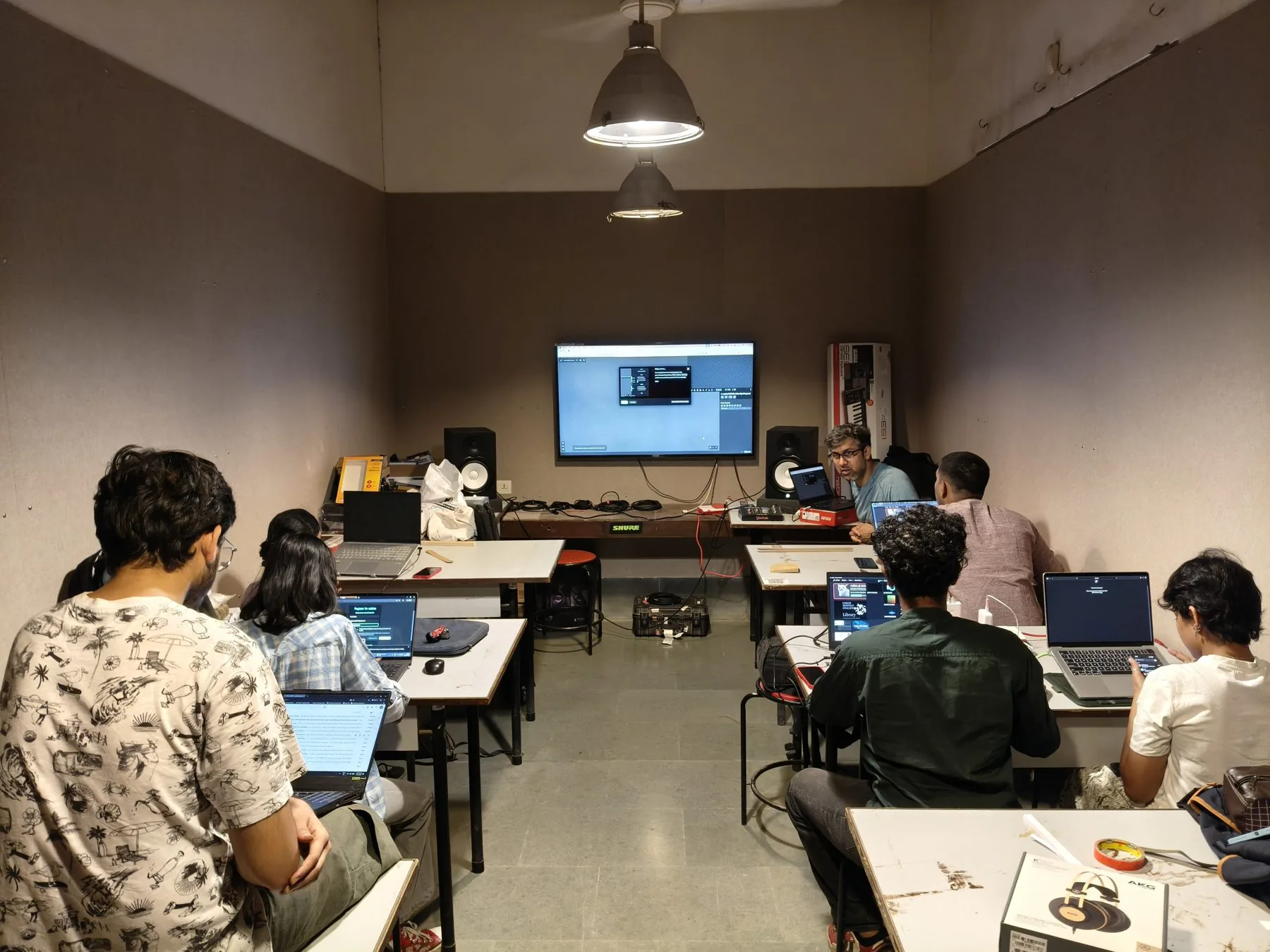
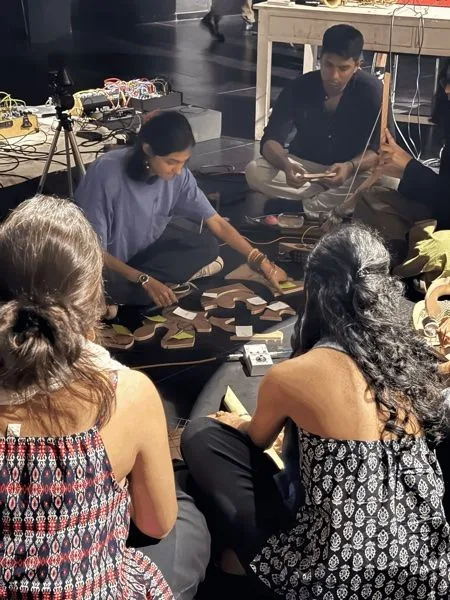
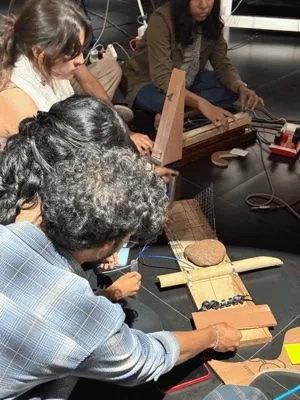
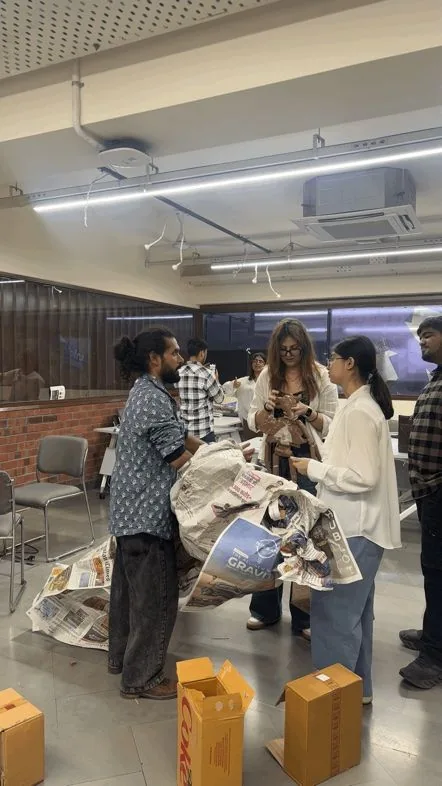
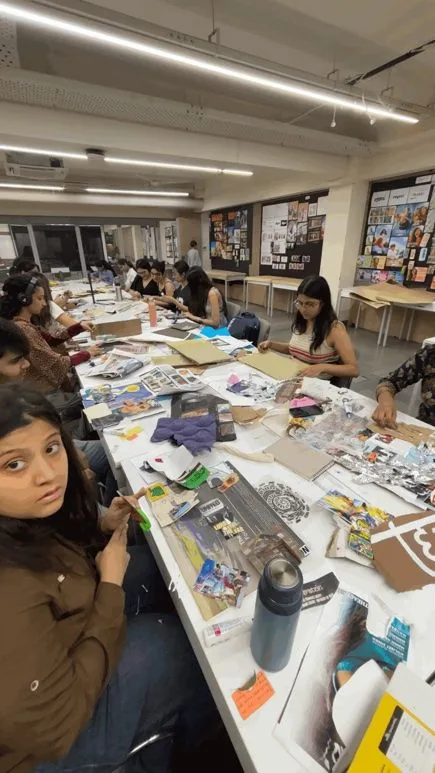
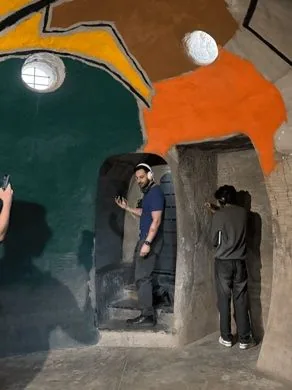
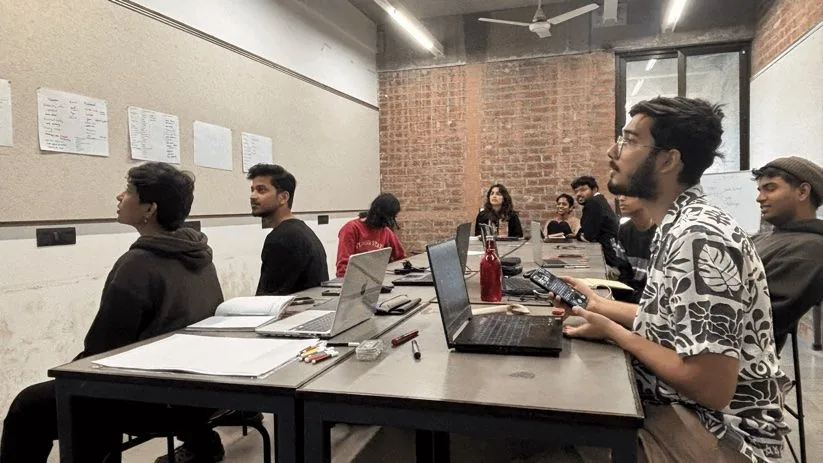
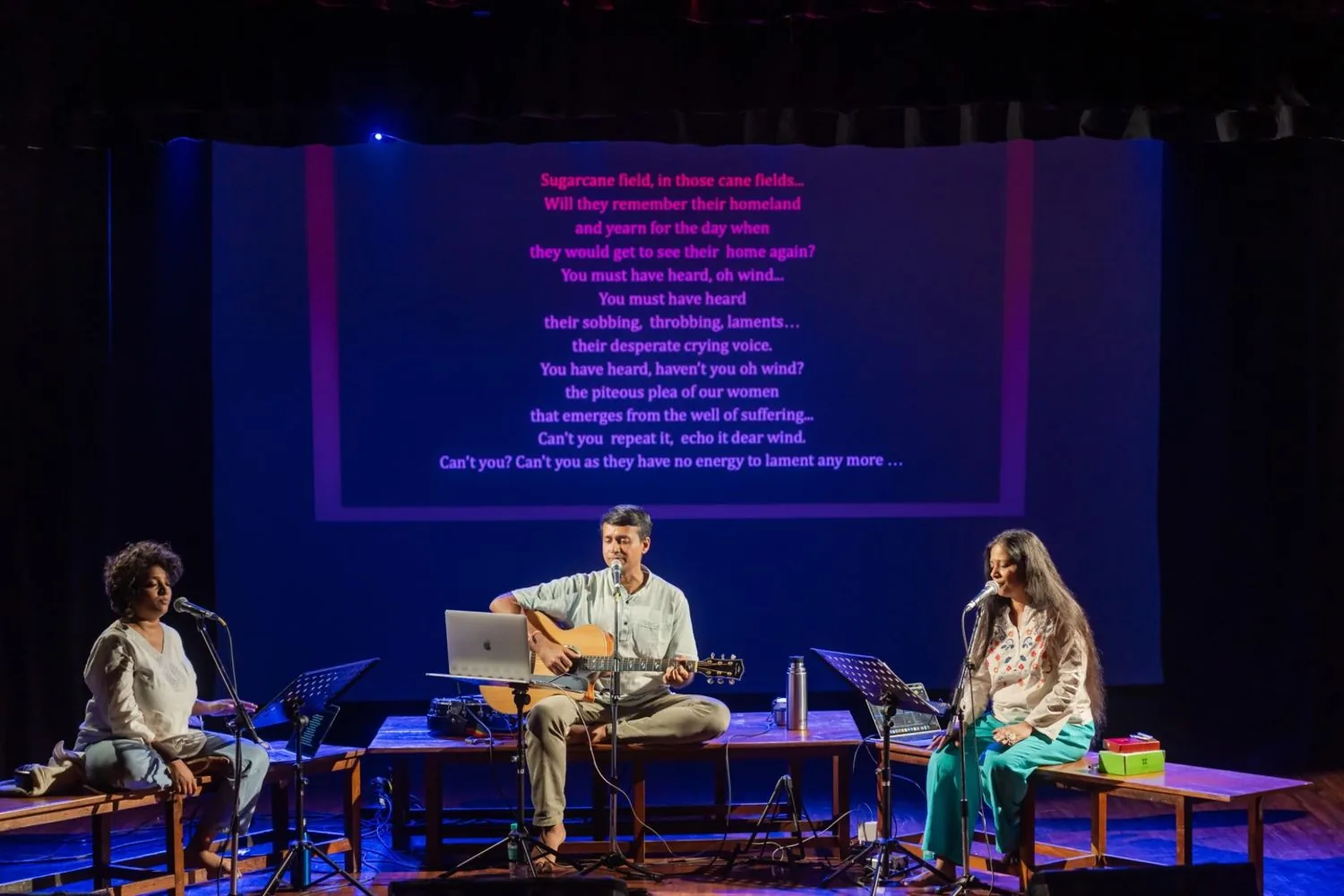
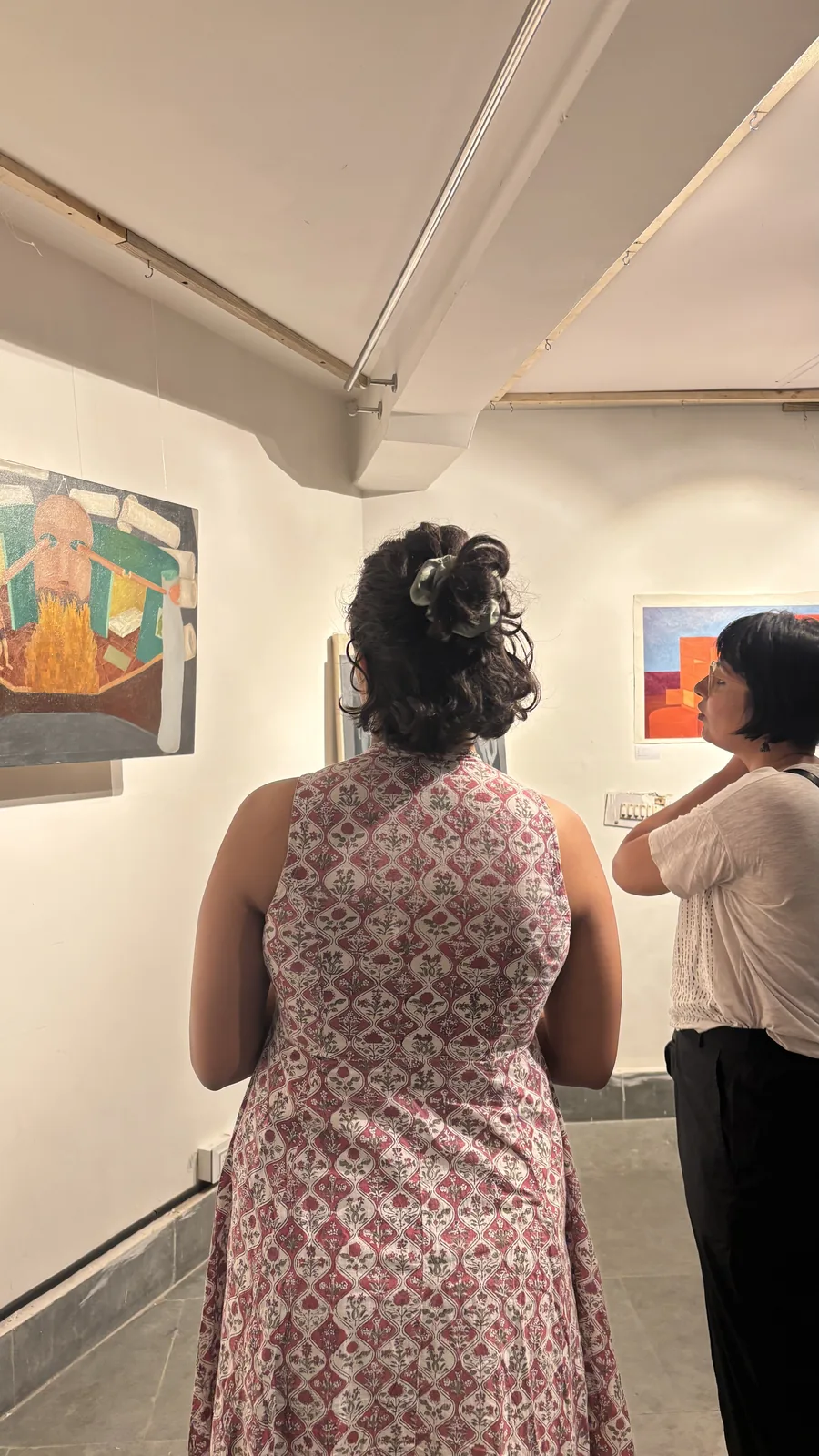
Process is the assessed part of a CAE studio, not the preamble to it. Students submit daily, small and unfinished, and the next morning opens with looking at it together. What follows is the ordinary material of that: listening walks, soldering on the floor, papier-mâché on the table, work pinned to a wall and argued about, and a public showing at the end.
Who teaches
Working practitioners with active careers, not visiting lecturers.
Every programme is led by someone with a live practice in the form. Discipline specialists are drawn in per engagement, so the team is assembled for your brief rather than fixed.
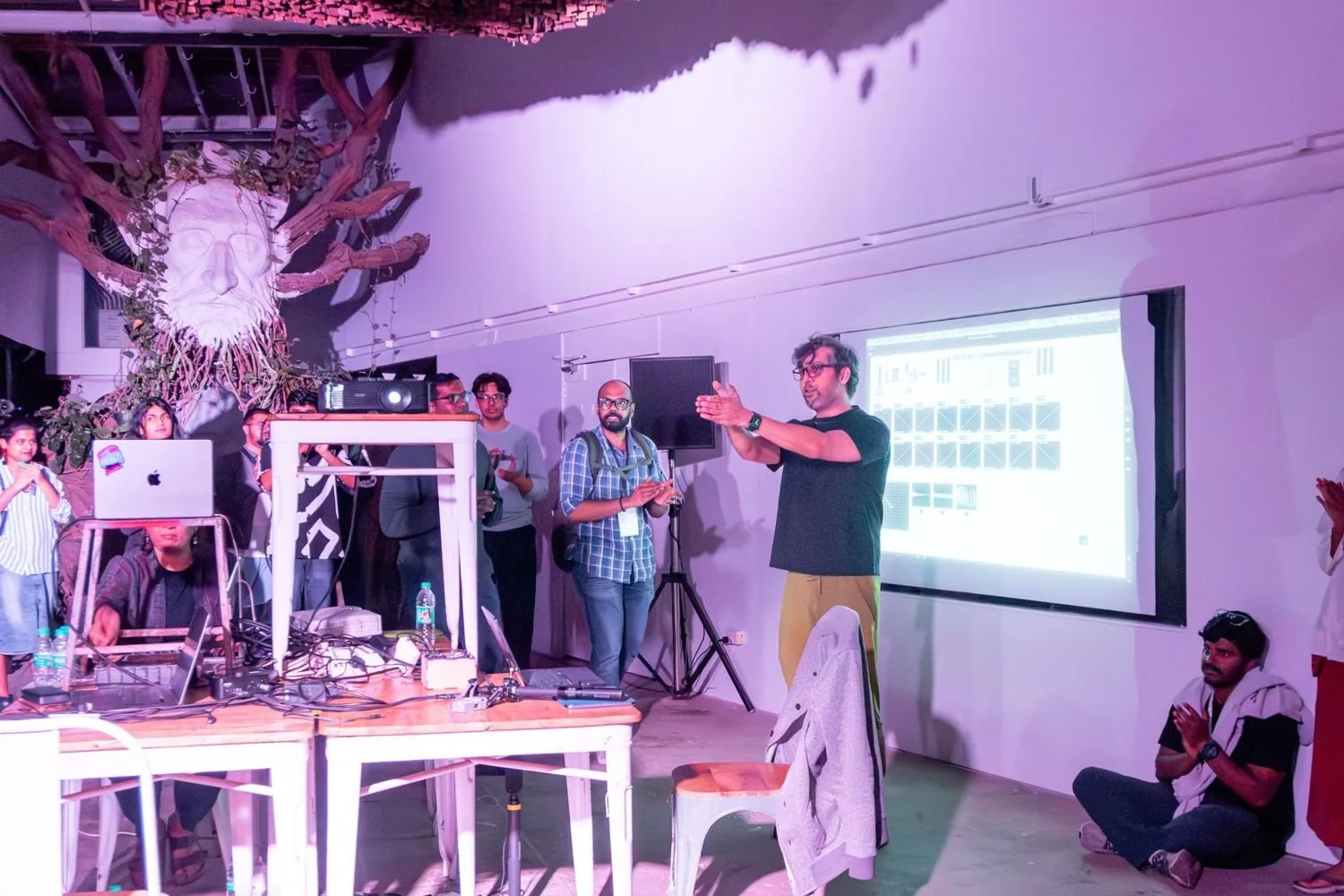
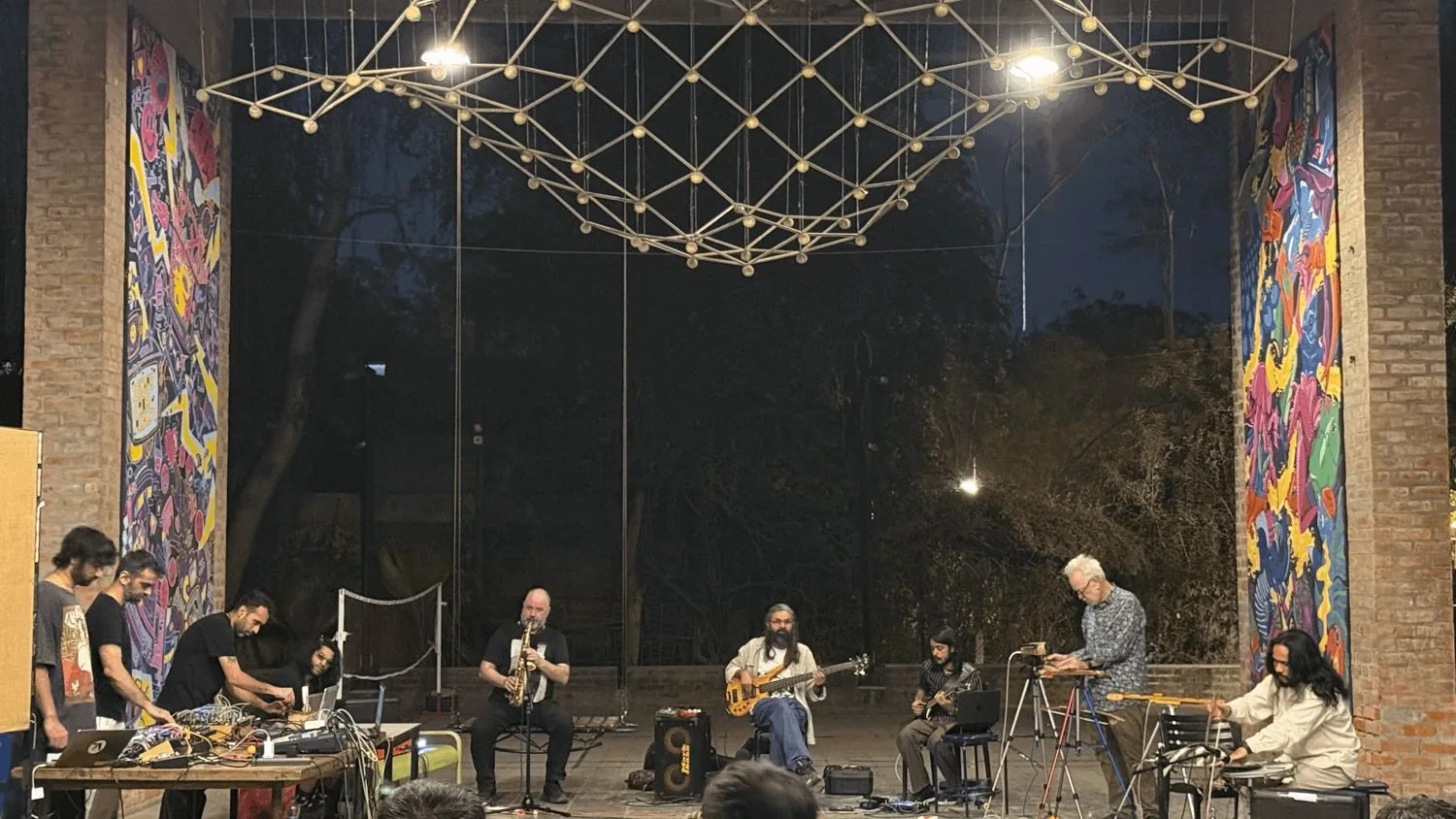
The network reaches outward, and it lands on campus rather than staying on a CV. Listening Otherwise, the first international practice-led conference on improvised music of its kind in India, was produced by W.I.P Labs and hosted at CEPT University and the Kanoria Centre for Arts in Ahmedabad. It put Raymond MacDonald of the Glasgow Improvisers Orchestra, the instrument maker Jay Kreimer and Aldo Ahmad into direct working contact with students and with the Dilli Improvisers Orchestra, in workshops and open rehearsals rather than only in papers and panels. Students built instruments in Kreimer’s workshop, formed an ensemble called Brains on Fire, and performed on those instruments days later.
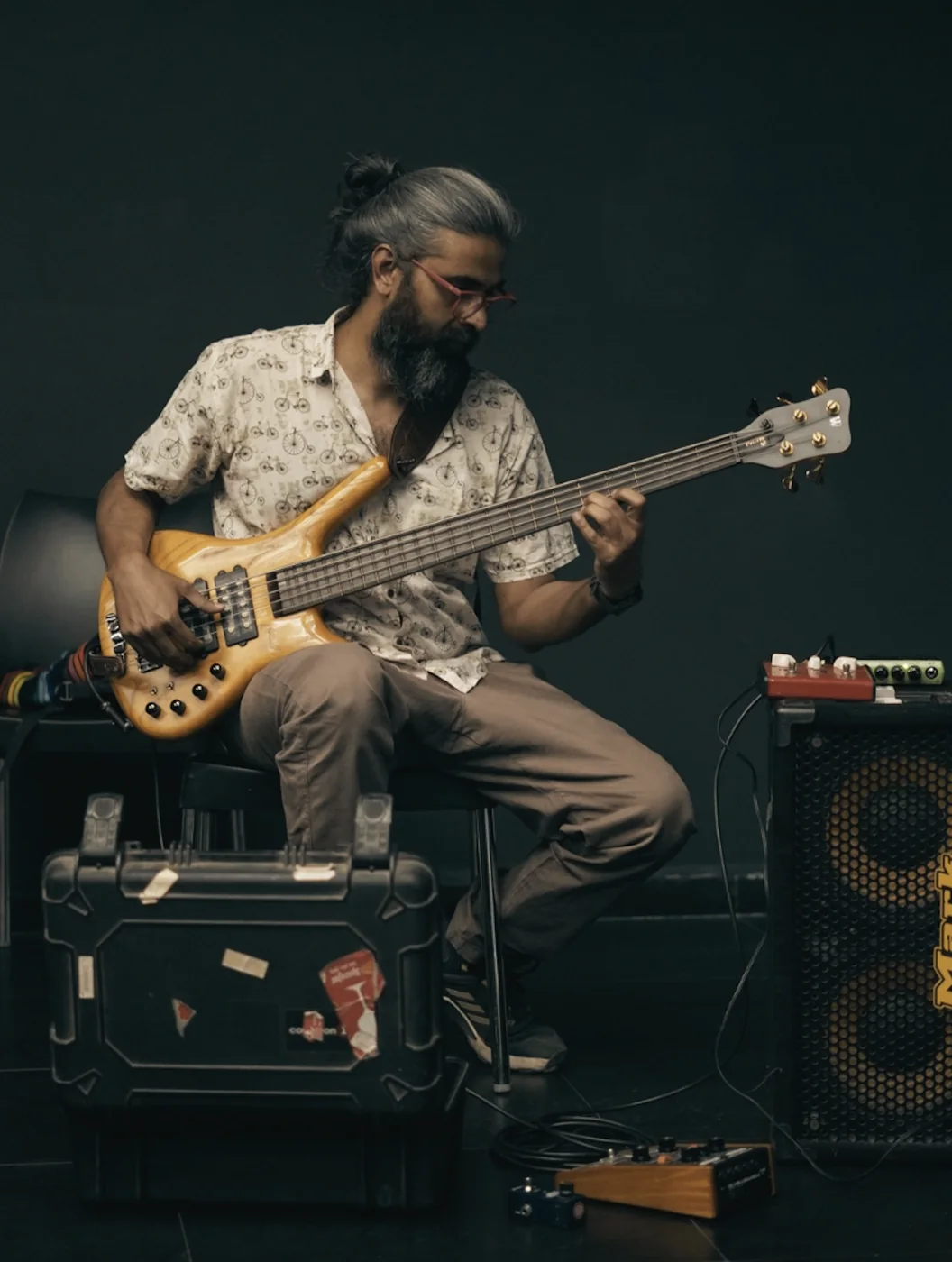
The studio and its strand leads
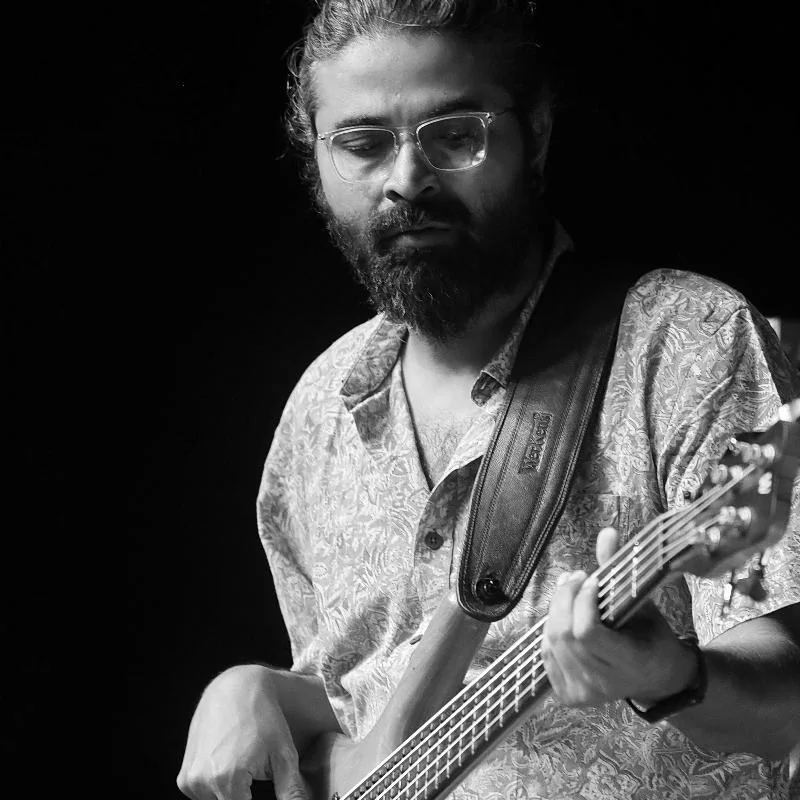
Anirban Ghosh (Baan G)
Musician, sound designer, composer, educator · Founder and Artistic Director, W.I.P Labs
Over two decades of practice in sound design, composition and performance, and studio tutor for the Critical Sound studio at CEPT as professor of practice. Studied under Gary Willis and Karl Peters. Sound design credits include Mandeep Raikhy’s Hallucinations of an Artifact at the Edinburgh Fringe, After Assembly: Constituting India at SOAS, Oxford and York, and Harkat Studios’ Laal Aasmaan, Hara Gulaab, Neeli Dharti. Co-founder, with Vaibhav Batra, of the Dilli Improvisers Orchestra, created under the mentorship of Raymond MacDonald, and a collaborator of the composer Elliot Cole in New York. Managing Trustee of Aagaaz Theatre Trust.
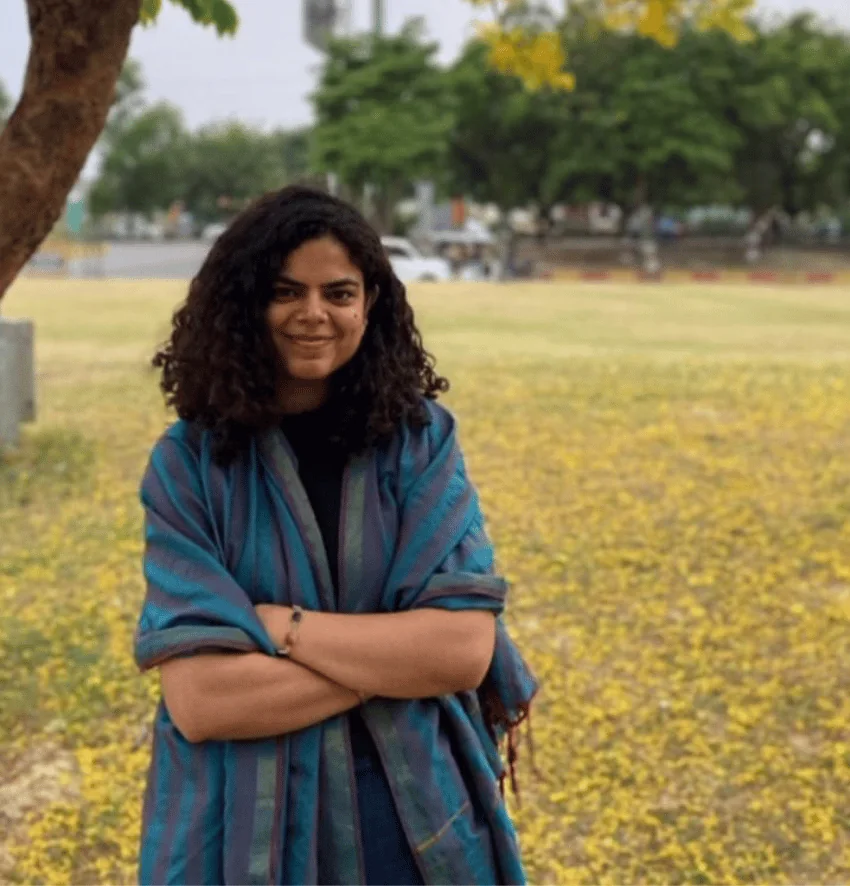
Kirti Sharma
Producer and sound practitioner · Founding and Managing Partner, W.I.P Labs
Produces the CAE engagements and the wider W.I.P Labs programme, and teaches inside the studio as teaching assistant on the Critical Sound studio at CEPT. The person a department actually plans a semester with.
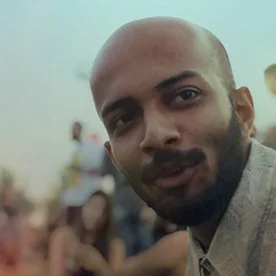
Vidhaat Raman
Sound recordist and designer · FTII alumnus
Production sound mixer on The Elephant Whisperers, the Indian documentary that won the Academy Award for Best Documentary Short Film at the 95th Oscars. Additional credits include The White Tiger as ADR engineer, LSD 2, Mirzapur and Flames. Principal sound designer at Geek Pictures India and an IRAA Award recipient for documentary audio recording.
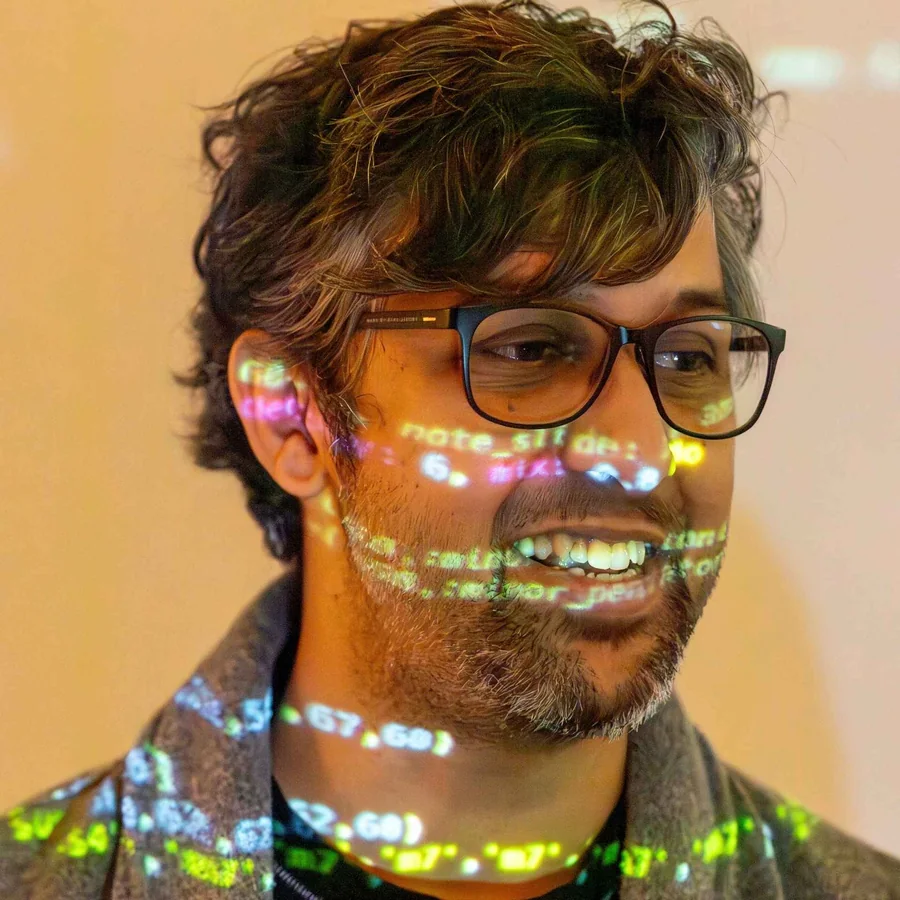
Abhinay Khoparzi
Creative technologist · Co-founder, Algorave India
The central figure in establishing India’s live coding and algorithmic performance scene. Works with TidalCycles, Strudel and SuperCollider, and has performed at Algoraves in Mumbai, Sheffield and internationally. Runs creative coding workshops across India with maker spaces and artist collectives, and has a teaching practice that gets people with no programming background performing quickly.

Hasan Shahrukh
Creative technologist and immersive artist · Founder, Curiouswala Studio
Merges traditional narrative with current technology through interactive and immersive work. Curiouswala Studio blends AI, live coding, projection mapping, generative visuals, sound and interactive objects. Projects range from AI-powered installations and digital folklore to socially resonant interactive works shown at cultural institutions in India and internationally.
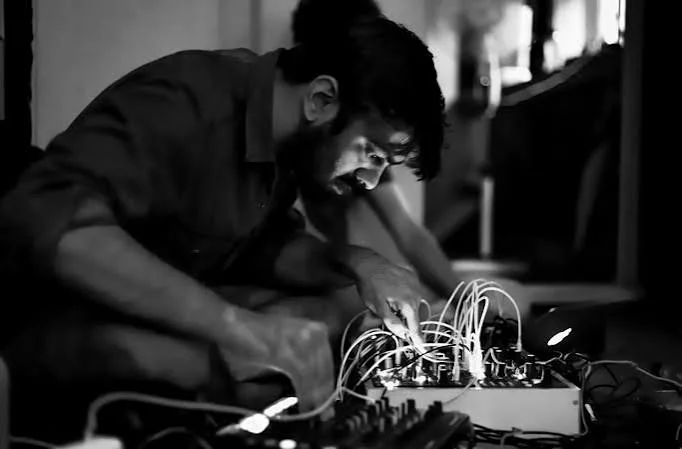
Vaibhav Batra (Psychopanda)
Sound artist, educator, writer · modular synthesist
New Delhi-based, working between free improvisation, deep listening and electronic music. Performs with modular synthesisers and field recordings, and advocates algorithmic composition and machine-based sound systems. Has performed and taught at Khoj Studios and the Sonic Matter festival.
Siddharth Dubey
Sound editor and sound designer · computer engineer
Sound editor and designer with a master’s in sound design for film and television from Bournemouth University, and a computer engineering degree behind it. Came up through Mumbai post-production, with editing credits on Ram-Leela, Aashiqui 2, Ragini MMS 2, Heropanti and Sholay 3D, India’s first Dolby Atmos release. Has taught workshops at FTII Pune, and his earlier years as a producer, DJ and boom operator inform how he teaches.
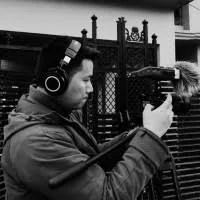
Ankit Thapa
Filmmaker and sound artist · FTII alumnus
Filmmaker and sound artist from Dehradun, and an FTII Pune graduate in sound recording and design. Works across documentary, fiction and independent cinema as production sound recordist, sound designer and re-recording mixer. Shown at Karlovy Vary, Visions du Réel and Dharamshala, where his short fiction The Last Rhododendron won the Gender Sensitivity Award. Currently on the National Geographic-funded documentary Greener Grass and the series Phoenix.
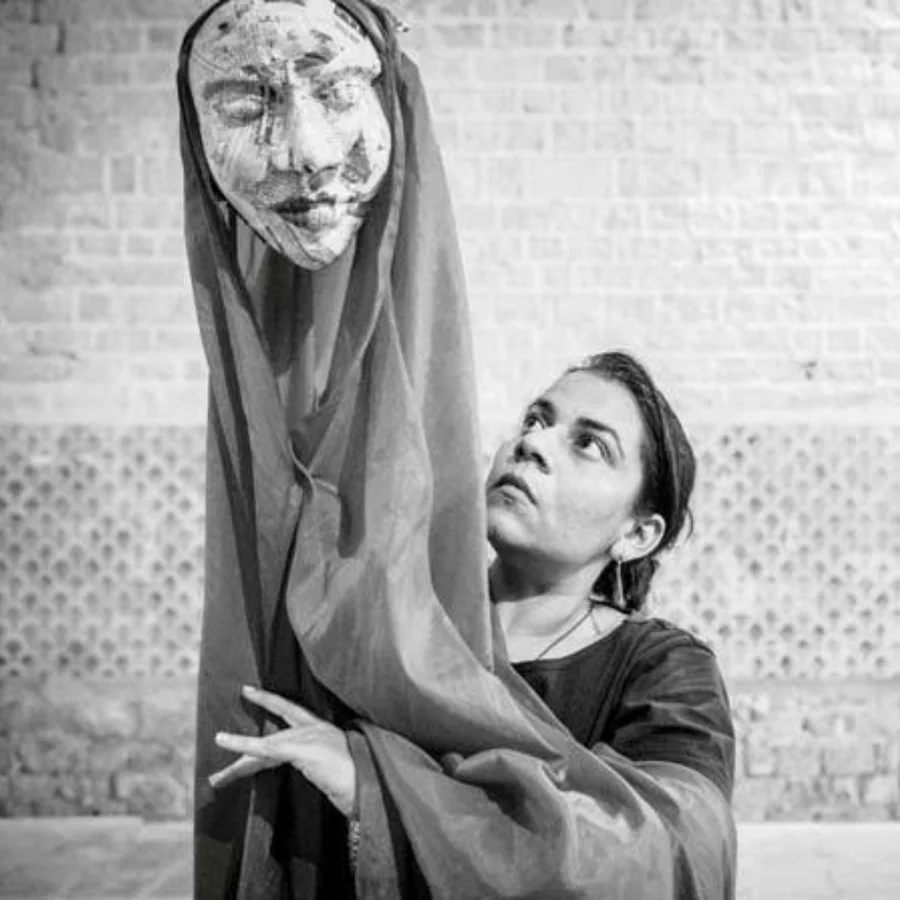
Anurupa Roy
Puppetry innovator and theatre director · Founder, Katkatha Puppet Arts Trust
Internationally acclaimed puppeteer, puppet designer and theatre director who redefines puppetry as a hybrid performing art bringing together sculpture, movement, music, masks and narrative. Has directed work from classical epics to contemporary themes, touring widely in India and abroad, and uses puppetry in education, peace-building and community arts. Recipient of the Ustad Bismillah Khan Yuva Puraskar and the National Award in Puppetry.
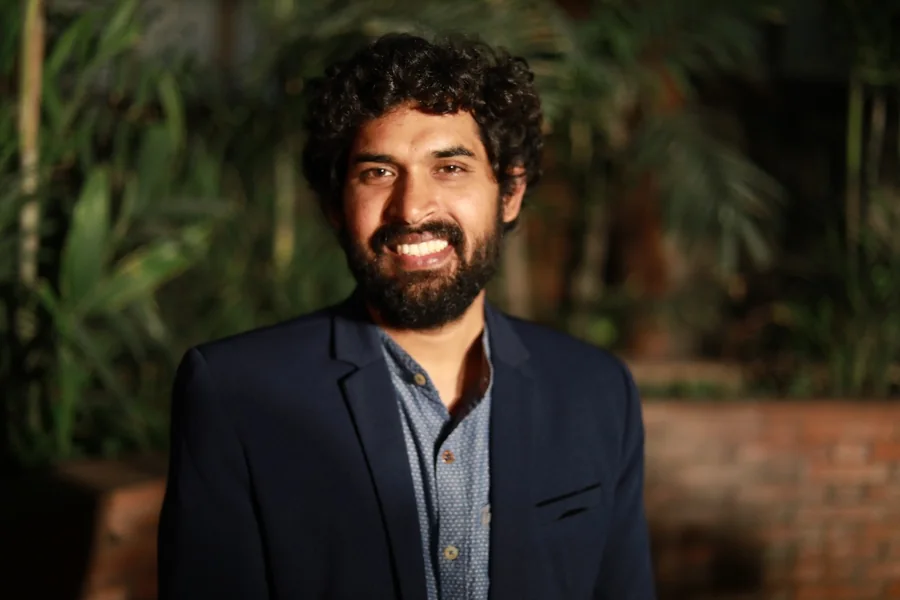
Mohammad Shameem
Puppet maker and performer
Master puppet builder who teaches the making strand: constructing a performing object from found and cast material, where craft and fine art meet. His sculptural papier-mâché heads gave the production Orange Juice its visual identity.
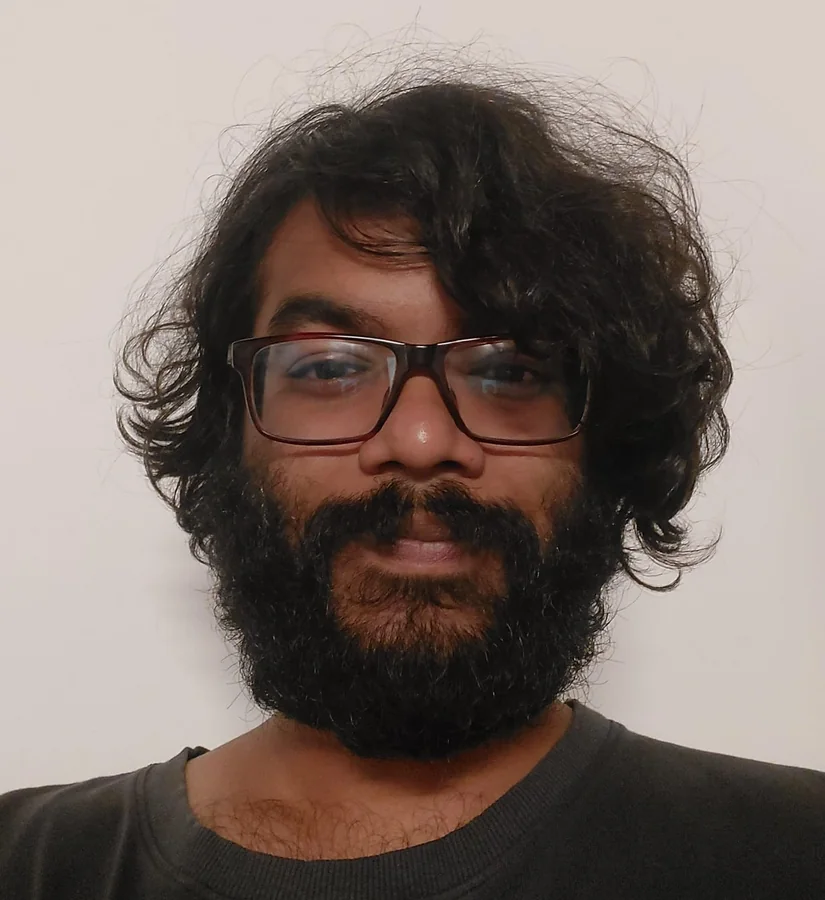
Adheep Das
Theatre-maker, performer, educator · FTII and BITS Goa alumnus
Works at the intersections of puppetry, movement and material-based storytelling, exploring how physical objects and bodies express narrative. A graduate of both BITS Goa and FTII, bringing a rare combination of engineering thinking and performance practice into the studio.
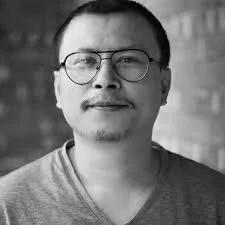
Surjit Nongmeikapam (Bonbon)
Choreographer and movement educator · Founder, Nachom Arts Foundation
Imphal-based, trained in Manipuri dance, Kathak, Kalaripayattu, contemporary dance and Thang-Ta, and developer of Yangshak Movement, a practice rooted in Manipuri philosophy and martial tradition. Has performed at Tanz im August Berlin, Kyoto Experiment, Sadler’s Wells London, ImpulsTanz Vienna, Theatre Olympics NSD and ITFOK Kerala. PECDA award winner in 2014 and 2016.
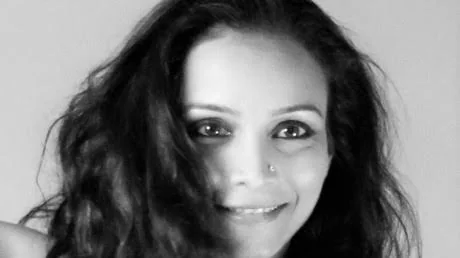
Diya Naidu
Choreographer, dancer, somatic practitioner · Founder, Citizens of Stage Co Lab
Bengaluru-based, former Head of Dance Programming at Shoonya Centre for Art and Somatic Practices. Her work traverses gender and feminism, somatic awareness, intimacy and feminist performance-making. Performed at Kampnagel Hamburg, Attakkalari India Biennale, Korzo Theatre Festival Netherlands and across Europe and Asia. Recipient of a Pro Helvetia co-creation grant.
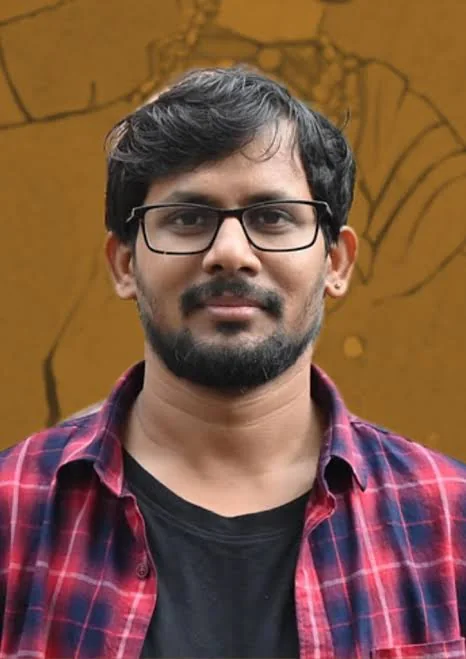
KP Lakshmana
Actor, director, poet · Founding member, Jangama Collective
Karnataka-based performance educator and founding member of Jangama Collective, committed to Dalit aesthetics, cultural memory and political awareness. Graduate of Ninasam Theatre Institute and the Intercultural Theatre Institute Singapore. Shankar Nag Theatre Award 2023. His works We the People of India and Daklakatha Devikavya were nominated at the Mahindra Excellence in Theatre Awards.
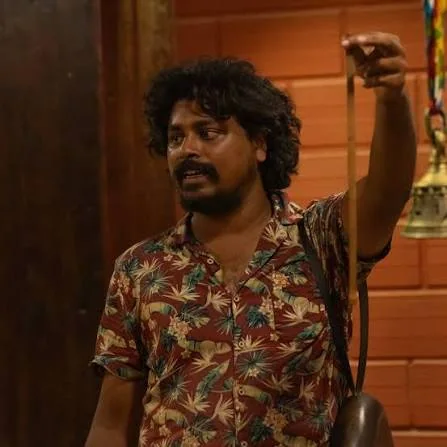
Naren, Adavi Arts Collective
Folk artist, percussionist, theatre director · Founder, Adavi Arts Collective
Leads a Bengaluru-based anticaste arts collective dedicated to the reclamation of folk arts, particularly the Parai: a South Indian percussion instrument historically stigmatised and reclaimed as a symbol of Dalit resistance. Their workshops and community sessions sit between traditional folk practice and contemporary artistic expression.
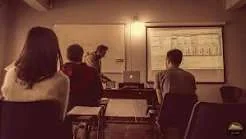
Rahul Singh
Music technologist and educator · Founder, Himalayan Academy of Music Technology
Leads HAMT in Mcleodganj, Dharamsala, India’s first academy dedicated to music technology education in the Himalayan region, focused on contemporary music practice, sound arts and creative sonic exploration in that specific cultural and ecological context.
International practitioners who have worked on our programmes
Brought to Indian campuses to teach and perform alongside students, not to deliver a keynote and leave.
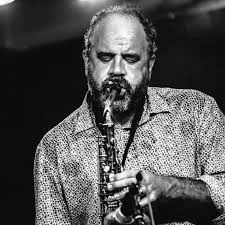
Raymond MacDonald
Saxophonist and composer · Professor of Music Psychology and Improvisation, University of Edinburgh · United Kingdom
A founder member of the Glasgow Improvisers Orchestra, described by BBC Jazz on 3 as one of the best large improvising ensembles in the world. He has released more than sixty records, toured and broadcast worldwide, and written music for film, television, theatre and installation, with much of his work exploring the boundary between improvisation and composition. The Dilli Improvisers Orchestra was created under his mentorship, and he came to Ahmedabad for Listening Otherwise in February 2026 to work directly with students.
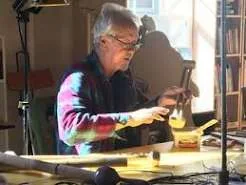
Jay Kreimer
Instrument maker and performer · United States
Builds and performs on his own invented instruments. He led the instrument-building workshop with the Critical Sound studio students from which the three junk instruments on this page came, and performed at Listening Otherwise. An example of what a visiting practitioner can be when they teach rather than present.
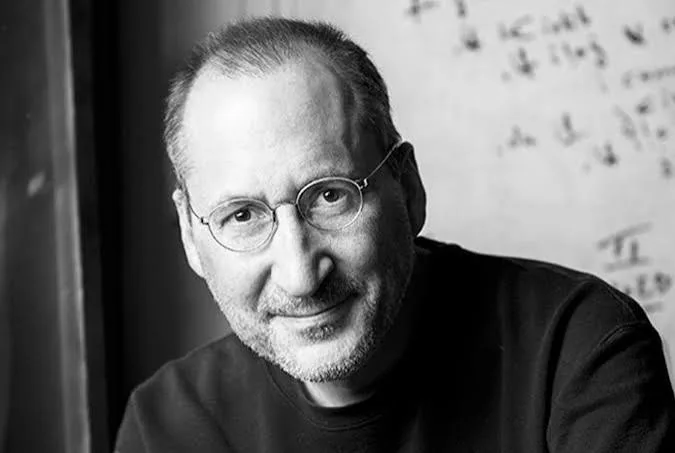
Chris Salter
Artist · Professor of Immersive Arts and Director of the Immersive Arts Space, Zurich University of the Arts · Switzerland
Professor Emeritus of Design and Computation Arts at Concordia University in Montreal, co-founder of the Milieux Institute there, and author of Entangled, Alien Agency and Sensing Machines, all from MIT Press. His artistic work has been shown at the Venice Architecture Biennale, the Barbican Centre, Berliner Festspiele, Wiener Festwochen and ZKM among many others.
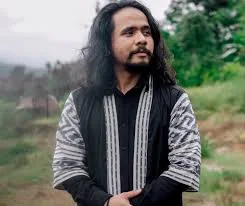
Aldo Ahmad
Improviser and performer
An improvising musician who came to Ahmedabad for the first edition of Listening Otherwise in February 2026, working directly with students and with the Dilli Improvisers Orchestra through talks, workshops, listening sessions and open rehearsals, and performing in the concerts that closed the week.
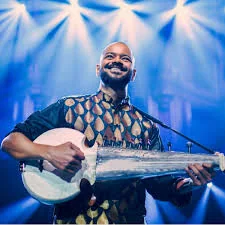
Soumik Datta
Sarod player and composer · Aga Khan Music Award winner
Earth Day Network Ambassador in Delhi, and the collaborator on the first edition of Common Breath, the W.I.P Labs residency that brings musicians, sound designers and artists into sustained contact with local ecologies and air quality research. Common Breath is offered to universities as an embedded research programme.
Between them, the practitioners in this network have studied, taught or held positions at FTII Pune, the National Institute of Design, NIFT Delhi, Srishti Manipal, IIT Gandhinagar, MIT Institute of Design, Avantika University, Ecole Intuit Lab, BITS Goa, Ninasam Theatre Institute, the Intercultural Theatre Institute Singapore, the University of Edinburgh, Zurich University of the Arts, Concordia University and Stanford University. Specialists in instrument making, voice, acoustics, game audio, applied theatre and research join for specific strands, with full profiles in any proposal. The institutions above are individual histories rather than institutional partnerships of W.I.P Labs, which is why they appear here as a sentence rather than on the logo walls.
About W.I.P Labs
Run by artists, for artists.
W.I.P Labs, or Work In Progress Labs, is a New Delhi-based artist-run platform: an interdisciplinary arts organisation working across experimental sound, performance, new media, live coding, puppetry, object theatre and critical practice. For artists, by artists.
We produce festivals, residencies, commissions and public projects, from live-coding concerts to object theatre, from acoustic ecology to immersive installation. We curate and support work that questions prevailing notions of art without compromising on criticality or aesthetics, and we make it for museums, institutions and public space as well as for stages. We also teach, and our entry into education came directly from practice rather than from institution. That is the whole distinction.
India’s contemporary arts landscape is expanding rapidly, yet independent and experimental artists still lack sustainable platforms for collaboration, experimentation and international exchange, and practices outside mainstream formats stay fragmented and under-supported. What we are building is a new ecosystem for that work: fearless, transparent, socially engaged and collaborative. CAE is the part of it that happens inside universities, building temporary ecosystems of radical experimentation on campus, living laboratories where artists and learners meet in shared inquiry, risk-taking and collaborative making.
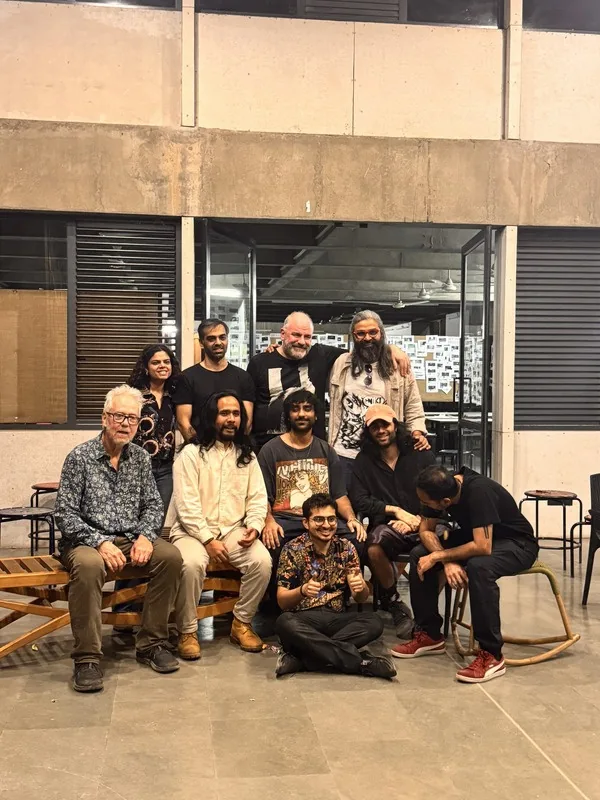
Festivals, conferences and programming
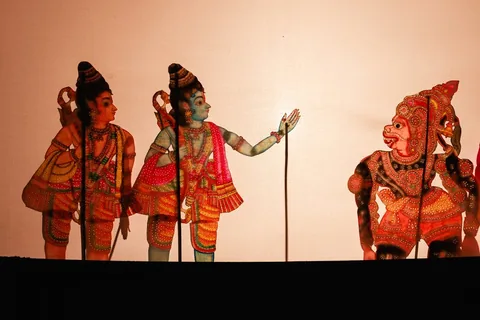
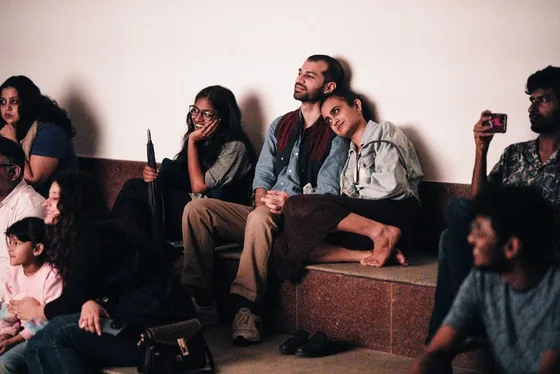
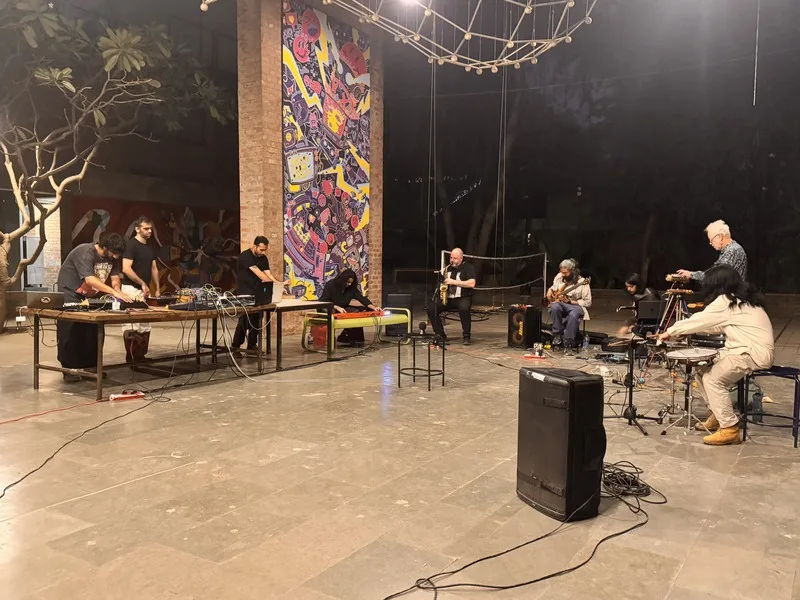
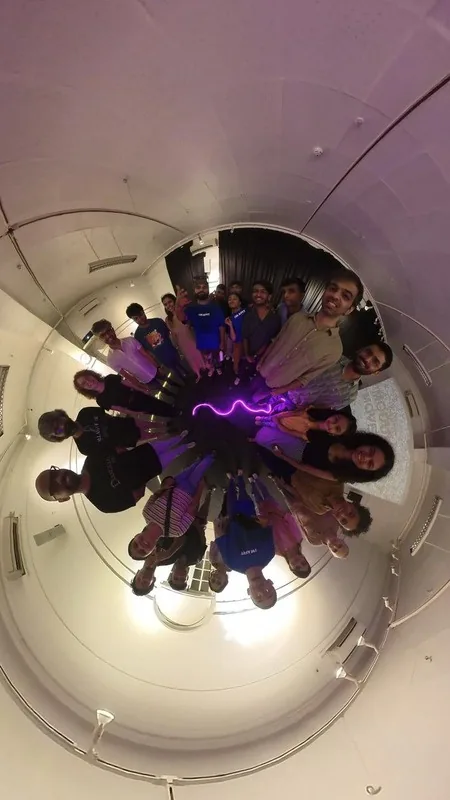
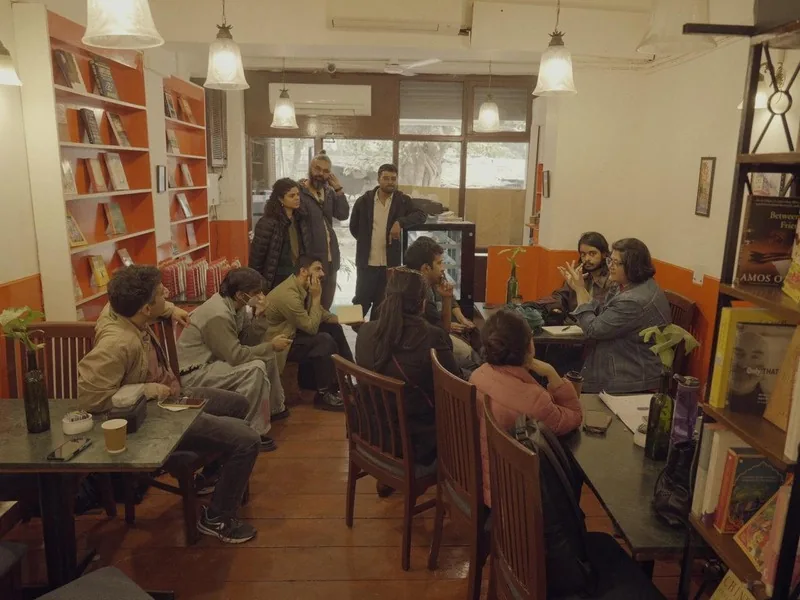
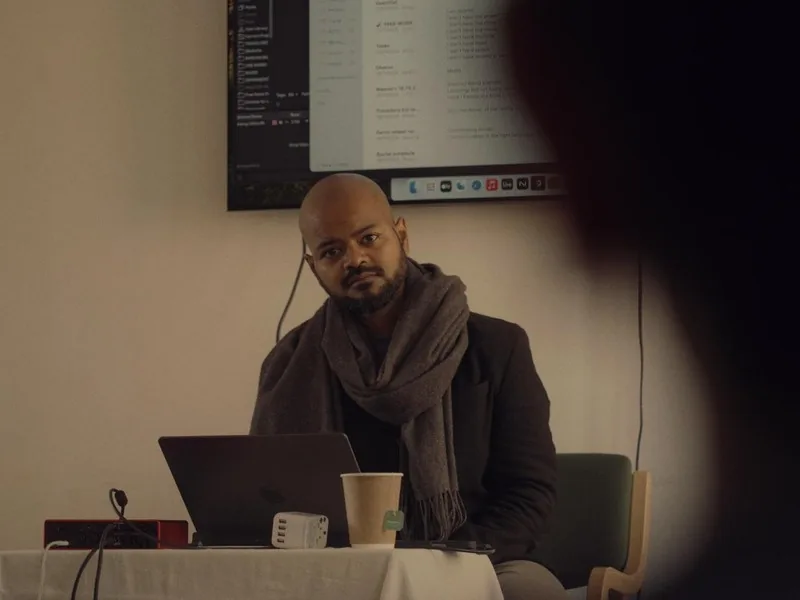
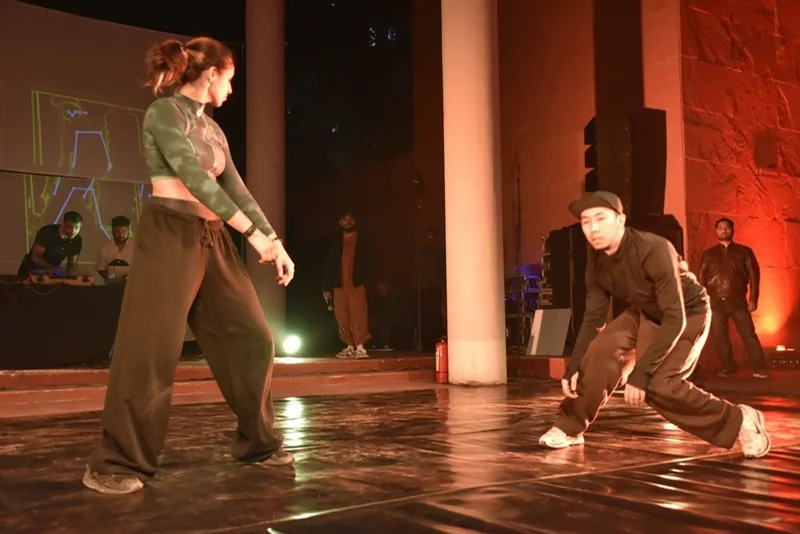
W.I.P alt.FEST is a multi-arts festival created, conceptualised and produced by W.I.P Labs and dedicated to alternative, experimental and interdisciplinary practice. The first edition ran in December 2024 across Bengaluru and New Delhi, presenting more than two hundred performances, screenings, exhibitions, workshops and talks across twenty-four venues. It is envisioned as a biennale-scale gathering, and the second edition is planned for 2026 and 2027. Little Stint, the roaming capsule made with the ODDBird Foundation, began at Shed 9, Dhan Mill in October 2023 with ten performances by independent women artists over five days.
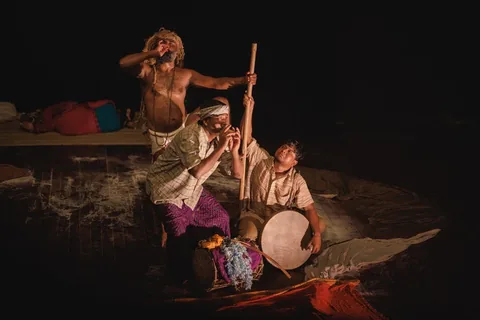
Production
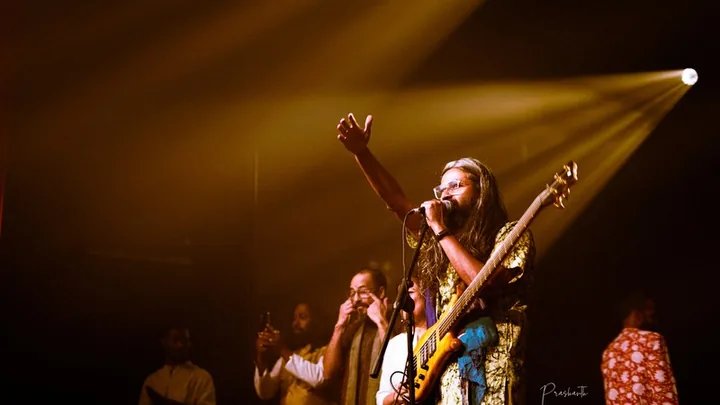
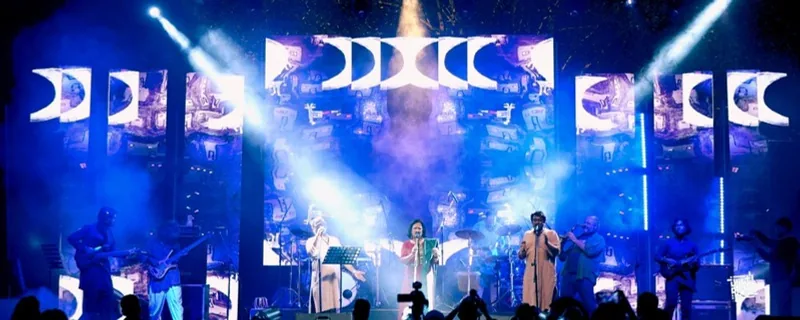
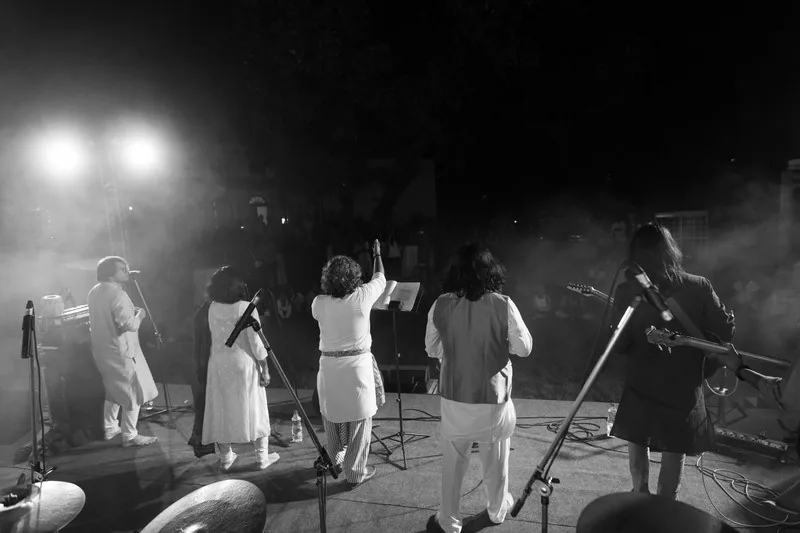
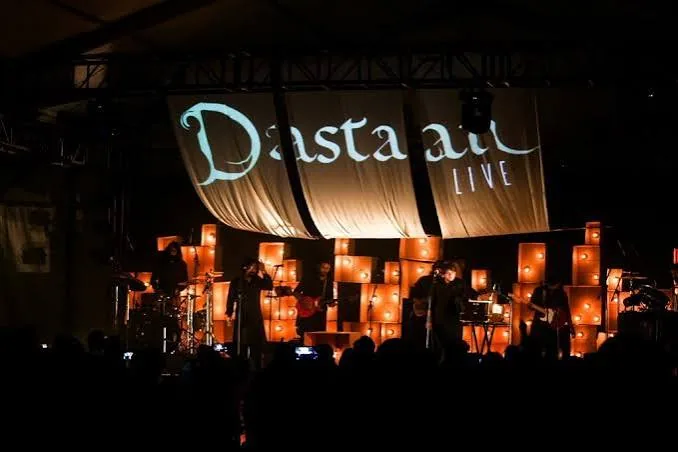
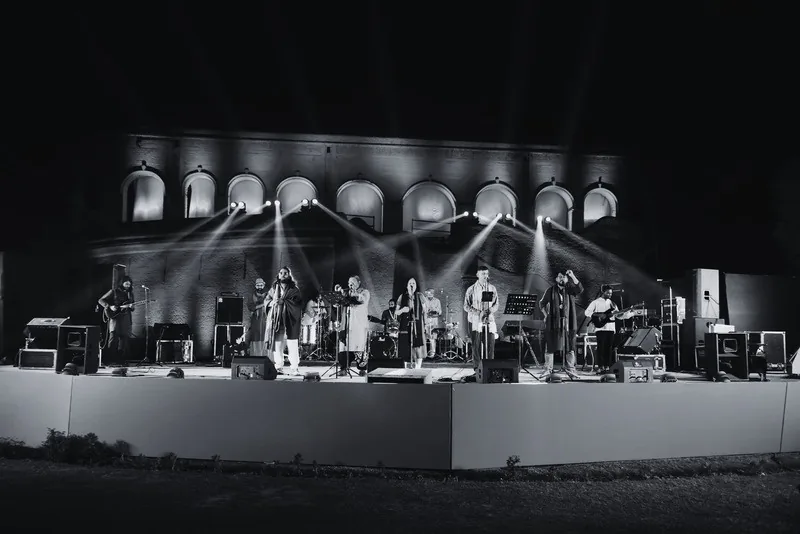
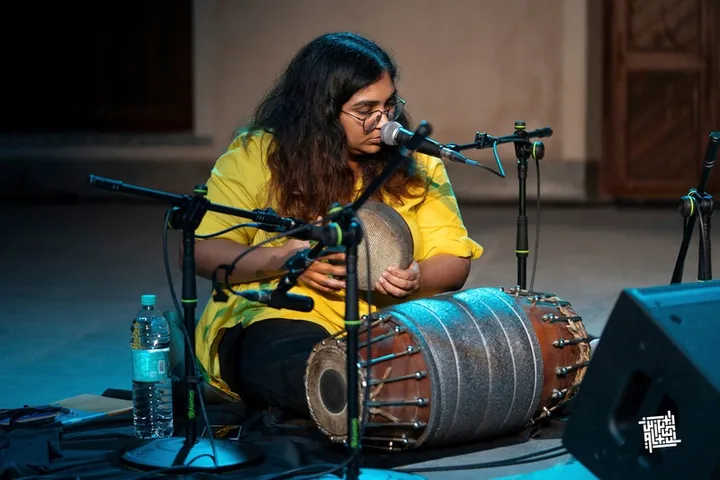
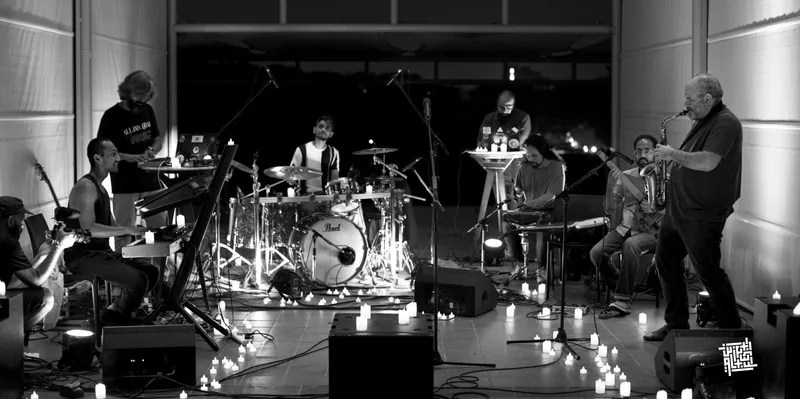
The collective produces and stages live work as well as programming it. Kabira Khada Bazaar Mein is Dastaan LIVE’s rock opera, produced by W.I.P Labs: a reinterpretation by M.K. Raina and Baan G of the music of the 1982 play written by Bhisham Sahni, originally composed by the late Panchanan Pathak. It has been performed on more than fifty stages across fifteen cities. Dastaan LIVE itself is an art-rock collective founded in 2018 by Anirban Ghosh and Nikhil Vasudevan.
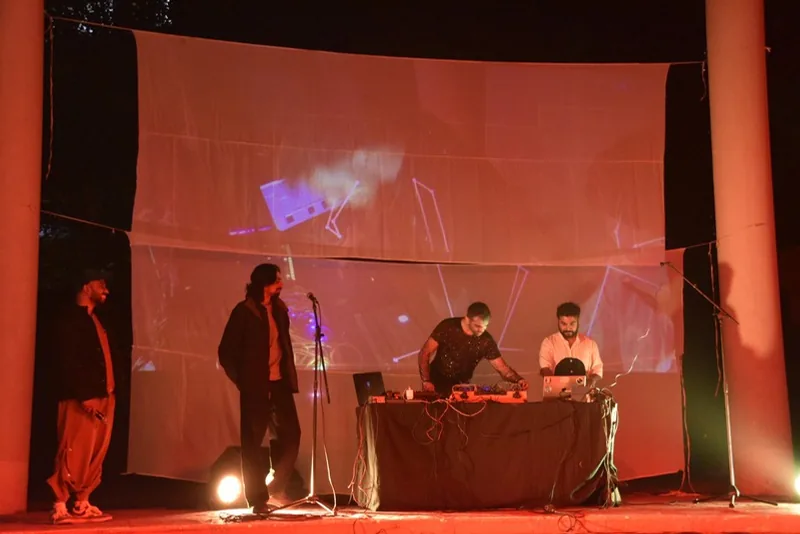
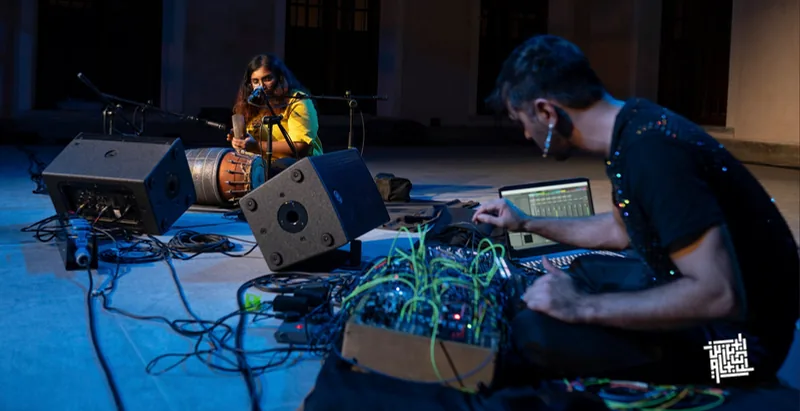
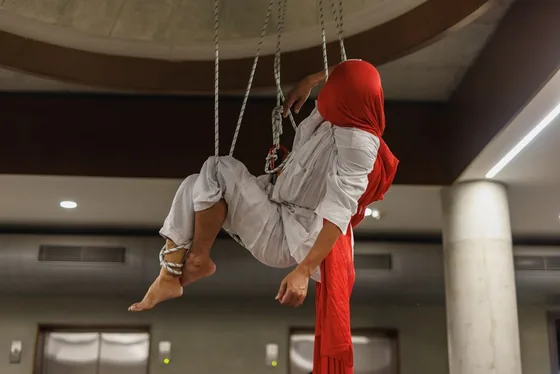
Alongside it run A Night at the Opera, with the French opera singer Vaibhavi and the Indo-Brazilian guitarist Pranay; Soul Seeking, for modular synth and vinyl; and En Passant, an avant-garde music and live chess duo. The installation work is sensor-driven and built for public space: Chayaa’r Dwaar, a bamboo installation making a ritual space for reflection at Terminal 2 of Bengaluru airport; Bamboo Ears at the Vidhana Soudha, a silent sculptural provocation about democratic listening; Whispering Walls at Goethe-Institut Delhi, a responsive story booth holding personal and political narratives in sonic form; and Echoes Before Rain at Travancore Palace, an immersive walkway where projections of rain and thunder are triggered by the people walking through it.
Two institutional programmes
W.I.P CAE
Creative Arts Exploration in Education embeds practice-based arts pedagogy into university curricula as a core academic layer rather than an elective. Currently active at Unitedworld Institute of Design at Karnavati University and at the Indian Institute of Art and Design, with Anirban Ghosh teaching courses and running workshops in critical sound design at CEPT University, Ashoka University and IIM Ahmedabad.
W.I.P AutumnSKUL is its residential extension: an itinerant collective arts residency, first held at Rakkar in the Kangra Valley in October 2025, with workshops in film appreciation, sound design, live coding, and Andean rhythms and sampling led by the Ecuadorian musicians Esteban Farinango and Juan Saenz.
ART IMMERSION
The corporate programme, drawing on theatre, music, movement and improvisation to address diversity and inclusion, leadership, communication and creative problem-solving. Each module is designed with practising artists and tailored to the organisation.
Most recently delivered as two separate two-day workshops for women professionals at ITC Limited, as part of the organisation’s DEI initiatives.
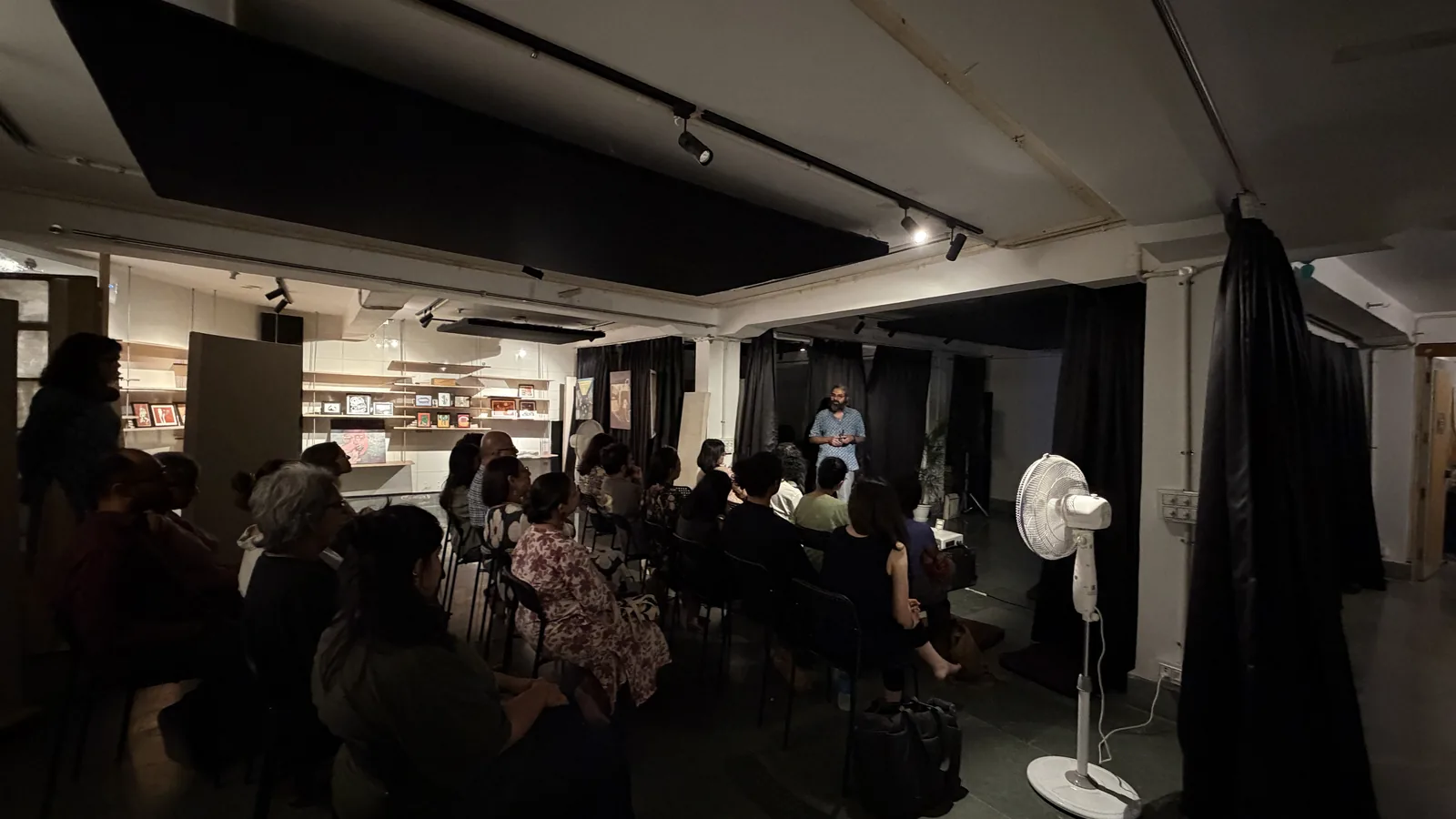
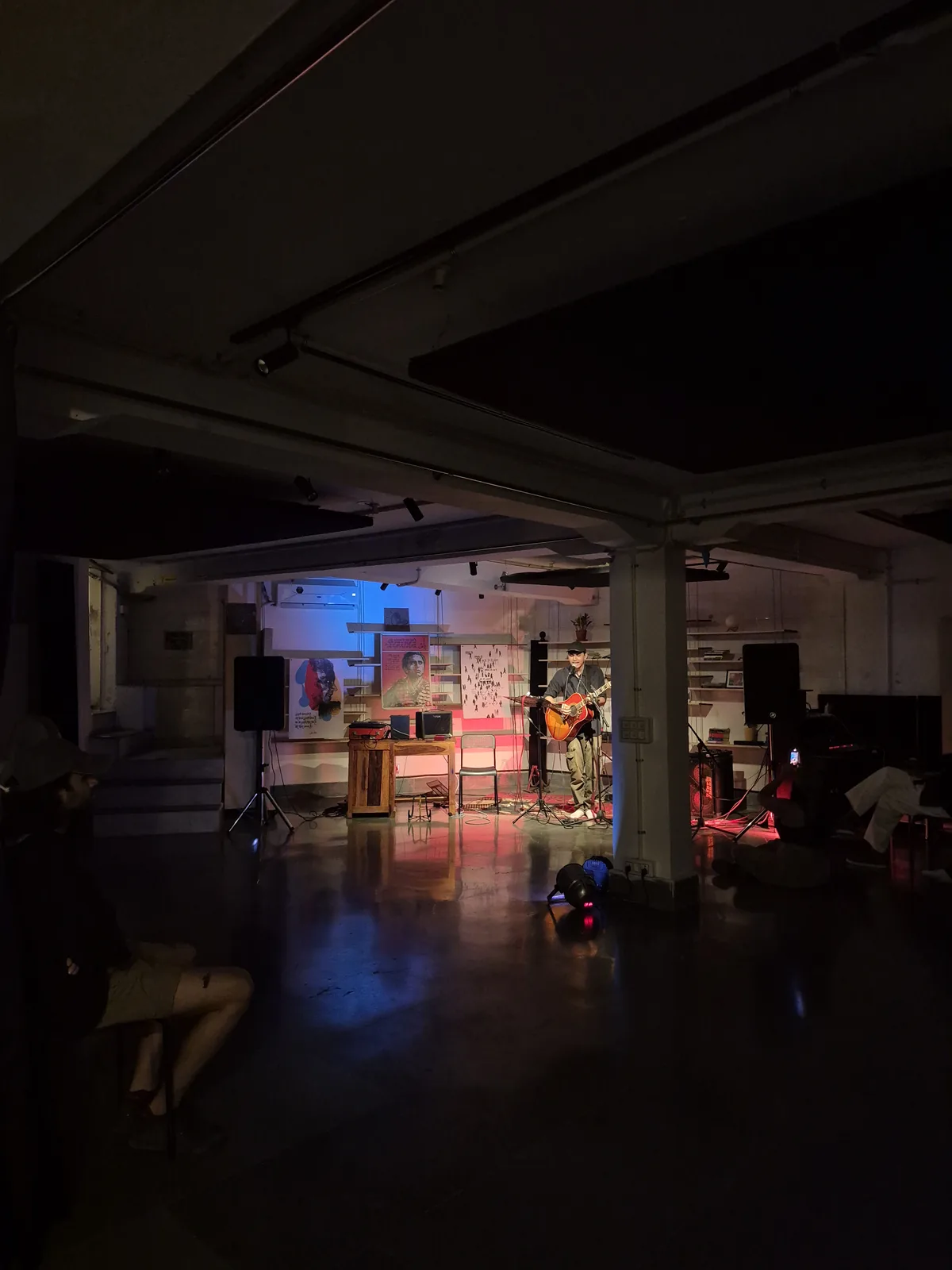
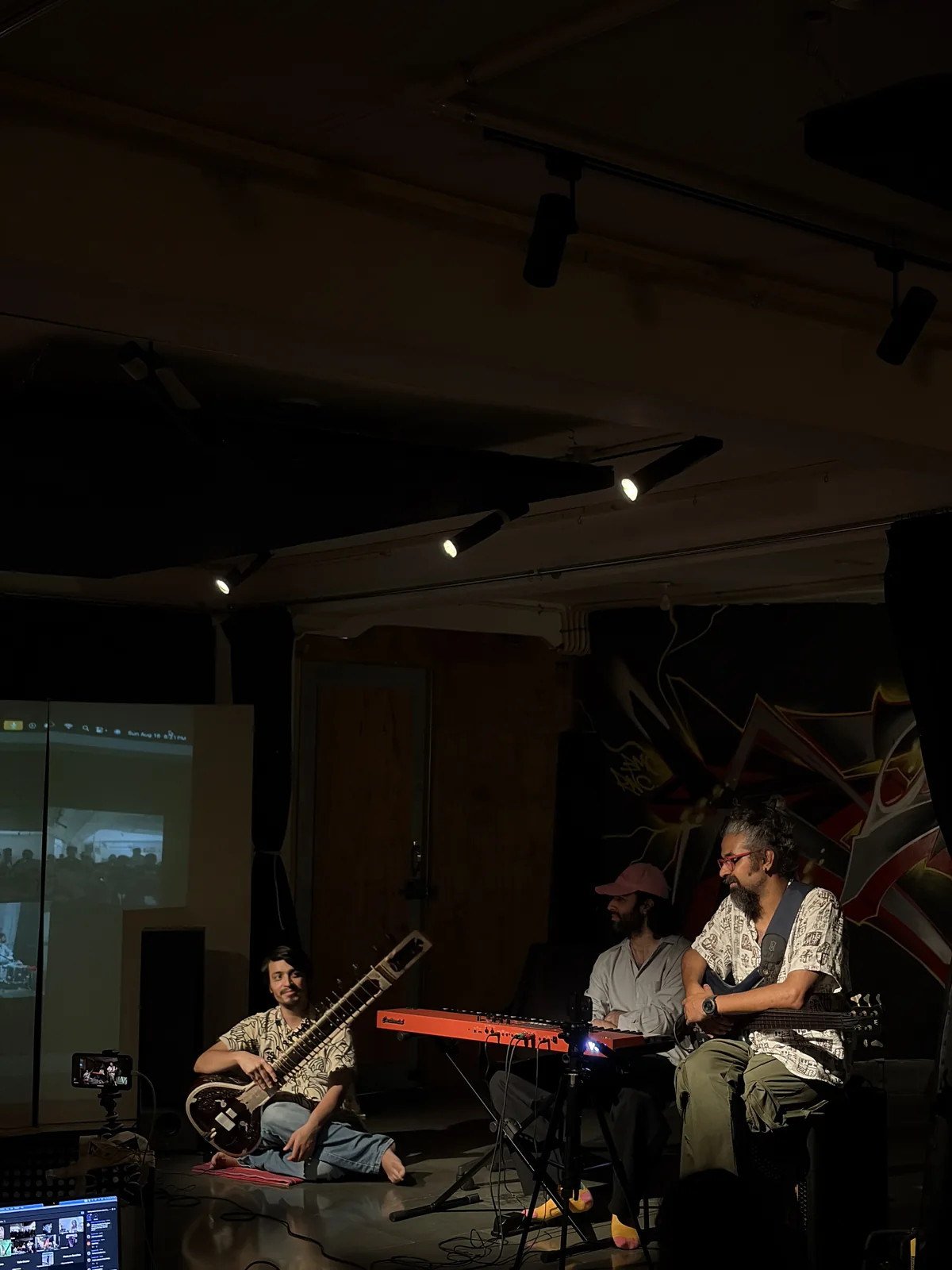
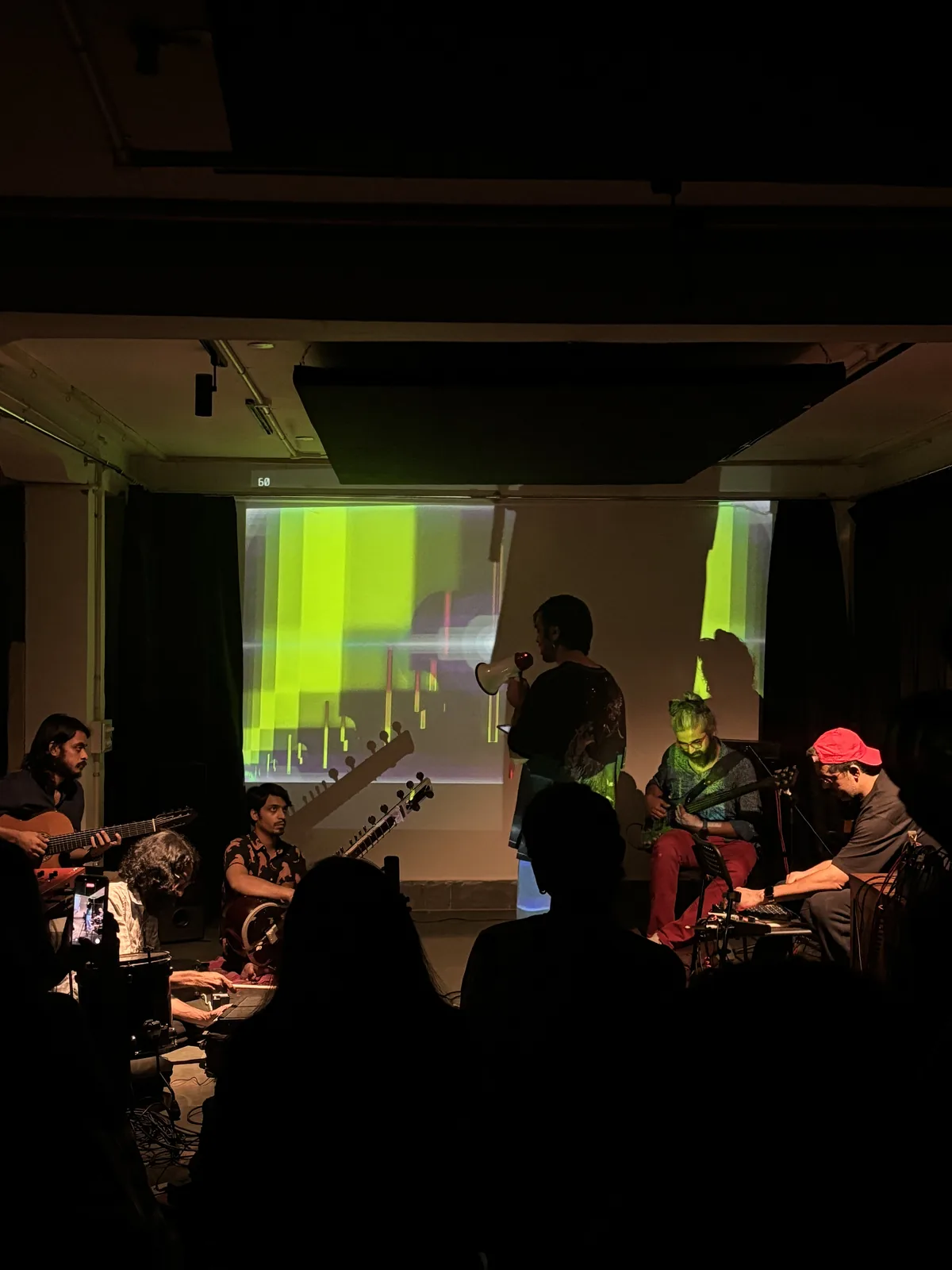
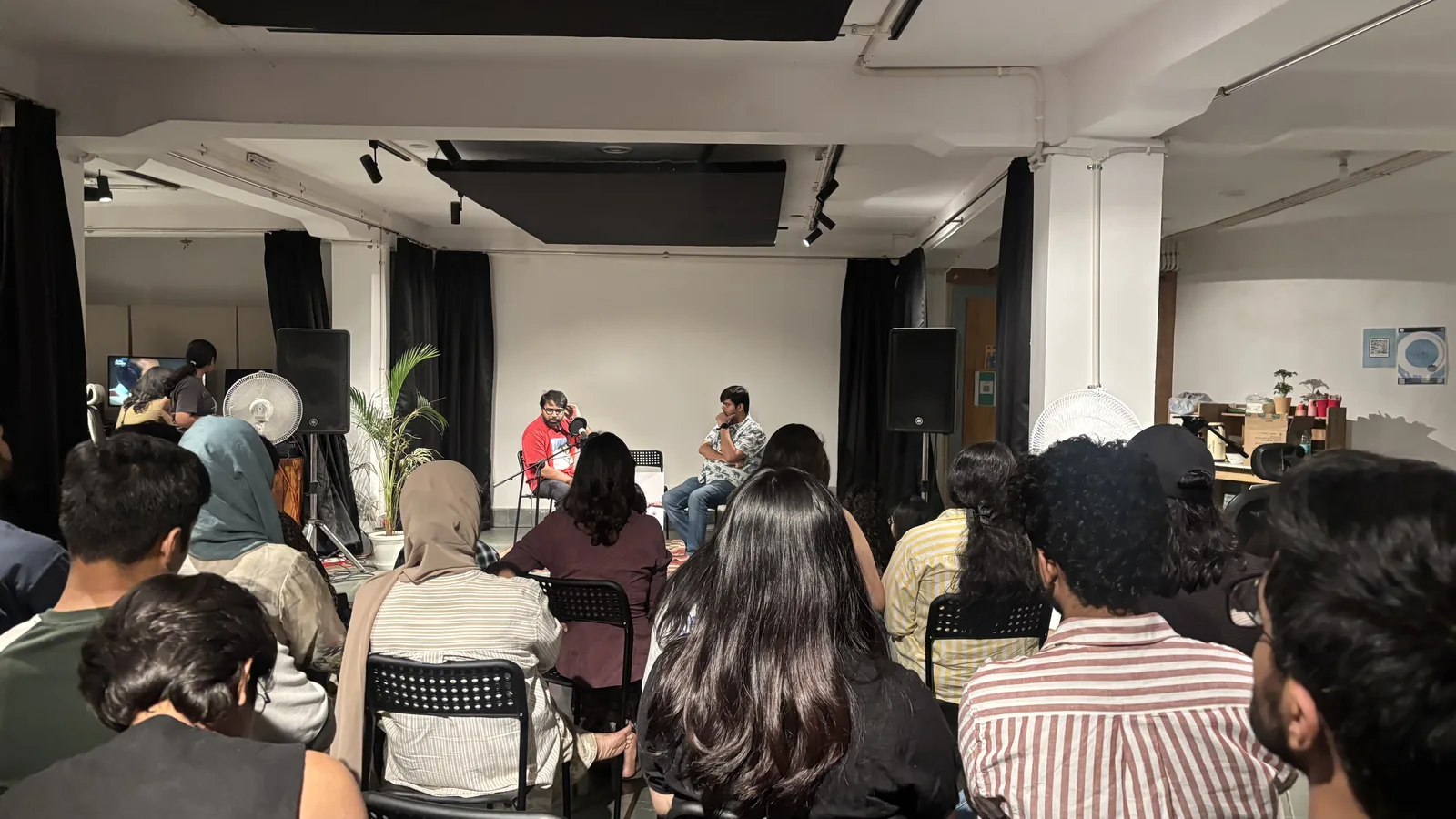
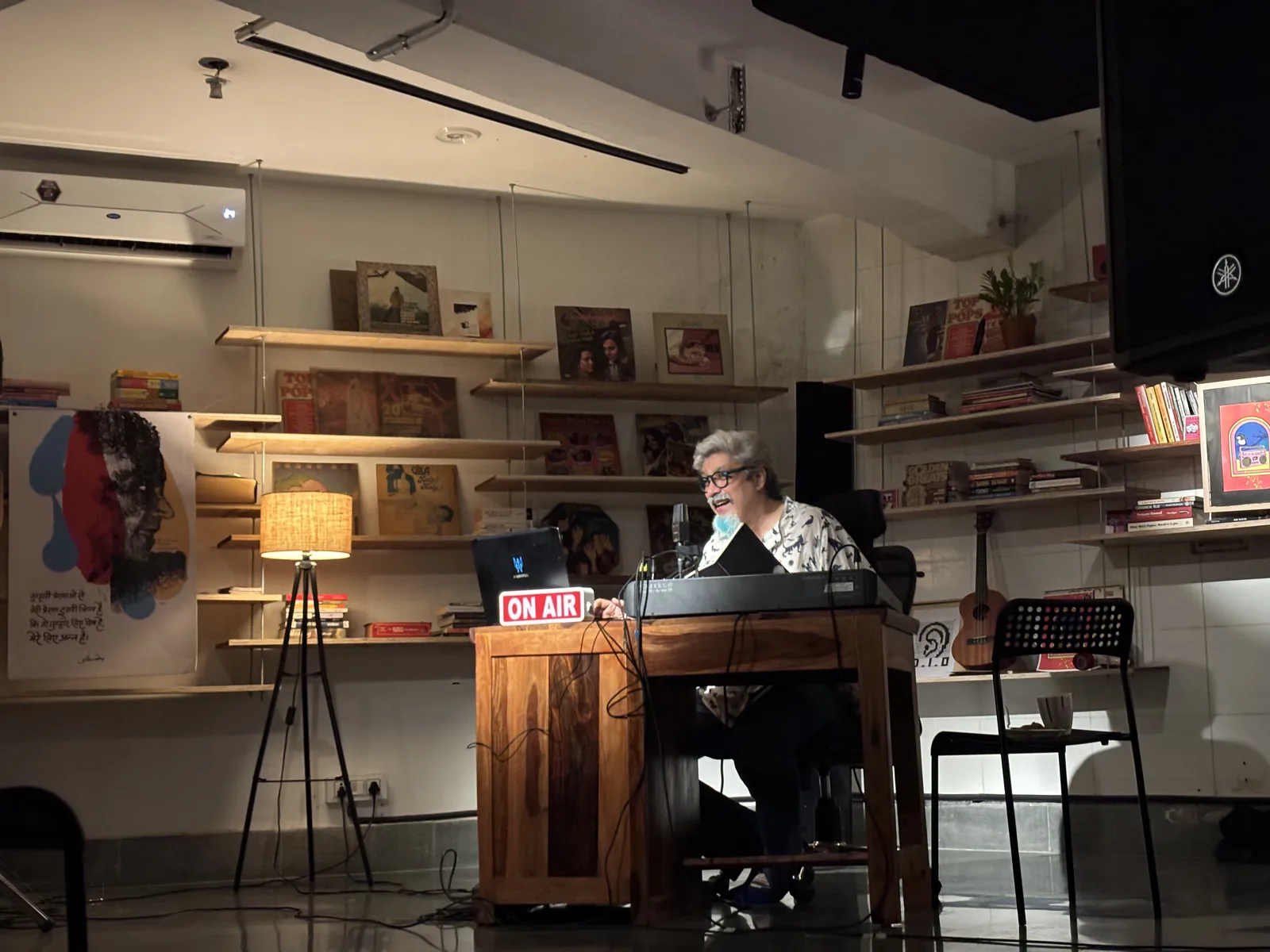
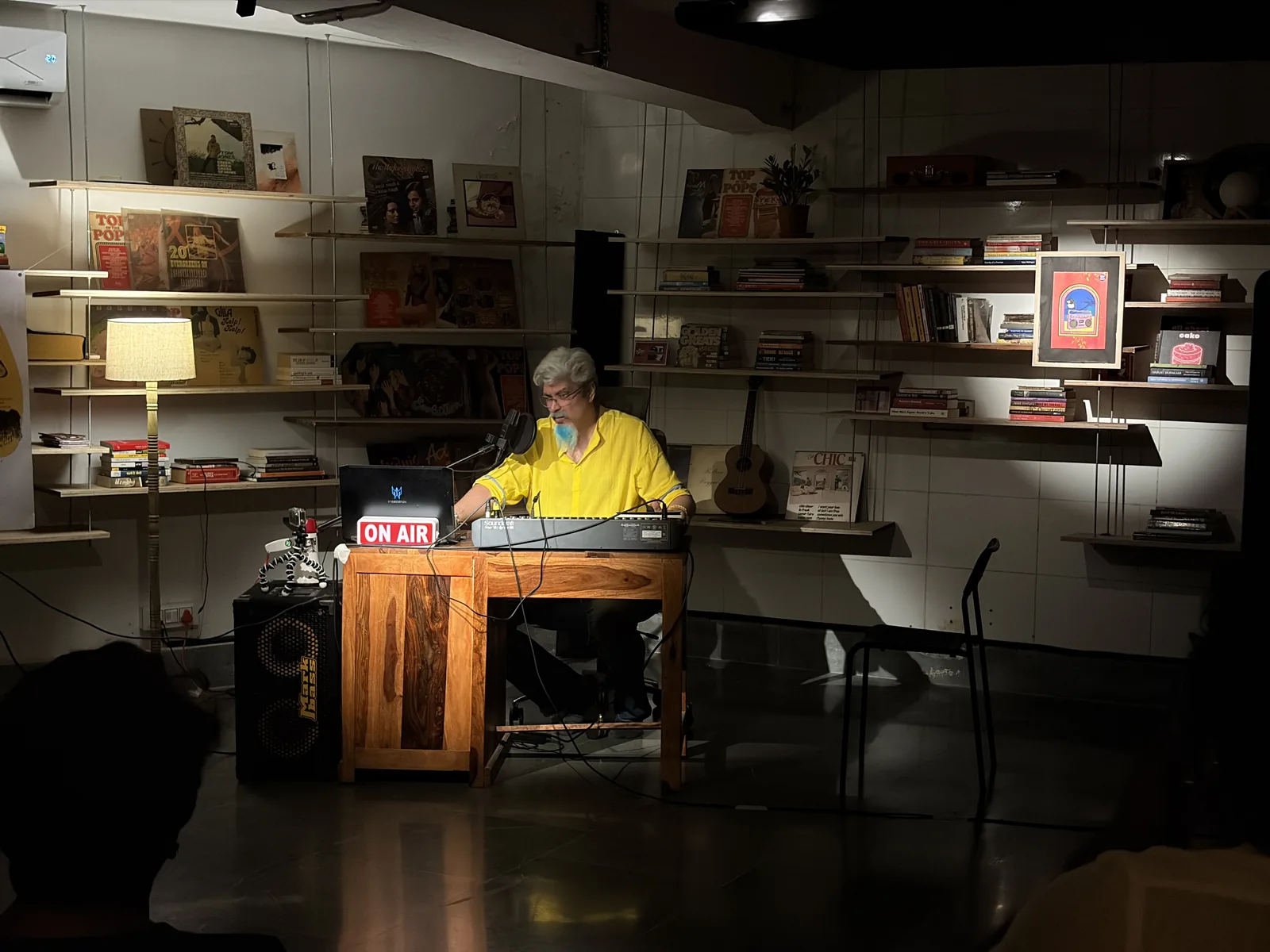
W.I.P aDDa, the space
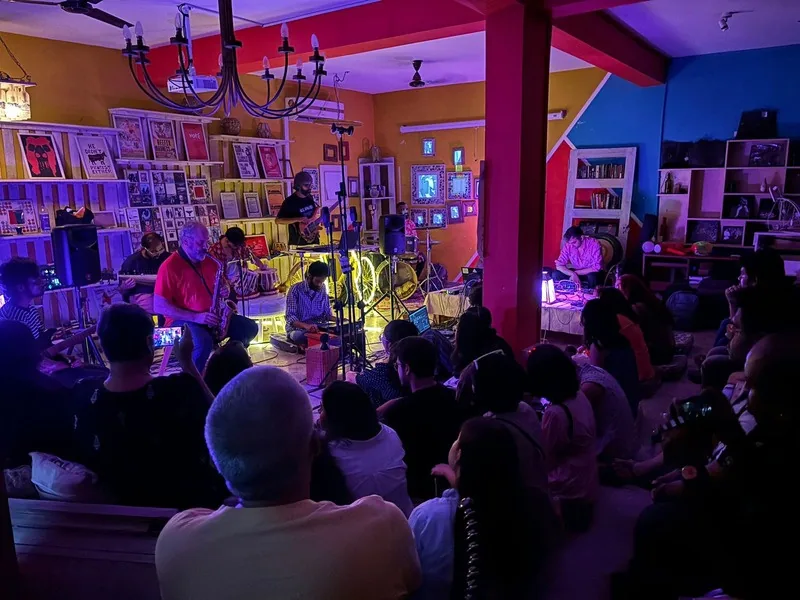
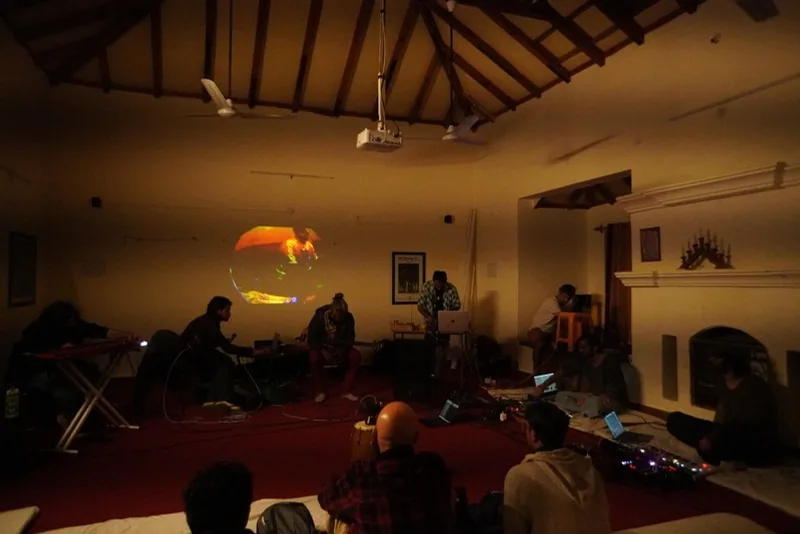
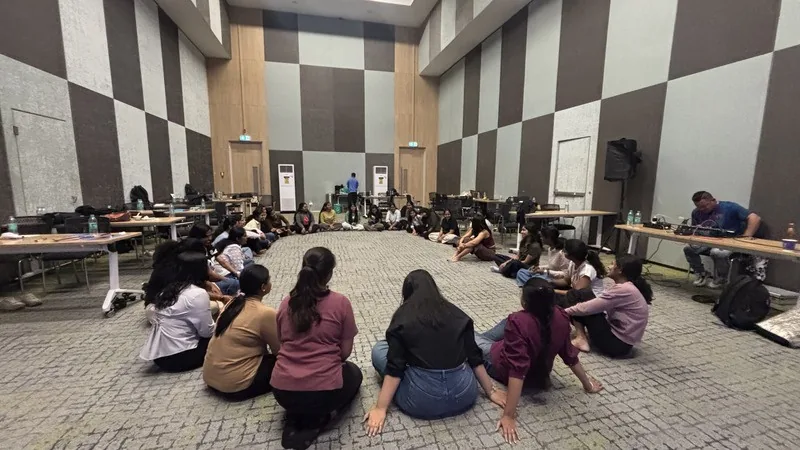
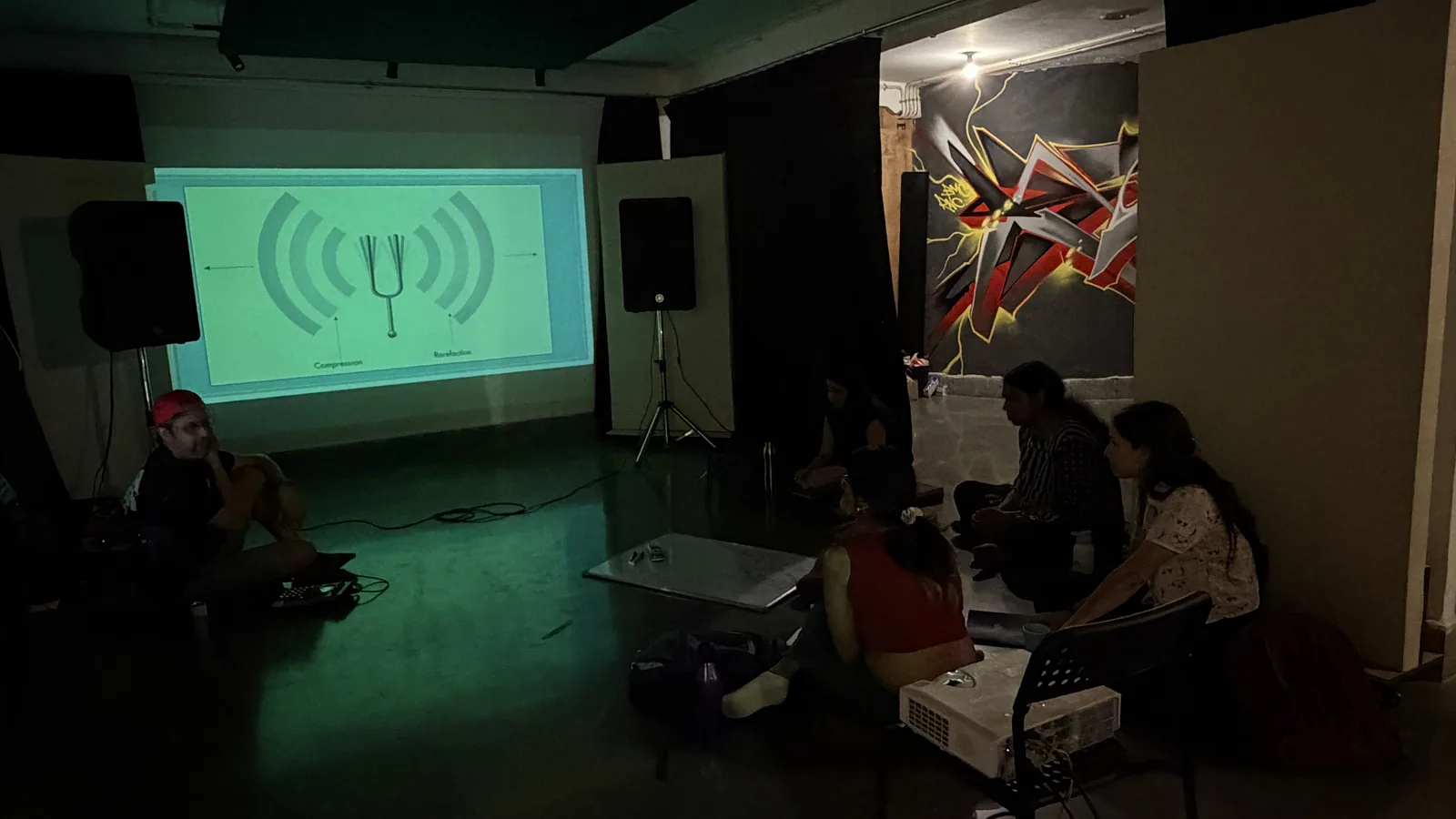
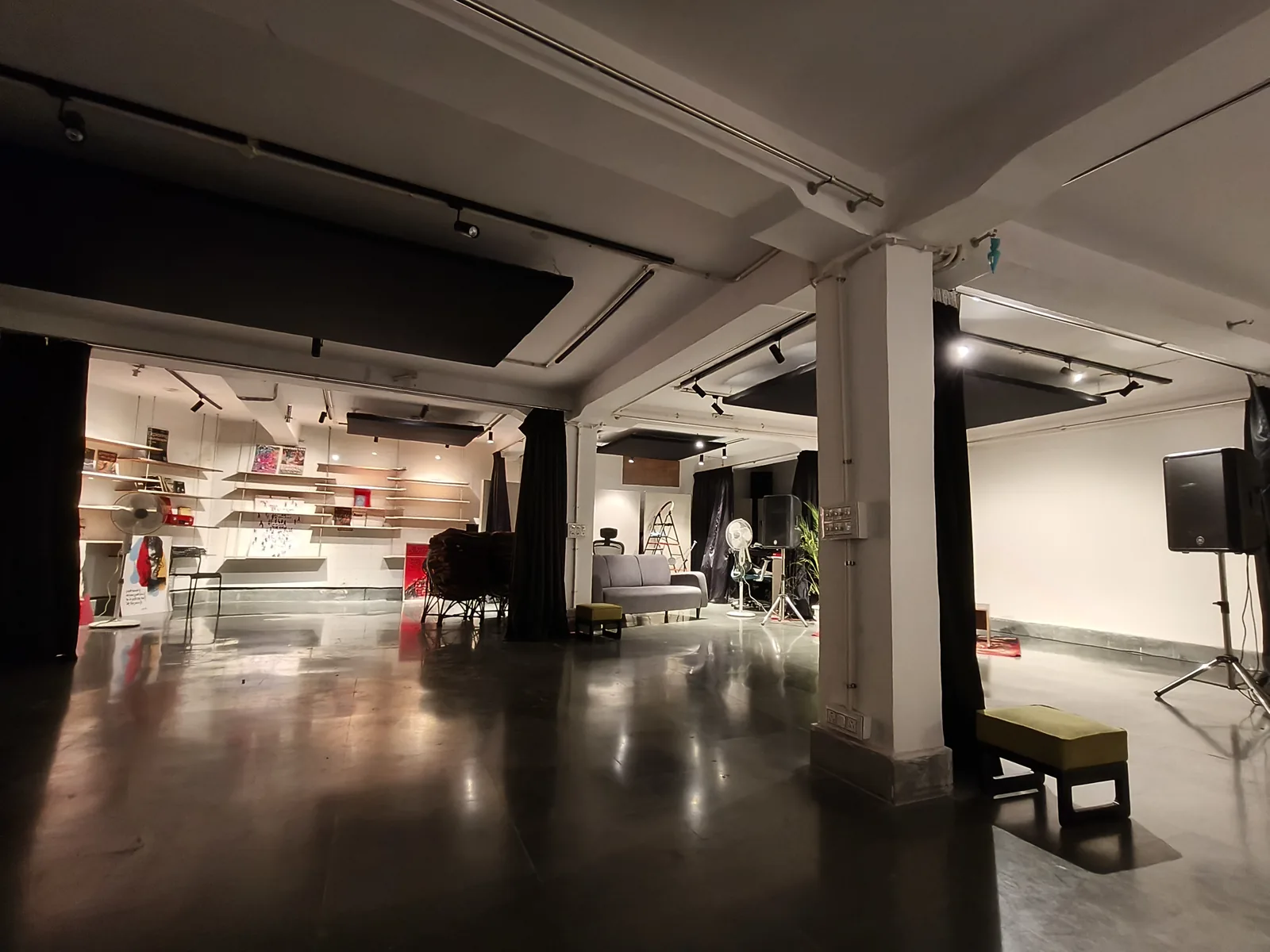
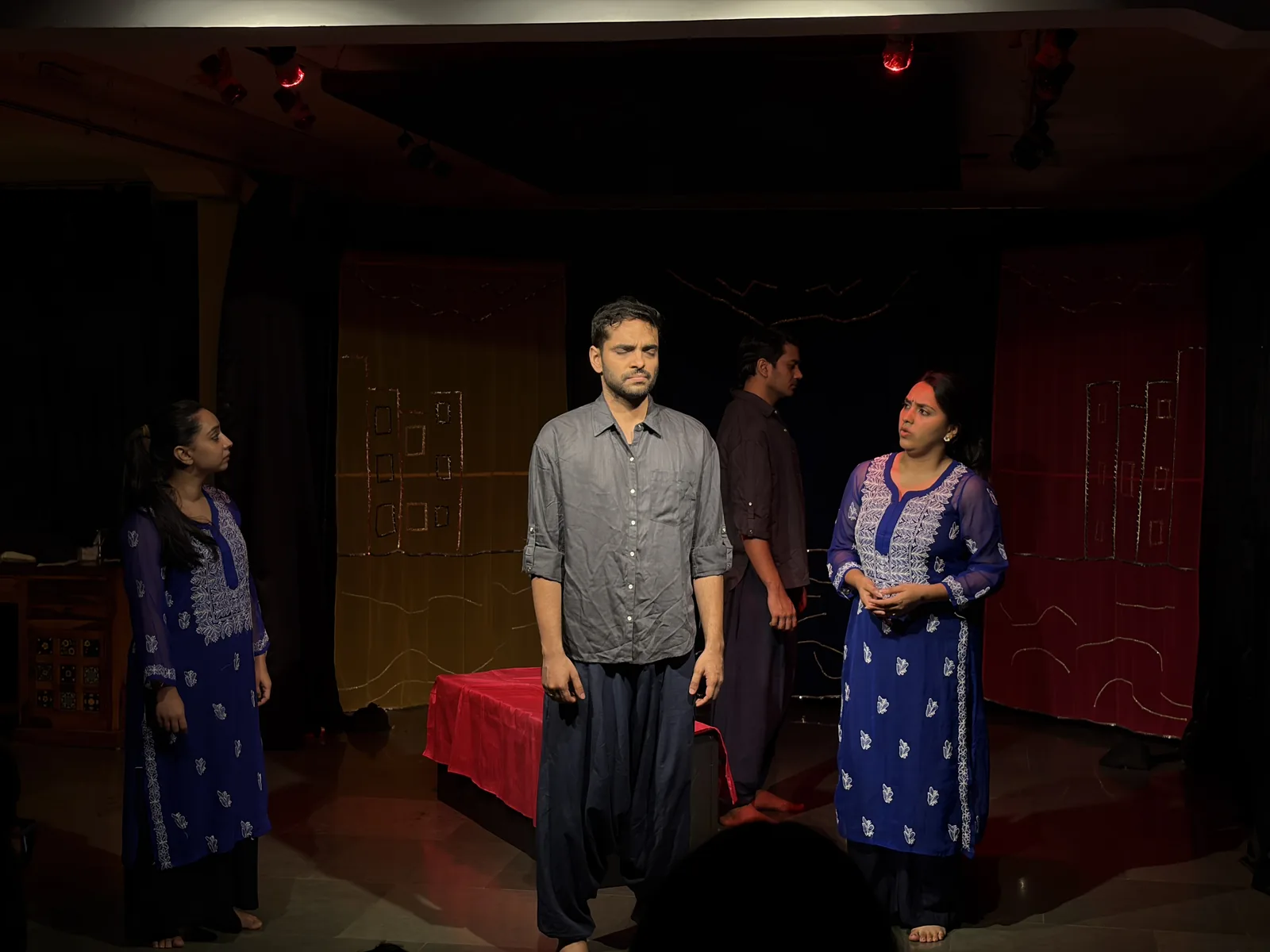
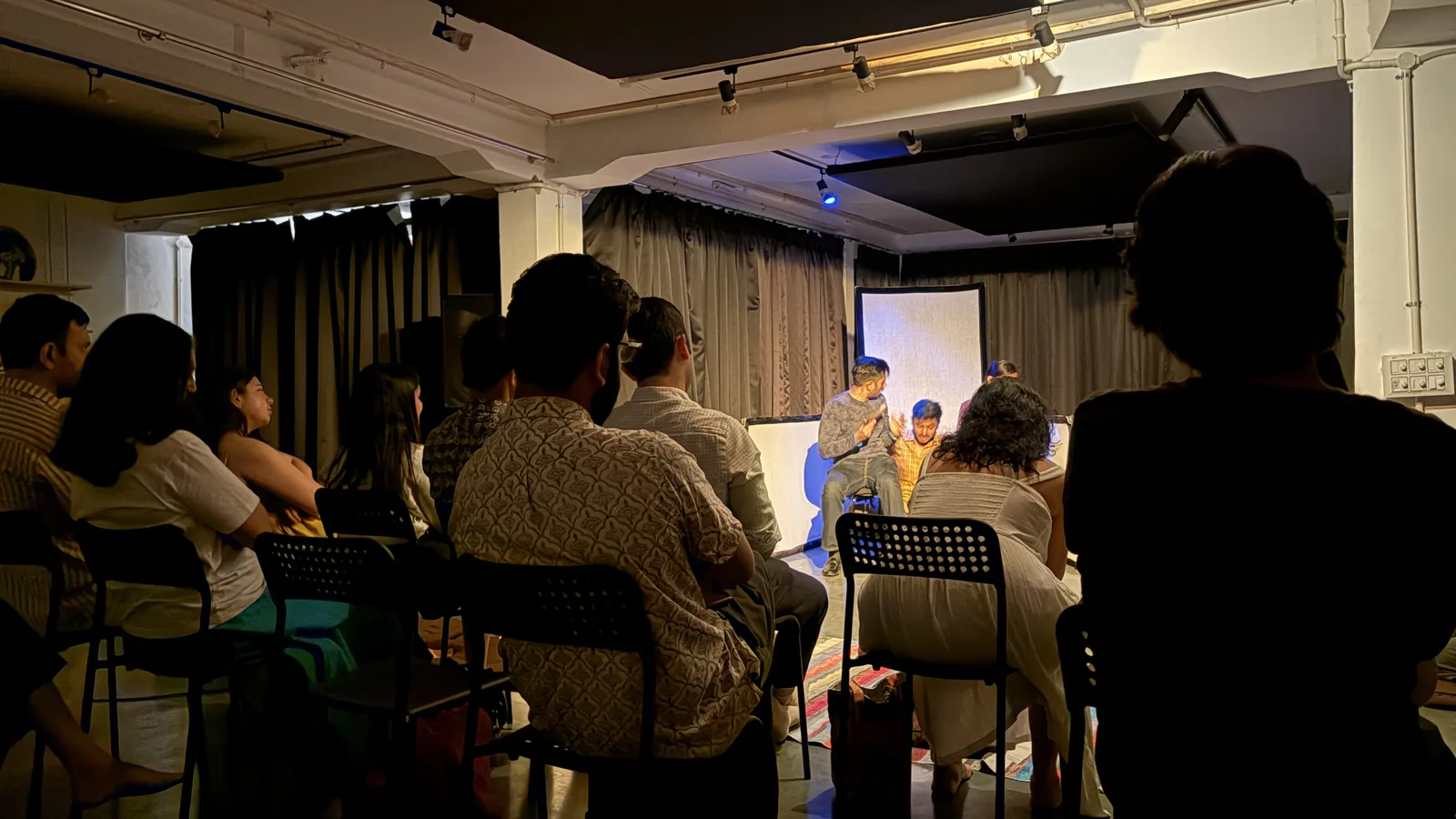
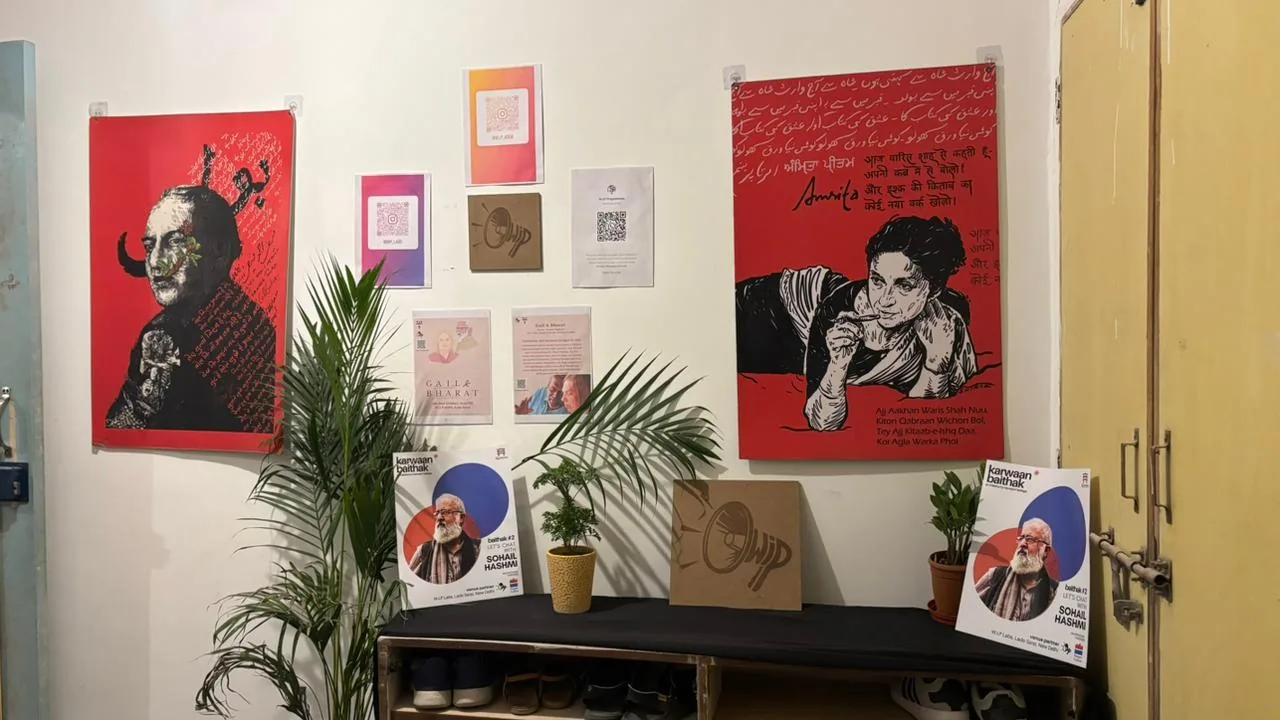
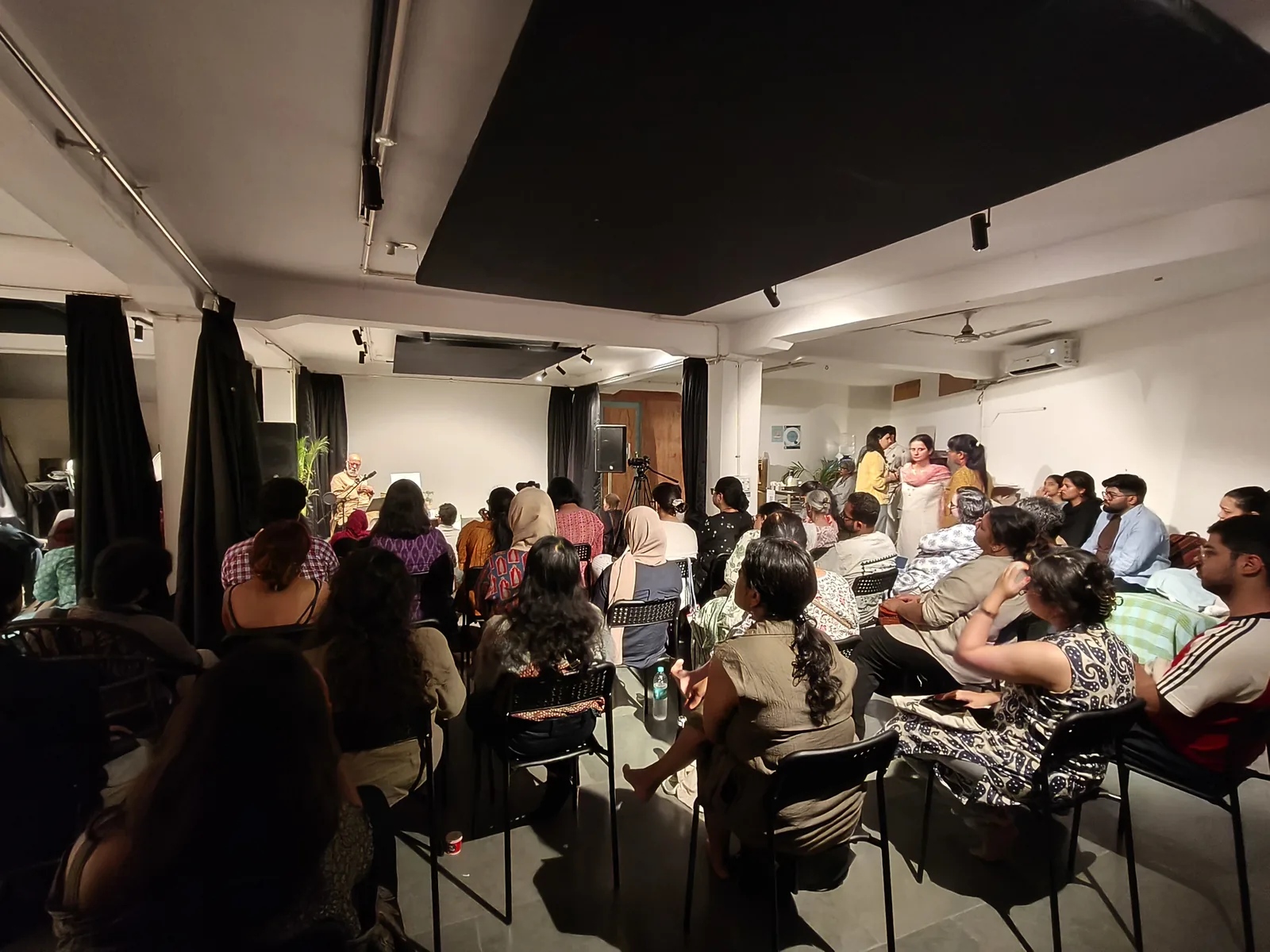
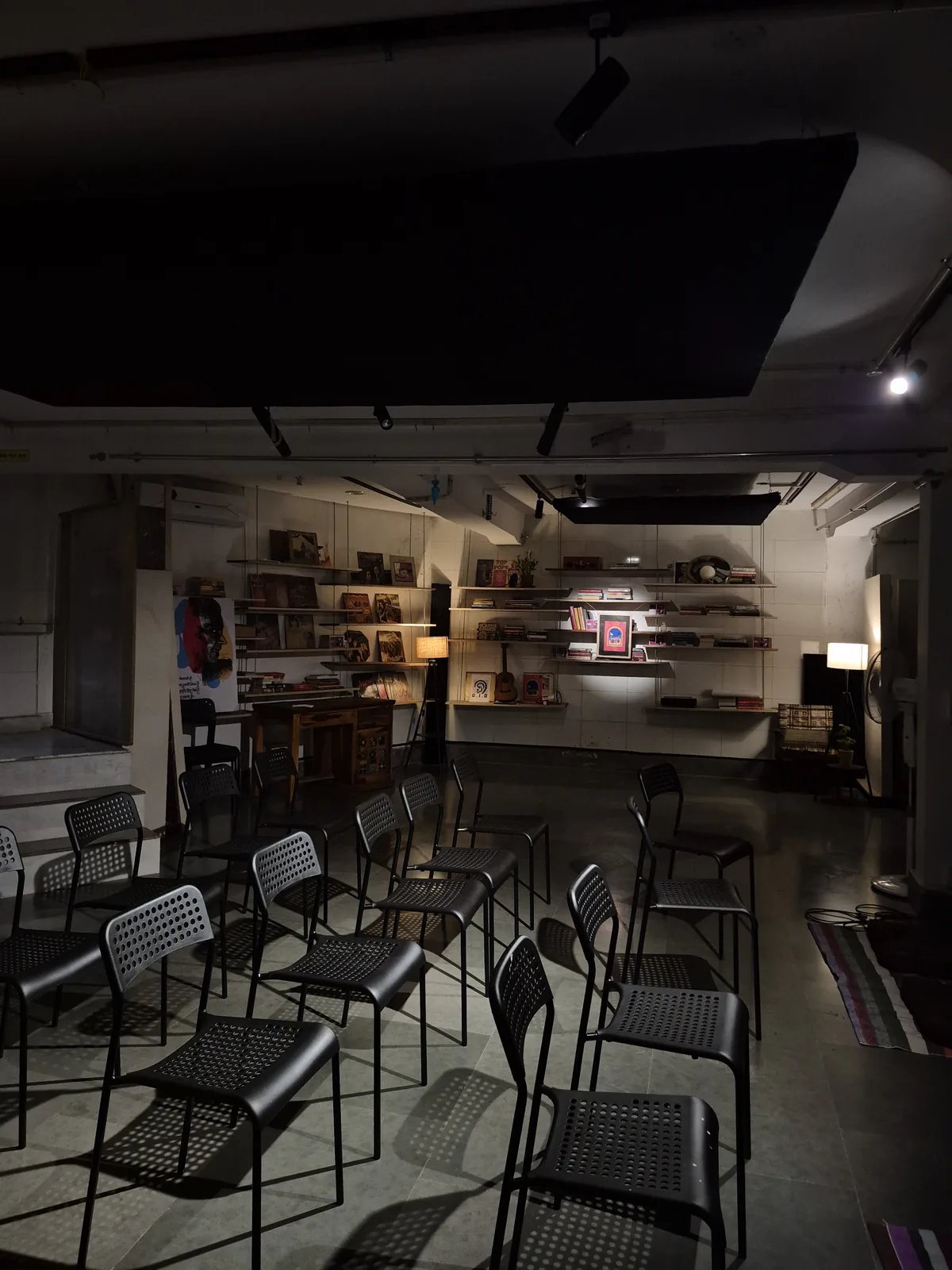
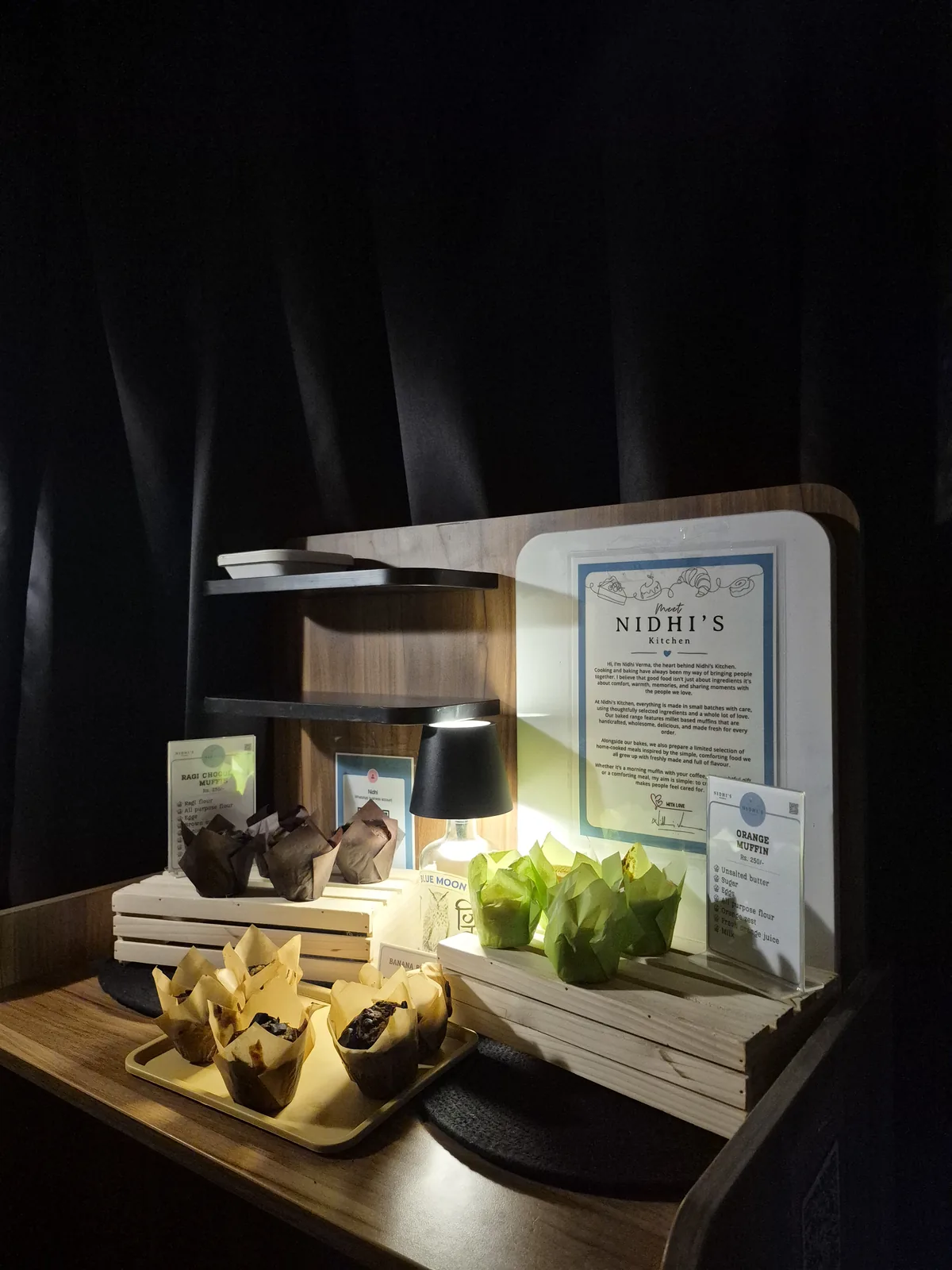
An independent alternative performing arts space in Lado Sarai, South Delhi, co-founded by Anirban Ghosh and Kirti Sharma with Vaibhav Batra. It takes its name from the Bengali idea of adda: conversation, proximity and community held above the purely transactional use of a room. It hosts performances, workshops, film screenings, rehearsals, residencies and gatherings, alongside a co-working programme giving daily desk space to artists working in sound, writing, theatre, film and research, who work inside a live venue with shows happening around them by design rather than by accident. The model is deliberately artist-first: tiered hire with revenue share, a subsidised access programme for artists without funding, and membership tiers for co-workers, built so that using the space needs neither institutional backing nor curatorial approval. A structured internship programme runs alongside it, across production, education, corporate training, design and research.
What a university gets from this
A complete teaching team, an international mentor and advisory network, a pedagogy already tested across several Indian institutions, and the production capacity to run residencies, public programmes and a festival on your campus. Not a visiting lecturer with a slide deck.
What is coming next
PROTOTYPE, an alt.Tech festival for avant-garde and critical art at the intersection of art and technology. The second edition of W.I.P alt.FEST in 2026 and 2027, expanding beyond Delhi. The next Listening Otherwise in May and June 2026. The Swara Mountain Arts Festival, which we are currently curating, bringing music, performance and the landscape together. And the continuing PORTALS collaboration with cultural institutions.
Track record
Where the work has happened.
Universities we are working with now
Active programmes, departments and courses in the current academic year.
-
 UID, Karnavati University
-
 IIAD New Delhi
-
 CEPT University
-
 Ashoka University
-
 IIM Ahmedabad
Universities where we have taught
Past courses, visiting faculty engagements and workshops.
-
 Anant National University
-
 Shiv Nadar University
-
 O.P. Jindal Global
-
 Universitas Pendidikan Indonesia
Cultural institutes, embassies and funders
Partners we programme, perform and collaborate with.
-
 Goethe-Institut
-
 British Council
-
 Instituto Cervantes
-
 Alliance Française
-
 American Center
-
 Embassy of Ireland
-
 Pro Helvetia
Organisations and collectives we make work with
Companies, collectives and partners we make, teach and programme with.
-
 Katkatha
-
 Algorave India
-
 Dilli Improvisers Orchestra
-
 Dastaan LIVE
-
 Soumik Datta Arts
-
 Nachom Arts Foundation
-
 Citizens of Stage Co Lab
-
 Jangama Collective
-
 Adavi Arts Collective
-
 Aagaaz Theatre Trust
-
 Aravani Art Project
-
 Khabar Lahariya
-
 ODDBird Foundation
-
 Curiouswala Studio
-
 Himalayan Academy of Music Technology
-
 SACAC
-
 Swechha
-
 The Trialogue Co.
-
 The Community Library Project
Where our work has been shown in India
Festivals, museums, cultural centres and independent venues.
-
 Kochi-Muziris Biennale
-
 Mesh Festival
-
 Nita Mukesh Ambani Cultural Centre
-
 Kiran Nadar Museum of Art
-
 India Habitat Centre
-
 ITFOK Kerala
-
 Jaipur Literature Festival
-
 Bangalore International Centre
-
 Kolkata Centre for Creativity
-
 Kanoria Centre for Arts
-
 Triveni Kala Sangam
-
 Shri Ram Centre
-
 Indian Music Experience Museum
-
 Shoonya
-
 Black Box Okhla
-
 Bangalore Creative Circus
-
 Courtyard Koota
-
 Studio Safdar
-
 Kunzum Books
Where our work has been shown internationally
Festivals and stages that have hosted W.I.P Labs work and the practitioners in this network.
-
 Edinburgh Fringe
-
 Venice Architecture Biennale
-
 Singapore Arts Festival
-
 Kampnagel Hamburg
-
 LABOR Berlin
-
 WORM Rotterdam
-
 Sadler’s Wells
-
 Tanz im August
-
 Kyoto Experiment
Addressing key concerns
What faculty usually ask first.
Our students already have too much on their plate.
We work with faculty to identify where a CAE programme substitutes for an existing elective or studio course that is underperforming. We propose substitutions that increase overall value rather than additions to a packed curriculum.
How does this connect to their core discipline?
We make the connections explicit by design. A sound module for interaction designers addresses notification sounds and ambient interfaces directly. A generative arts course for communication designers uses the same computational tools they will use professionally. A listening module for management students is about attention, which is the scarcest resource they will manage.
What is different from bringing in a visiting practitioner?
A visiting practitioner is an input, a download of expertise. An embedded studio programme is a formation: a sustained environment in which students develop their own practice. CAE does both, running the programme and bringing practitioners into it as a structural element rather than a guest slot.
Does this align with NEP 2020?
Directly. NEP 2020 calls for interdisciplinary learning, flexibility across disciplines and the integration of arts into professional education. CAE programmes are structured to satisfy those requirements while remaining rigorous studio experiences rather than checkbox exercises.
Do students need prior technical or performance training?
No. Almost every course in the menu is explicitly designed for students arriving with no background in the form. The CEPT and IIAD work on this page was made by students who had not written code or built an installation before the studio began.
What do you need from us to run it?
Protected studio time, a room that can be darkened, and a faculty contact who can clear logistics. Everything else, including what a working sound or media lab needs and how to run it afterwards, is part of the conversation.
Next step
We do not arrive with a fixed proposal. We arrive with a conversation.
A thirty-minute call with the relevant department head or faculty lead is usually enough to identify which mode of engagement makes sense, which courses would land best, and what a first semester could look like. Most of our partnerships began as a single module or intensive before growing into something sustained.
Typical starting points: launch CAE In Practice with two or three practitioners in the first semester, the lightest possible start; run one credit-bearing studio course in the discipline most relevant to your students; or do both at once, which is the combination we would recommend.
- ProgrammeCreative Arts Exploration, W.I.P Labs
- Founder and Artistic DirectorAnirban Ghosh (Baan G) · anirbanghosh.in
- Founding and Managing Partner, and Executive DirectorKirti Sharma · +91 73887 28268
- Emaillearn@wipcollective.in · info@wipcollective.in
- StudioW.I.P Labs, Lado Sarai, New Delhi
- Onlinewipcollective.in